3 Million Epstein Records Released: Millions of Pages, Powerful Names, and Lingering Secrets

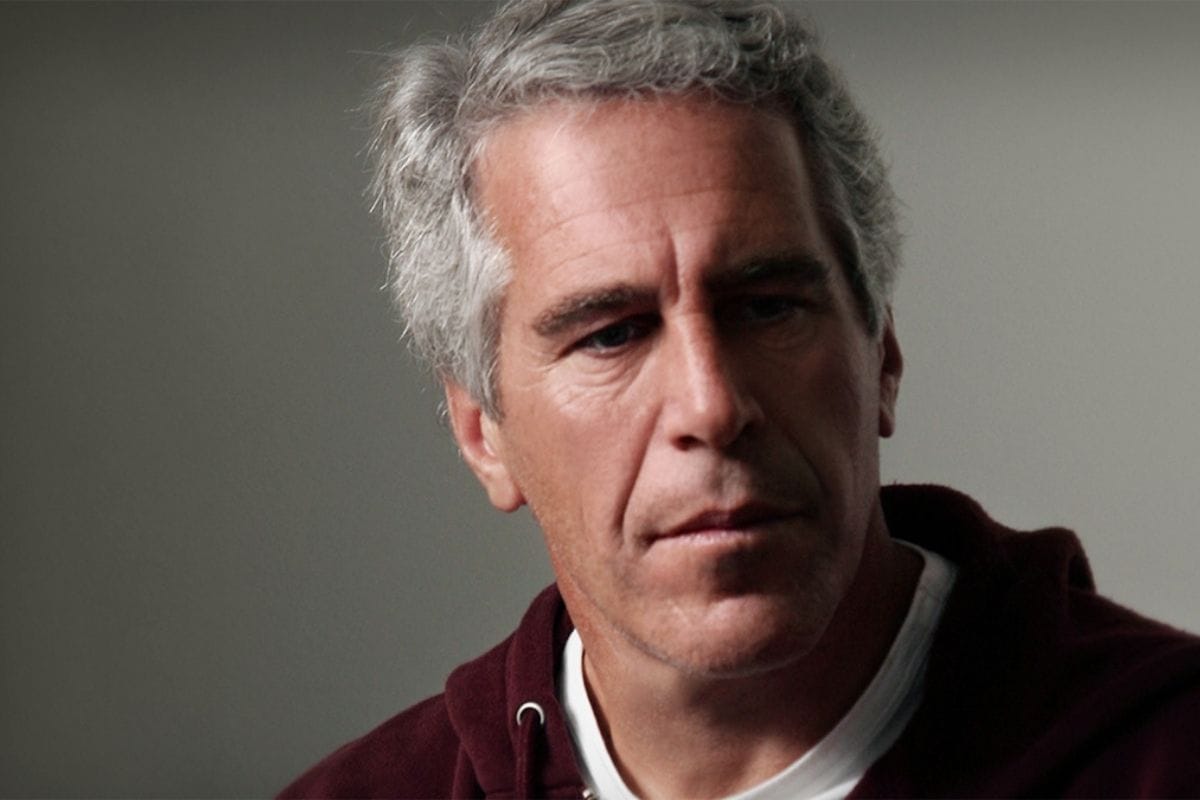
After years of public pressure, unanswered questions, and widespread suspicion, the U.S. government has released the largest collection of documents ever tied to Jeffrey Epstein, and the sheer scale alone is staggering.
On Friday, the Department of Justice made public more than 3 million pages of records, along with 180,000 images and nearly 2,000 videos, related to the disgraced financier and convicted sex offender. It’s the biggest disclosure since Congress passed a law last year forcing the government to open its Epstein files.
The release comes six weeks after the Justice Department missed a legal deadline to publish the documents, a delay that only deepened public mistrust. Officials say the process is now complete, but many lawmakers and observers remain skeptical.
So what’s actually in these files? And do they finally answer the questions people have been asking since Epstein died in jail in 2019?
A massive release — but not necessarily full closure
Deputy Attorney General Todd Blanche said the newly released material marks the end of an “extremely thorough review process” designed to balance transparency with victim protection. Hundreds of staff members spent months combing through the files, according to the Justice Department.
Still, the release doesn’t necessarily bring the kind of closure many were hoping for.
Large portions of the documents are heavily redacted. While the law allows redactions to protect victims or ongoing investigations, critics argue that too much information remains hidden. Some Democrats estimate that millions of pages may still be withheld, raising concerns that key details about Epstein’s network remain out of reach.
The files paint a wide-ranging picture of Epstein’s life over many years, including his time in prison, psychological assessments, investigative notes, and extensive email correspondence.
Many of the documents date back more than a decade, offering insight into Epstein’s relationships with wealthy, powerful, and well-connected individuals even after his 2008 conviction for soliciting sex from a minor.
Among the most closely examined materials are emails showing Epstein’s continued access to elite social circles while under legal scrutiny, something that has long troubled critics of the justice system.
Emails involving British royalty raise eyebrows
One of the most talked-about revelations involves emails exchanged between Epstein and a person referred to as “The Duke,” believed to be Prince Andrew.
The messages discuss potential meetings at Buckingham Palace and include an offer by Epstein to introduce the Duke to a young Russian woman. The emails are signed with initials and a signature appearing to match Prince Andrew’s former title.
There is no evidence of wrongdoing in the emails themselves. However, the correspondence adds to longstanding scrutiny over Prince Andrew’s past friendship with Epstein, a relationship the prince has repeatedly acknowledged but says he regrets.
The files also contain messages believed to be from Sarah Ferguson, Prince Andrew’s former wife, praising Epstein and discussing business ideas while Epstein was under house arrest.
Other documents show Epstein sending money to individuals connected to British political circles. One email chain reveals a £10,000 transfer to the husband of Lord Peter Mandelson in 2009, while Epstein was serving a prison sentence.
Mandelson, who later became the UK’s ambassador to the United States, has said he deeply regrets his association with Epstein and insists he never witnessed criminal behavior.
These financial exchanges don’t allege crimes but they underscore how Epstein maintained influence and access even after his conviction.
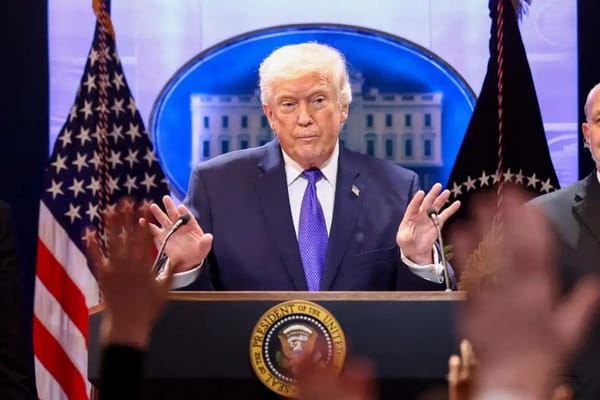
Donald Trump appears hundreds of times — with key context
Former President Donald Trump is mentioned hundreds of times across the newly released files. The references include unverified tips submitted to the FBI, many of which lack evidence and were flagged internally as unreliable.
The Justice Department made a rare and unusually direct statement addressing these claims, saying that allegations against Trump contained in the files are “untrue, unfounded, and false.” Officials emphasized that if any credible evidence existed, it would have already been used against him.
Trump has long acknowledged knowing Epstein socially but says their relationship ended years before Epstein’s arrest. No Epstein victim has accused Trump of wrongdoing.
Elon Musk, Bill Gates, and disputed claims
The files also include emails between Epstein and Elon Musk, discussing potential travel and social events. While Musk appears to have considered visiting Epstein’s island, there is no evidence he ever did so.
Separately, documents contain crude, unsent drafts written by Epstein about Bill Gates including false claims about sexual behavior. Gates’ spokesperson flatly rejected the allegations, calling them “absurd” and “completely false,” and accusing Epstein of attempting to smear him after their relationship ended.
Are there still missing files?
That’s the question many are now asking.
While the Justice Department insists its review is complete, lawmakers behind the transparency law say the numbers don’t add up. Officials previously acknowledged identifying more than six million relevant pages, yet only about half were released.
Some lawmakers worry that key documents remain sealed, fueling conspiracy theories that powerful figures are being shielded.
Blanche admitted that the release may disappoint those expecting a list of perpetrators. According to the Justice Department, the files do not contain verified names of men who abused Epstein’s victims, and officials insist that anyone with prosecutable evidence would already have faced charges.
Why the Epstein story still refuses to end
For many Americans, Epstein represents something larger than one criminal case. His wealth, influence, light sentencing in 2008, and death in federal custody have become symbols of a system that appears to protect the powerful.
This document release offers more transparency than ever before, but not the smoking gun some hoped for.
Instead, it leaves the public with a clearer view of Epstein’s world, along with lingering doubts about what remains unseen. Whether this chapter is truly closed may depend less on what was released and more on what still isn’t.