After Iran Strikes, US and Israel Face Uncertain Path Forward
After US-Israel strikes on Iran, regional tensions surge as leaders weigh retaliation, diplomacy and the risk of wider war.
The strikes are over for now.
But what follows may matter more than the explosions that lit up the sky.
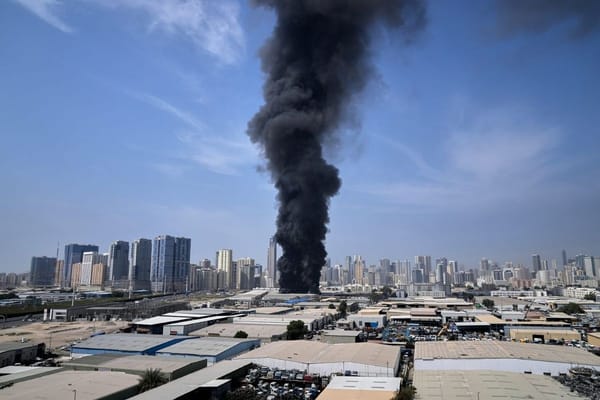
After days of escalating confrontation between Iran, the United States and Israel, the region now finds itself suspended in uncertainty. Military targets were hit. Senior Iranian leadership was shaken. Washington and Jerusalem described their actions as necessary. Tehran called it aggression.
And now, the question hanging over the Middle East is simple: what happens next?
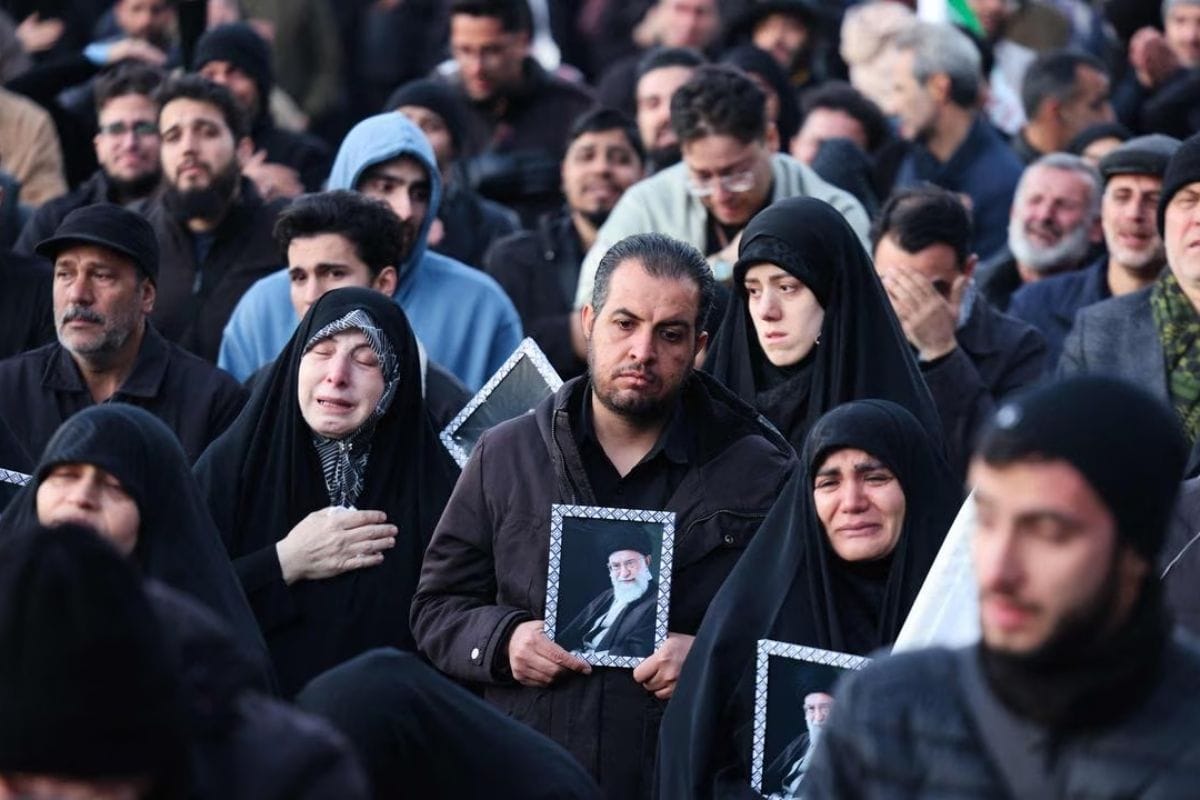
For governments, this is a strategy. For families across the region, it is anxiety.
A Region Wakes to a Different Reality
In Tehran, the mood feels tense and guarded.
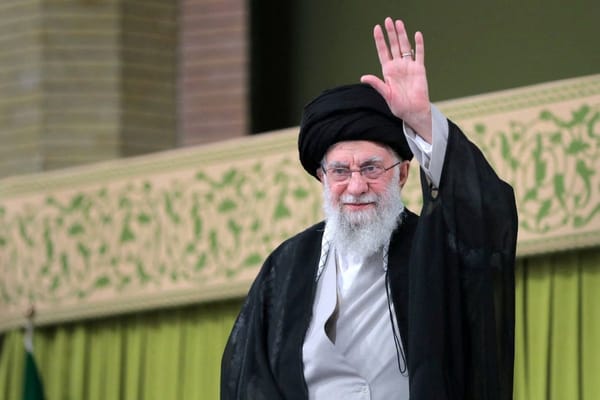
Security forces have tightened their presence. Official statements from Iranian leadership project resilience and unity. State media emphasizes sovereignty and resistance.
But behind those public messages lies a deeper uncertainty. When high-level strikes hit command infrastructure and potentially senior figures, it alters the balance of power inside a system that has long depended on centralized authority.
Ordinary citizens are watching closely. Some fear further escalation. Others worry about economic fallout, sanctions and isolation.
Across the region, from Beirut to Baghdad, allied militias and proxy groups are recalculating. Will Tehran push for retaliation? Or will it absorb the blow and wait?
The answers are not immediate.
Washington Signals Strength and Caution
In Washington, officials describe the strikes as deliberate and measured. The message is that the United States acted to deter further aggression and protect its forces and allies.
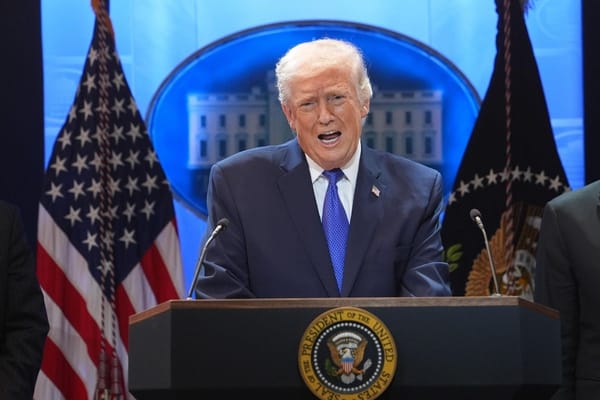
President Donald Trump has struck a firm tone, emphasizing readiness while stopping short of declaring broader war aims.
Behind the scenes, military planners are preparing for multiple scenarios. US bases across the region have heightened defenses. Naval assets remain positioned strategically.
At the same time, diplomatic channels remain open.
American officials understand that while a show of strength may restore deterrence, unchecked escalation carries enormous risks both militarily and politically.
The White House must balance resolve with restraint.
Israel’s Calculated Gamble
For Israel, the stakes are intensely personal and strategic.
Iran’s regional influence through armed groups in Lebanon, Syria and beyond has long been viewed by Israeli leaders as a direct threat. By participating in coordinated strikes, Israel signaled that it is willing to act preemptively when it perceives danger.
But Israeli officials also understand that retaliation could come in unpredictable forms: missile fire, cyberattacks or proxy operations. Air defense systems remain on high alert. Citizens follow updates closely. Military reservists stand ready.
The gamble is clear: strike hard enough to disrupt threats, but not so hard that it triggers a wider war.
Oil, Markets and Global Diplomacy React
Beyond the battlefield, the economic tremors are already visible.
Oil prices spiked as traders assessed the risk of prolonged instability. Shipping routes through strategic waterways face renewed scrutiny. Airlines adjusted flight paths.
Global markets showed volatility. Investors dislike uncertainty, and this moment is full of it.
Diplomats from Europe, Asia and the Gulf states are pushing urgently for de-escalation. Emergency consultations at the United Nations reflect concern that a miscalculation could spiral quickly.
China and Russia are watching carefully. Both maintain complex relationships with Tehran and Washington. Neither benefits from a wider regional war — but both will seek strategic advantage in any shifting power balance.
This is not a localized confrontation. It carries global implications.
Iran’s Next Move Could Define the Future
Perhaps the most critical variable now lies in Tehran.
Iran has historically shown patience in response to high-profile strikes. It has often chosen indirect retaliation over immediate escalation.
If senior leadership has been seriously impacted, internal dynamics may shape the response. Hardliners may push for visible retaliation to restore credibility. Pragmatists may urge caution to avoid overwhelming counterstrikes.
The succession process, if required, adds another layer of complexity. Leadership transitions in moments of crisis can either stabilize or fracture internal consensus.
For ordinary Iranians, daily life may grow more uncertain. Economic pressure could intensify. Communication restrictions may increase.
For the region, everything hinges on whether retaliation becomes inevitable — or avoidable.
A Fragile Pause
The skies are quieter than they were during the strikes. But quiet does not mean calm. Military assets remain deployed. Intelligence agencies monitor signals closely. Leaders weigh public statements carefully.
History shows that moments like this can cool unexpectedly or ignite without warning. The United States, Israel and Iran each believe they are acting defensively. Each believes deterrence requires clarity and strength.
Yet deterrence is delicate. One misinterpreted move, one unintended strike, can shift events rapidly. For now, the world watches.
The confrontation has entered a new phase not defined by explosions, but by calculation.
In capitals across the globe, officials ask the same question: will this moment close with cautious diplomacy, or open into a longer, more dangerous chapter?
No one can answer that yet. But the stakes have rarely felt higher.