After Maduro’s Arrest, Zelensky Challenges U.S. to Go After Putin
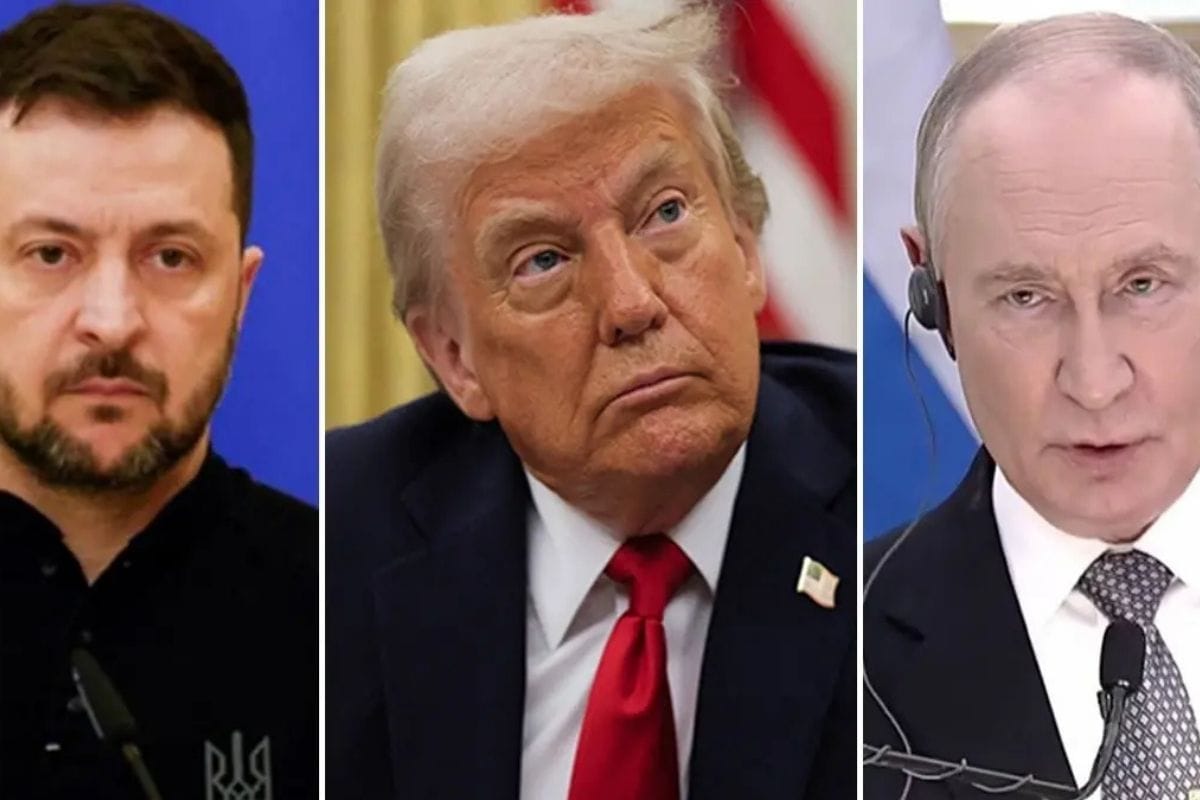
The capture of Venezuelan leader Nicolás Maduro by U.S. forces has sent shockwaves far beyond South America. Now, Ukrainian President Volodymyr Zelensky is openly asking whether the same approach could and should be used against Russian President Vladimir Putin.
Speaking to reporters after meeting with European national security advisers on Saturday, Zelensky reacted bluntly to news that U.S. forces had carried out overnight strikes in Venezuela, leading to Maduro’s arrest and transfer to the United States. His comments reflected both frustration and a sense of grim irony, as Ukraine continues to endure Russia’s invasion nearly three years after it began.
“How should I react to this? What can I say?” Zelensky asked. “If it’s possible to deal with dictators this way, then the United States knows what to do next.”
Though Zelensky stopped short of directly demanding action, the implication was unmistakable. He suggested that if Washington is willing to use military force to remove one authoritarian leader, it should seriously consider doing the same to another, particularly one responsible for ongoing destruction and civilian suffering in Europe.
A World Reacts to Maduro’s Arrest
Maduro’s capture followed a dramatic U.S.-led operation that reportedly included airstrikes on military installations around Caracas. The strikes, which began in the early hours of Saturday morning, were followed by the arrest of Maduro and his wife, Cilia Flores, at their residence. Both were later flown to New York, where they now face federal narco-terrorism charges.
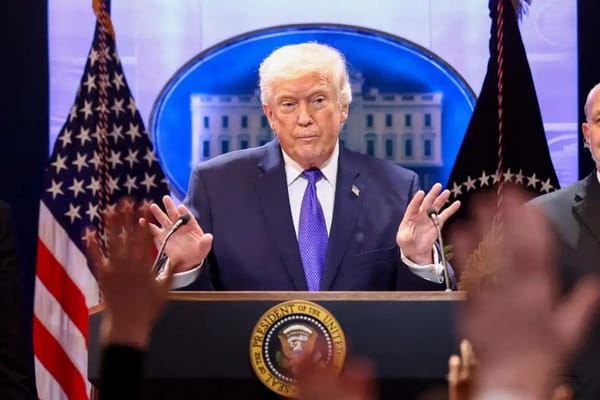
President Trump praised the operation as a success, calling it “brilliant” and emphasizing that it was coordinated with U.S. law enforcement. He said Maduro would face “the full wrath of American justice.”
The announcement stunned the international community. While some countries quietly welcomed the removal of a long-standing authoritarian figure, others reacted with alarm, warning that the operation could set a dangerous precedent.
Russia was among the most vocal critics.
Moscow Pushes Back, Defends Maduro
Within hours of confirmation that Maduro and Flores were in U.S. custody, Russia’s Foreign Ministry issued a sharp statement demanding their immediate release.
“In view of the confirmed reports about Venezuelan President Nicolás Maduro and his spouse being in the United States, we strongly urge the U.S. leadership to reconsider their position,” the ministry said. “They must release the legitimately elected president of a sovereign country and his spouse.”
The statement emphasized the need for dialogue rather than force and warned that the operation could further destabilize global relations. Russia’s reaction was unsurprising, given its long-standing alliance with Venezuela and its own strained relationship with Washington.
For Zelensky, however, Russia’s defense of Maduro only reinforced his point.
Ukraine’s War and a Frustrated Leader
Ukraine has been fighting for survival since Russia launched its full-scale invasion nearly three years ago. Despite billions in aid, international sanctions, and widespread condemnation of Moscow, Putin remains firmly in power.
Zelensky has repeatedly called on the global community to take stronger action, arguing that diplomatic pressure alone has failed to stop Russia’s aggression. The sight of another authoritarian leader being forcibly removed has reignited questions about whether the international community applies its principles consistently.
“If it’s possible to deal with dictators this way,” Zelensky said, “then the U.S. knows what to do next.”
His words reflected more than political calculation they conveyed exhaustion. Ukraine’s cities continue to face missile attacks, thousands of civilians have been killed, and millions have been displaced. For many Ukrainians, justice feels slow and incomplete.
Trump’s Message: Justice or Escalation?
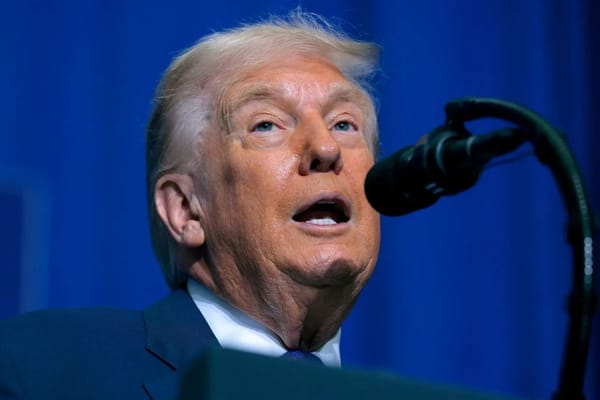
President Trump has framed the Maduro operation as both lawful and necessary. He has accused the Venezuelan leader of overseeing drug trafficking and corruption and said the arrest sends a clear message to authoritarian regimes worldwide.
Maduro and Flores are now being held at the Metropolitan Detention Center in Brooklyn and are expected to appear in federal court as early as Monday.
Trump has not directly addressed Zelensky’s comments but has previously taken a hard line on Russia. However, any move against Putin would carry risks far greater than those involved in Venezuela, given Russia’s nuclear arsenal and global influence.
Still, the comparison has now entered public discourse.
A Divided Global Response
Reactions to Zelensky’s remarks have been mixed. Some analysts argue that his comments highlight global double standards that international law is enforced selectively, often depending on power dynamics rather than principles.
Others warn that openly advocating for the arrest of sitting world leaders could push international relations toward chaos.
“This is a dangerous line of thinking,” said one European diplomat, speaking anonymously. “Maduro’s situation is unique. Applying the same logic to Russia would be catastrophic.”
Yet supporters of Ukraine counter that allowing leaders accused of war crimes to remain untouched undermines international justice altogether.
What Comes Next?
For now, the U.S. has not indicated that it plans to pursue similar actions against Russia. The focus remains on managing the fallout from the Venezuela operation and navigating the diplomatic storm that has followed.
Still, Zelensky’s words have ensured that the question will not fade quickly: if one dictator can be taken down by force, why not another?
As Maduro prepares to face American courts and Ukraine continues to defend itself under constant threat, the world is watching closely. The capture of Venezuela’s leader may have ended one chapter, but it has opened a far more complicated debate about power, justice, and how far nations are willing to go to confront authoritarian rule.
Whether Zelensky’s challenge becomes a turning point or simply another moment of rhetorical frustration remains to be seen. But one thing is clear: the rules of global politics feel less stable than ever.