After Two Fatal Shootings, Federal Officers in Minneapolis Finally Get Body Cams

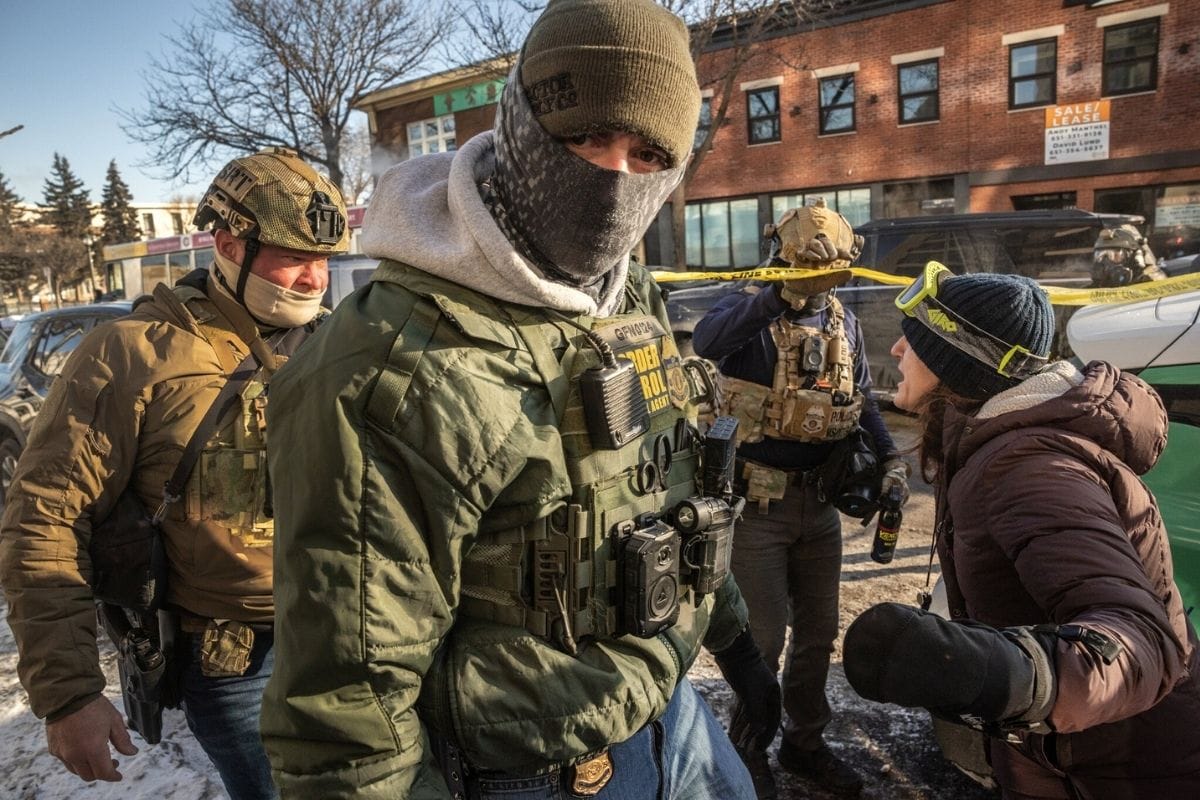
Federal immigration officers operating in Minneapolis will now be required to wear body cameras, a move the Department of Homeland Security says will take effect immediately. The decision comes after weeks of mounting anger, grief, and public pressure following the deaths of two U.S. citizens during encounters with federal agents.
The announcement was made on Monday by Homeland Security Secretary Kristi Noem, who said body cameras would be deployed to every federal officer working in the Minneapolis area. She described the change as an urgent step aimed at improving transparency and accountability during a highly charged moment for both law enforcement and the community.
The move follows the fatal shootings of Alex Pretti and Renee Good, both Minneapolis residents, whose deaths have become flashpoints in a growing national debate over immigration enforcement tactics, federal oversight, and public trust.
A City Under Strain
Minneapolis has been at the center of a large federal immigration surge for weeks. More than 3,000 federal immigration officers were deployed to Minnesota as part of a Trump administration crackdown on illegal immigration, with a particular focus on cities that have adopted “sanctuary” policies limiting cooperation with federal authorities.
What began as a law enforcement operation quickly escalated into a political and moral crisis.
In early January, Renee Good, a 37-year-old Minneapolis resident, was fatally shot during a confrontation involving federal agents. Just weeks later, on January 24, Alex Pretti, a 37-year-old intensive care nurse, was shot and killed during an encounter with border patrol officers while filming an enforcement action.
The Hennepin County Medical Examiner ruled Pretti’s death a homicide, stating that he suffered multiple gunshot wounds fired by one or more law enforcement officers. He later died at Hennepin County Medical Center.
While the term “homicide” does not automatically mean a crime was committed, the ruling intensified calls for accountability and independent investigation.
Body Cameras Arrive — But Questions Remain
According to U.S. Customs and Border Protection, the agents involved in Pretti’s shooting were already wearing body cameras and have since been placed on leave. The Department of Justice has opened a civil rights investigation into the incident.
Still, many local leaders and residents say body cameras should have been standard practice long before violence erupted.
Secretary Noem said the body camera rollout would eventually expand nationwide once funding becomes available. For now, Minneapolis is the first city to see the policy enforced immediately.
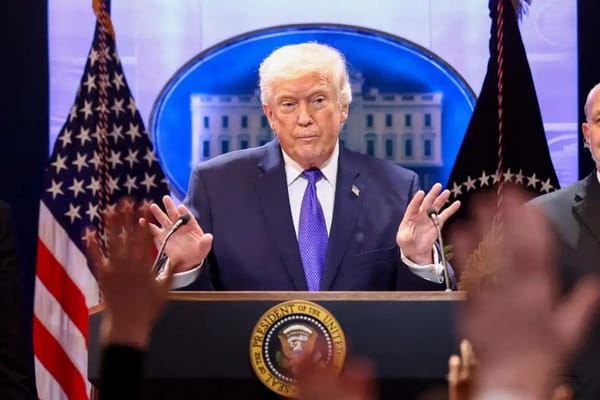
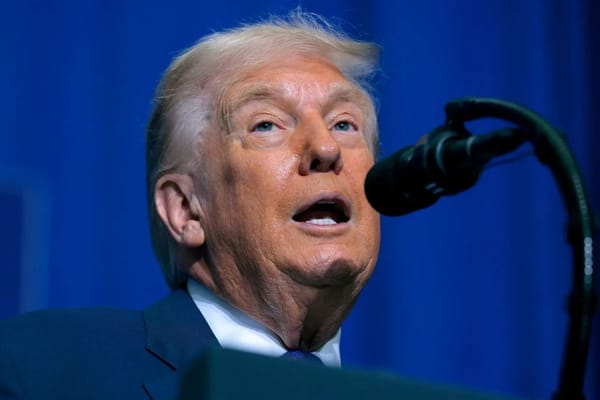
President Donald Trump weighed in on the issue, saying body cameras generally benefit law enforcement.
“People can’t lie about what’s happening,” he said, adding that body cameras are “80% good for law enforcement.”
To supporters of the administration, the move signals a willingness to address public concerns without abandoning enforcement goals. To critics, it is a late concession after irreversible damage has already been done.
Political Pressure and a Government Shutdown
The timing of the announcement is significant. The U.S. government is currently in its third day of a partial shutdown, as Democrats refuse to approve new funding without changes to immigration enforcement, including mandates for body cameras.
Immigration and Customs Enforcement is already the highest-funded law enforcement agency in the country. Congress authorized roughly $80 billion in funding last year, a figure that critics argue has not translated into adequate safeguards or oversight.
Democrats have pointed to the Minneapolis deaths as evidence that rapid enforcement expansion without accountability mechanisms puts both civilians and officers at risk.
Republicans, meanwhile, argue that sanctuary policies hinder law enforcement and place federal agents in hostile environments.
Leadership Changes and Attempts to Cool Tensions
In response to growing backlash, the Trump administration removed Gregory Bovino, the Border Patrol chief overseeing operations in Minneapolis. He was replaced by Tom Homan, the White House’s border enforcement coordinator.
Homan arrived in Minnesota last week and met with state and local officials, including Governor Tim Walz and Minneapolis Mayor Jacob Frey. The focus of the meetings was de-escalation.
After the meetings, Homan said federal authorities were working on a plan to “draw down” the number of agents in the area, though he emphasized that cooperation from local officials would influence how quickly that happens.
Governor Walz and Mayor Frey have repeatedly called for a full withdrawal of federal agents from the Minneapolis area, arguing that the operation has made residents feel unsafe and destabilized the city.
Frey has said Minneapolis police should focus on “the important work of keeping residents safe,” while acknowledging that the city would still cooperate with federal authorities in limited circumstances.
A Community Demanding Answers
For many Minnesotans, the issue is no longer just about immigration enforcement, it’s about trust.
Protests have continued across the city, with demonstrators calling for justice for Pretti and Good, transparency in investigations, and an end to what they describe as militarized policing by federal agencies.
Faith leaders, business owners, and civil rights groups have joined the calls, warning that the continued presence of heavily armed federal officers is deepening fear and division.
At the same time, some residents support the administration’s efforts, saying immigration laws must be enforced and that federal agents are being unfairly vilified.
Polls nationwide suggest Americans are divided: while many support deporting undocumented immigrants with criminal records, fewer approve of the aggressive tactics used in recent operations.
What Happens Next?
The rollout of body cameras may help clarify what happened during recent fatal encounters, but it is unlikely to quiet the debate on its own.
Federal investigations into Pretti’s death are ongoing. Agents involved remain on leave. Evidence preservation orders are in place. And lawmakers on both sides of the aisle are calling for clearer rules governing when and how federal agents use force.
For Minneapolis, the coming weeks will be critical.
Whether body cameras restore confidence, whether federal agents are withdrawn, and whether justice is delivered for the families involved may determine how this chapter in the city’s long struggle with policing and accountability is ultimately remembered.
For now, body cameras are coming, but for many in Minneapolis, the real demand remains unchanged: answers, accountability, and an end to violence.