After Venezuela, Polymarket Opens Bets on Colombia and Cuba
Only days after U.S. forces stunned the world by capturing Venezuelan leader Nicolás Maduro, the online prediction market Polymarket has already moved on to its next big question: Who’s next?
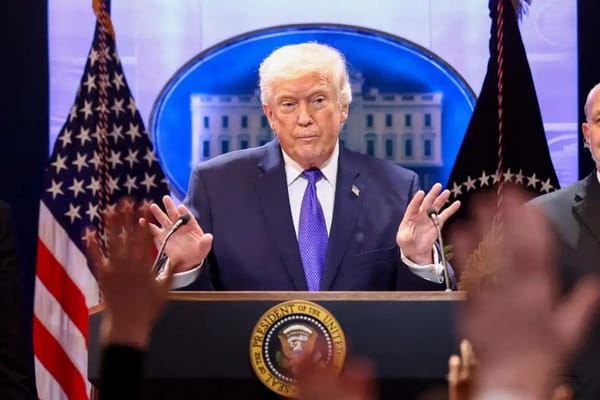
The platform has rolled out a new wave of betting contracts asking users to predict which country President Donald Trump might target next, and the options are raising eyebrows. Colombia. Cuba. Iran. Even Greenland. What once sounded like far-off speculation is now being actively wagered on, reflecting just how tense and unpredictable global politics feels right now.
This sudden expansion follows a controversial moment for Polymarket, after a small group of traders walked away with more than $620,000 by betting that Maduro would be forced out of power by the end of January, just hours before the U.S. carried out its overnight raid in Caracas. The timing of those bets has fueled online outrage and suspicion, with many questioning whether someone knew more than they should have.
Now, as Trump openly talks tougher on multiple fronts, Polymarket users are placing fresh bets on what might come next.
New Bets, Bigger Questions
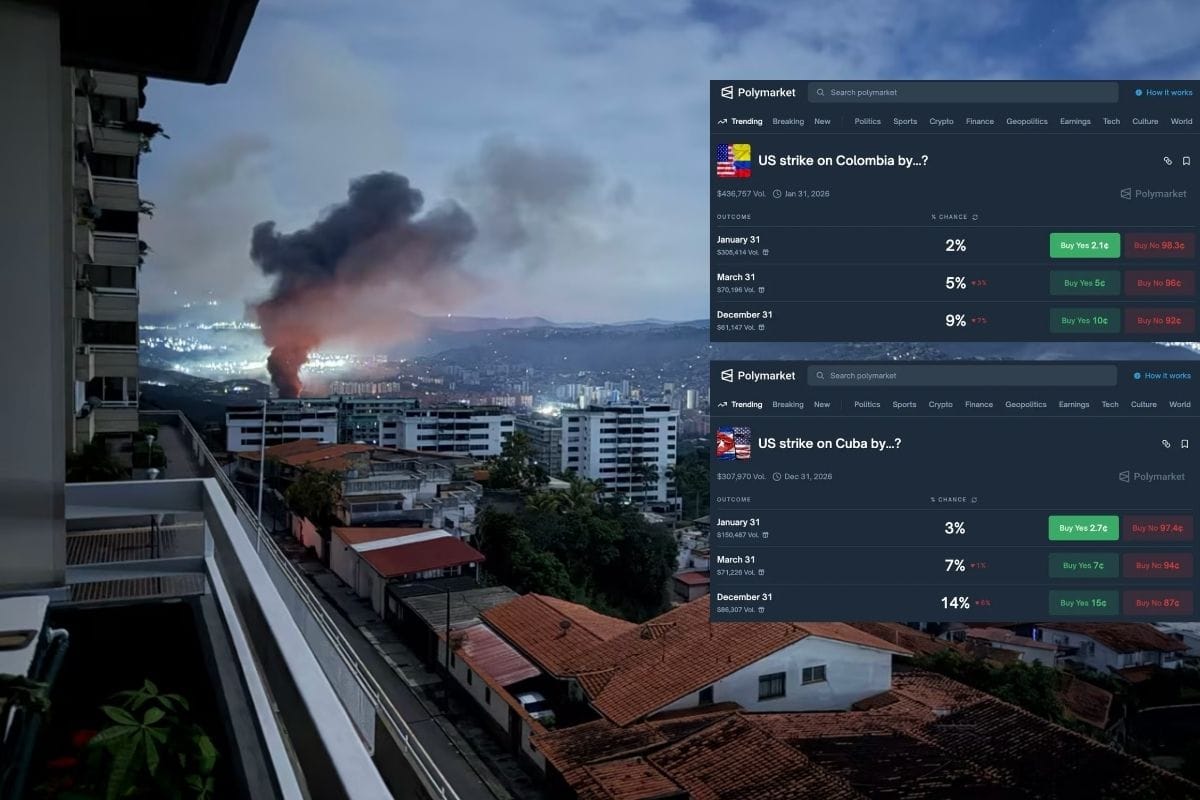
Among the newly listed contracts is a bet asking whether the United States will invade Cuba in 2026. As of Thursday afternoon, traders were giving that outcome about a 10% chance, but far from zero.
Another contract asks whether the U.S. will launch a strike on Colombia by the end of this year. That scenario currently sits at around 9% odds, suggesting most users don’t expect immediate action, but still see the possibility.
Beyond Latin America, Polymarket is also tracking instability elsewhere. Traders now give a 36% chance that Iran’s Supreme Leader, Ali Khamenei, will be out of power by the end of June, a sharp jump following the Venezuela operation. There are also bets on whether Israel will strike Iran this month, whether the U.S. could acquire part of Greenland by 2026, and whether Russia and Ukraine might reach a ceasefire by late March.
The odds for peace in Ukraine remain bleak, with just a 15% chance assigned to a ceasefire.
Taken together, these bets reflect a growing sense that the world has entered a more volatile phase and that Trump’s second term may bring rapid, unexpected moves.
The Bets That Raised Red Flags
The excitement around these markets hasn’t come without backlash.
The spotlight first turned to Polymarket after three newly created accounts placed large bets on Maduro’s downfall just hours before the U.S. raid. The biggest of those wagers, a $34,000 bet, was placed when the odds of Maduro being removed from power were just 6%.
Then something strange happened.
Within a short time, the odds suddenly began to rise, well before Trump publicly confirmed the operation. When the raid was announced, the bet paid out massively, delivering a return of more than 1,200%.
For many observers, that timing felt uncomfortable. Social media quickly filled with accusations of insider trading, even though prediction markets technically operate in a legal gray area.
Polymarket hasn’t said whether it’s reviewing those trades, and the company did not respond to requests for comment.
Anger Over the “Invasion” Technicality
The controversy deepened when Polymarket refused to pay out bets tied to whether the U.S. had “invaded” Venezuela.
Despite U.S. forces carrying out a large-scale military operation, Polymarket ruled that the mission did not qualify as an invasion under the specific wording of the contract. According to the platform, an invasion requires military action meant to establish control, not a targeted operation to capture a leader.
That explanation didn’t sit well with many users.
The value of “yes” contracts collapsed overnight, wiping out expected winnings and leaving bettors furious. Some accused Polymarket of hiding behind legal language to avoid payouts. Others argued the rules were clear, even if the outcome felt unfair.
The episode exposed a growing gap between how everyday people understand global events and how prediction markets define them.
A Booming but Controversial Industry
Prediction markets have exploded in popularity over the past few years, especially after correctly forecasting Trump’s 2024 election victory. Platforms like Polymarket now rival major sports betting companies in size and activity. But that growth has also drawn serious scrutiny.
In 2024, federal investigators raided the home of Polymarket founder Shayne Coplan as part of a probe into whether the platform allowed illegal U.S. betting. While Polymarket later received approval from regulators to operate domestically, that approval came with tighter rules.
Regulated prediction markets are generally restricted from offering contracts tied to war, terrorism, or assassination. Some platforms, like Kalshi, avoid those topics entirely. Polymarket, however, continues to push the boundaries, a choice that keeps it popular but controversial.
Betting on Conflict: Where’s the Line?
Supporters of prediction markets argue they offer valuable insight into how people collectively view the future. Polymarket itself says its goal is to harness the “wisdom of the crowd” to make better forecasts during uncertain times. Critics see something darker.
They warn that allowing people to bet on military action, political collapse, or violence risks turning human suffering into a financial game. Some fear it could even create incentives for insiders to leak information or act recklessly for personal gain.
With Trump openly discussing pressure campaigns, military options, and territorial ambitions from Venezuela to Greenland, platforms like Polymarket are likely to stay in the spotlight.
Whether they’re viewed as innovative forecasting tools or troubling symbols of a world gambling on chaos may depend on what happens next, both in Washington and on the world stage.
For now, one thing is clear: the bets are getting bigger, the stakes are higher, and the line between prediction and provocation is becoming harder to see.