After Venezuela, Who’s Next? Trump’s Global Warning Raises Alarm

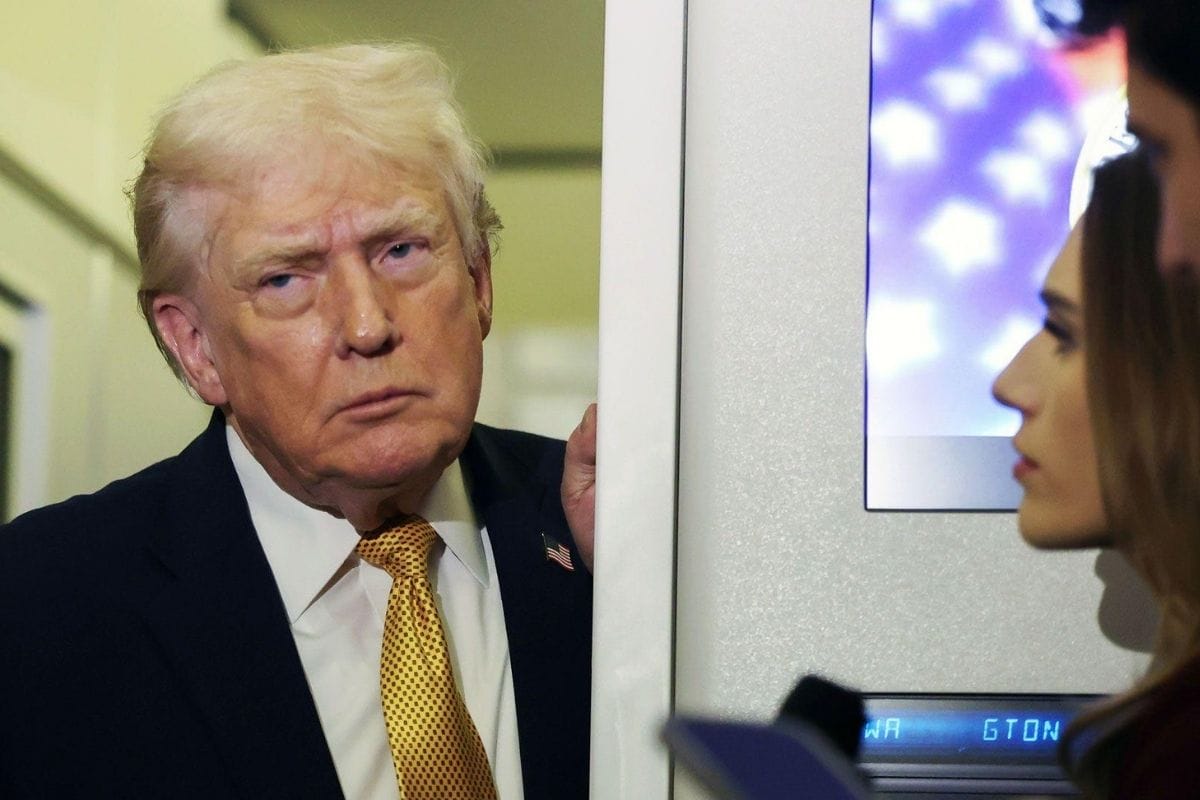
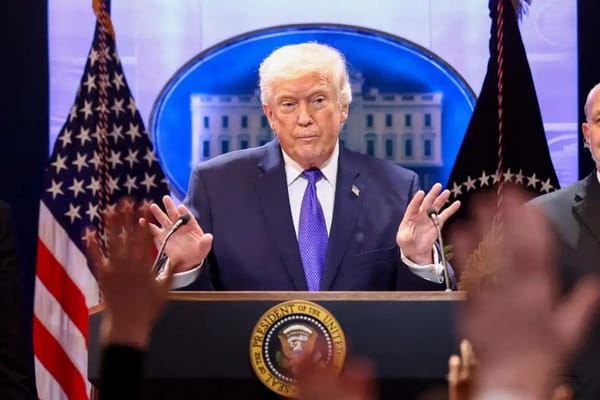
Donald Trump’s second term has wasted no time making its presence felt on the world stage. The sudden U.S. operation that led to the capture of Venezuelan President Nicolás Maduro and his wife shocked many people, not just in Latin America but across the globe. For Trump, it was a clear show of force. For the rest of the world, it was a wake-up call.
Now, diplomats and leaders everywhere are asking the same uneasy question: if Venezuela was first, who might be next?
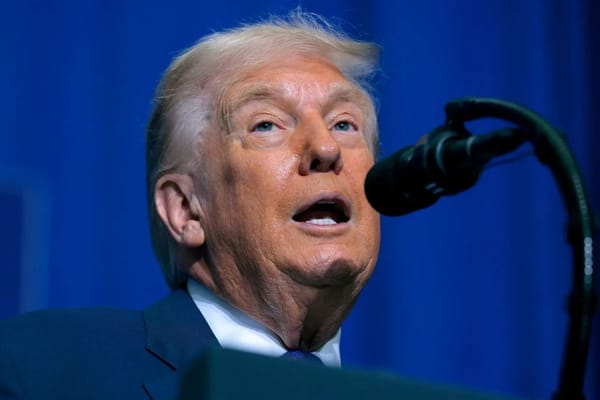
Trump has never been shy about using strong language or making bold threats, but this time he followed through. Since the raid, he has openly spoken about expanding U.S. influence, reviving old ideas about American dominance, and warning other governments he believes are standing in the way of U.S. interests.
Several countries are suddenly feeling the pressure.
Greenland: “Not for Sale,” But Still in Trump’s Sights
Greenland might seem like a strange target, but Trump sees it as hugely important. The United States already has a military presence there, yet Trump wants more control over the massive Arctic island.
In his view, Greenland’s location makes it critical for national security. With Russian and Chinese activity increasing in the Arctic, Trump argues that the U.S. cannot afford to ignore the region. On top of that, Greenland holds valuable rare earth minerals that are essential for modern technology, from smartphones to military equipment.
Greenland’s leaders have been blunt in response, calling the idea of U.S. control unrealistic and unwelcome. Denmark, which handles Greenland’s defense and foreign affairs, has also pushed back hard. Any attempt by the U.S. to take Greenland would create serious tension with a NATO ally and could shake the alliance itself.
Colombia: A Longtime Ally Under Fire
Colombia has long been one of Washington’s closest partners in South America, especially in the fight against drug trafficking. But that relationship appears to be fraying.
Just hours after the Venezuela raid, Trump issued sharp remarks about Colombian President Gustavo Petro, accusing his government of letting drug cartels thrive. He hinted that Colombia could face serious consequences if things don’t change.
This marks a dramatic shift. Colombia has received years of U.S. military and financial support. Now, Trump’s tone suggests growing frustration and a willingness to apply pressure, whether through sanctions, diplomatic isolation, or something more forceful.
Iran: Protests and Threats
Iran is facing growing unrest at home, and Trump has made it clear he is watching closely. He has warned that if Iranian authorities respond violently to protests, the U.S. could retaliate.
This comes after last year’s U.S. strikes on Iranian nuclear facilities, which already pushed tensions to dangerous levels. Iran may be outside Trump’s new Western Hemisphere focus, but it remains a major concern, especially with Israel urging a tougher stance.
Any further escalation with Iran would carry serious global risks, potentially dragging multiple countries into a wider conflict.
Mexico: Old Tensions, New Warnings
Trump’s relationship with Mexico has always been tense, and his second term has done little to calm things down. He continues to accuse Mexican authorities of failing to stop drugs and illegal immigration from crossing into the U.S.
Recently, Trump suggested sending U.S. troops to Mexico to combat drug cartels. Mexico’s president quickly rejected the idea, saying foreign troops would never be allowed on Mexican soil.
While a military move seems unlikely, Trump’s comments signal that border security and cartel violence remain high on his agenda. Increased pressure, tougher enforcement, and economic measures could follow.
Cuba: A Government Under Strain
Cuba has survived decades of U.S. sanctions, but the fall of Maduro has made its situation even more fragile. Venezuela had been a major supplier of oil to Cuba, and without that support, the Cuban economy faces serious challenges.
Trump has suggested that Cuba may collapse without the need for direct U.S. action. Still, his administration is clearly watching closely. Secretary of State Marco Rubio has openly warned Cuban leaders that change may be coming.
Rather than troops, Cuba is more likely to face tighter sanctions and growing isolation aimed at forcing internal change.
A World on Edge
What connects all these situations is Trump’s belief in using American power openly and unapologetically. His approach is simple: pressure first, act fast, and worry about diplomacy later.
Supporters say this shows strength and deters enemies. Critics warn it risks chaos, broken alliances, and long-term instability.
For now, world leaders are paying close attention. The capture of Maduro proved that Trump’s threats are no longer just talk. Whether through military force, economic pressure, or political isolation, many countries are now preparing for the possibility that they could be next.
Venezuela may not be the end of the story; it may be the start of a much bigger one.