AI Firm Anthropic Moves Closer to US Military in Strategic Shift
Anthropic deepens ties with the US military, signaling a shift in Silicon Valley’s role in AI-driven defense strategy.

For years, major tech companies liked to draw a clear line between themselves and the Pentagon. That line is fading.
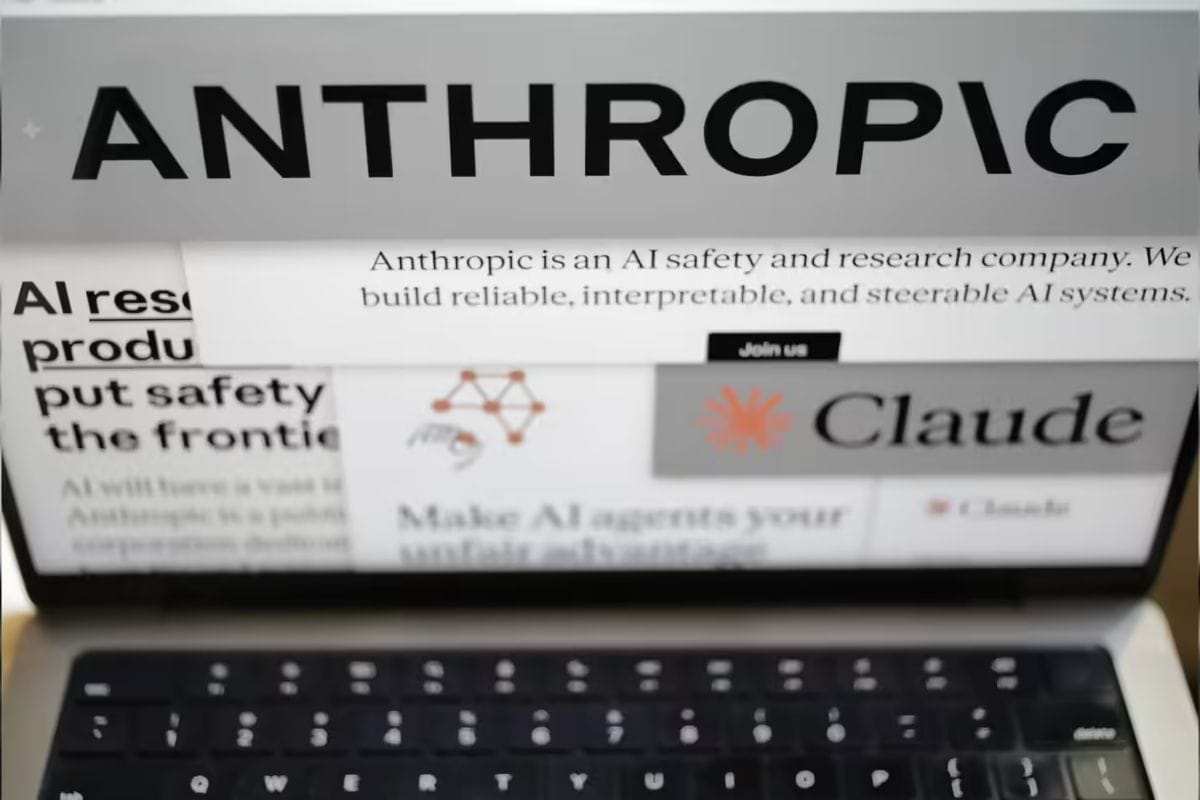
Anthropic, one of the most closely watched artificial intelligence firms in the United States, is now working more closely with the U.S. military, a move that reflects how dramatically the AI landscape has shifted. The company, known for promoting AI safety and careful deployment, is stepping into territory that once triggered walkouts and public protests inside tech offices.
This is not about robots on battlefields, at least not yet. It is about software, data and decision-making. But even that feels significant.
Because when a company built on “AI safety” begins collaborating with defense agencies, it signals that the relationship between Silicon Valley and Washington has entered a new phase.
From Safety-First Startup to Defense Conversations
Anthropic built its identity around caution.
Founded by former OpenAI researchers, the company emphasised alignment ensuring AI systems behave predictably and responsibly. Executives frequently spoke about minimizing harm and building safeguards.
That reputation made its growing involvement with defense discussions stand out.
According to reports, Anthropic is exploring ways its AI systems could assist U.S. military operations. The emphasis appears to be on analysis and support roles that process large volumes of information, identify patterns, assist with logistics, and strengthen cybersecurity defences.
Defense agencies increasingly rely on massive data flows. Satellites, drones and sensors generate more information than humans alone can analyze quickly. AI can sift through that data in seconds. Supporters argue this improves accuracy and reduces risk.
But critics see the shift as symbolic. They worry that even non-lethal uses of AI in military contexts open the door to deeper integration later.
Anthropic insists that its systems include guardrails and that humans remain in control of decisions. Still, once AI becomes embedded in national security infrastructure, the stakes rise.
Why the Pentagon Wants AI Now
The U.S. military does not want to fall behind.
Artificial intelligence has become central to geopolitical competition. Lawmakers routinely frame AI as a strategic asset one that could determine economic leadership and battlefield advantage.
China’s rapid progress in AI development has intensified that pressure. U.S. officials argue that if American companies hesitate to collaborate, adversaries will not. This framing has shifted the conversation in Silicon Valley.
A decade ago, many engineers openly resisted defense contracts. Employees at large tech firms staged protests against projects linked to drone surveillance. Executives reassured workers that their tools would not be used for warfare.
Today, the tone sounds different.
AI companies increasingly describe collaboration with defense agencies as part of a national responsibility. They argue that democratic nations should guide AI’s military use rather than leaving development unchecked elsewhere.
Anthropic’s involvement reflects that shift.
The Ethical Questions That Won’t Go Away
Even if Anthropic limits its work to analysis and support functions, concerns remain.
AI systems can make mistakes. They can misinterpret data. They can reflect biases in training materials. In civilian settings, errors might lead to inconvenience or reputational damage. In military settings, mistakes carry far greater consequences.
The company emphasizes safety research and internal review processes. But critics question how transparent such safeguards can be when national security confidentiality applies.
Can outside researchers audit systems tied to defense work? How will the public know where the boundaries lie?
There is also the question of escalation. Today’s AI might analyze satellite imagery. Tomorrow’s version could influence targeting decisions. Anthropic has publicly stressed that its mission centers on preventing harmful uses of AI. That commitment will face scrutiny as partnerships deepen.
Silicon Valley’s Culture Is Changing
The broader tech culture is not what it was five or ten years ago.
Venture capital now pours into defense-focused startups. Former tech executives join advisory boards tied to national security. Government officials move between public service and AI firms with increasing frequency.
The idea that Silicon Valley and the Pentagon exist in separate spheres feels outdated.
Some engineers still express discomfort. They worry about mission creep and moral responsibility. Others argue that participating allows companies to shape how AI gets used, rather than leaving those decisions solely to traditional defense contractors.
Anthropic’s move does not exist in isolation. It reflects a broader recalibration across the industry.
What This Means for the Future of AI and War
Artificial intelligence is no longer a futuristic concept confined to research labs.
It writes code. It drafts documents. It identifies patterns in medical scans. And now, increasingly, it supports national defense systems. Anthropic’s partnership signals that AI companies recognize their tools will shape military capabilities whether they engage directly or not.
For the Pentagon, access to frontier AI models offers speed and analytical power. For Anthropic, collaboration brings influence and scrutiny.
The relationship between private innovation and public defense has always been complex. In earlier eras, aerospace companies and defense contractors built hardware. Today, the most powerful systems may exist as lines of code developed by startup engineers.
As this partnership evolves, questions about oversight, transparency and accountability will grow louder.
Can safety-driven AI coexist comfortably with military application? Can guardrails hold firm under geopolitical pressure? Anthropic’s decision suggests that the company believes the answer is yes or at least that engagement offers a better path than avoidance.
The debate will not fade quickly. But one thing is clear: the boundary between Silicon Valley innovation and national security strategy is thinner than ever. And as artificial intelligence grows more capable, that boundary may disappear altogether.