
Apple News Faces Political Storm Over Media Favoritism Claims

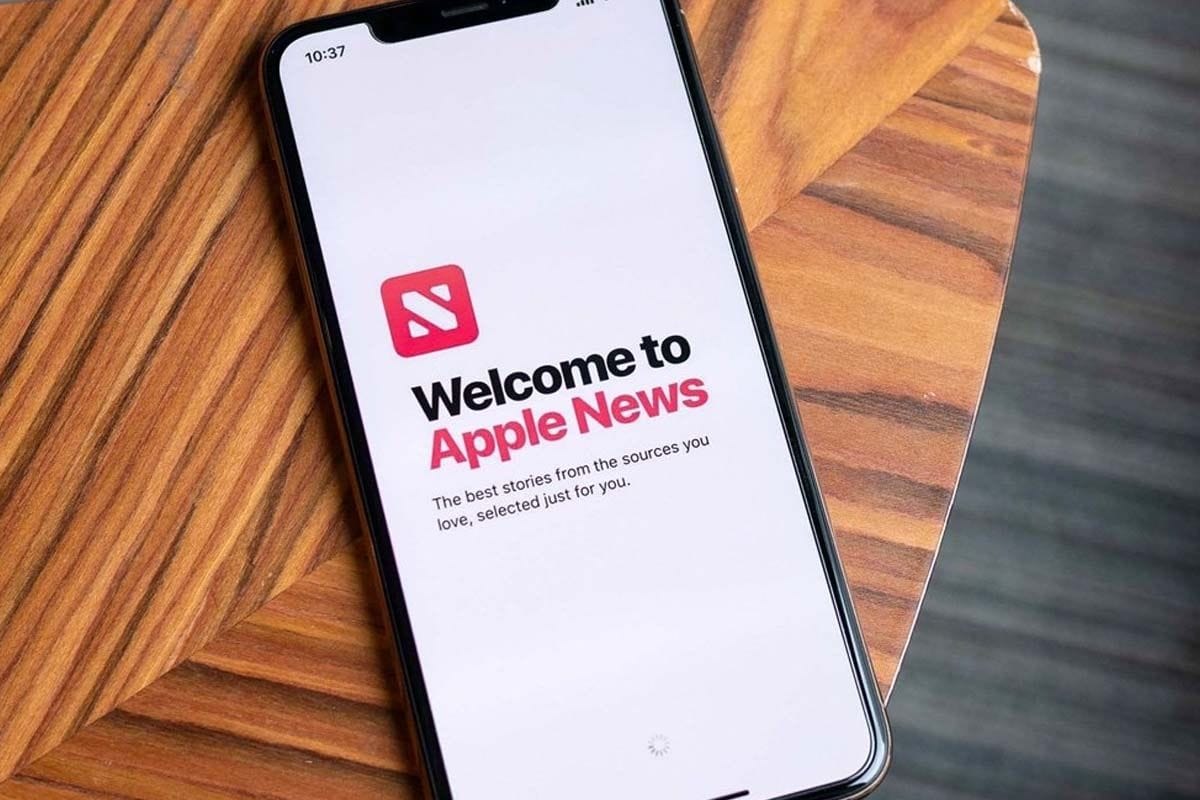
Apple is facing fresh criticism after a new study claimed its Apple News platform gives more visibility to left-leaning media outlets while sidelining conservative ones.
The report has sparked a heated debate not just about Apple, but about how much influence tech companies have over the news people consume every day.
For millions of Americans, Apple News isn’t just another app. It’s pre-installed on their iPhones and iPads. It’s where they scroll during their morning coffee. It’s where they check breaking headlines. That kind of reach makes any claim of political bias a big deal.
What the Study Says
According to the study, researchers reviewed featured stories and publisher placements on Apple News over a certain period. They concluded that progressive-leaning outlets appeared far more often in prominent sections including top stories and curated highlights while conservative outlets were either rarely featured or not featured at all.
Critics say this creates an uneven playing field.
When a company as large as Apple chooses which stories sit at the top of the app, it isn’t just organizing content it’s shaping attention. And attention drives traffic, influence and revenue.
Supporters of the study argue that if one side of the political spectrum is consistently more visible than the other, that raises fair questions about neutrality.
Why Apple News Matters
Apple News is different from social media platforms like X or Facebook, where users mostly follow accounts they choose.
Apple News blends algorithmic recommendations with human editorial decisions. That means some content is personalized, but some of it is hand-picked by Apple’s editorial team.
With over a billion active Apple devices worldwide, the platform has massive influence. For some users, it may be their primary source of daily news.
That influence is exactly why transparency matters, critics say.
The Broader Political Climate
This controversy doesn’t exist in a vacuum.
For years, conservatives have accused major tech companies of suppressing right-leaning viewpoints. Meanwhile, progressives have criticized platforms for amplifying misinformation and extremist content.
The Apple News debate taps directly into that long-running tension.
Some lawmakers argue that tech companies shouldn’t quietly shape political narratives through curated content. Others say private companies have the right to decide what appears on their platforms especially if they believe they are prioritizing credible journalism.
The truth likely sits somewhere in between, but the disagreement isn’t going away anytime soon.
Apple’s Silence — For Now
So far, Apple has not issued a detailed public response to the study’s claims.
In the past, Apple has positioned Apple News as a trusted space for quality journalism. The company has emphasized fact-based reporting and partnerships with established publishers.
Supporters argue that Apple may simply be favoring outlets with strong editorial standards not political ideology.
But critics counter that labeling outlets as “credible” can sometimes blur into subjective territory.
The Money Factor
There’s also a business side to all of this.
Being featured prominently on Apple News can significantly boost readership. It can drive subscriptions and ad revenue. For publishers, placement on a platform like Apple News isn’t just about exposure it’s about survival in a competitive media environment.
If certain outlets consistently get more prime digital real estate, it can shift the balance of media power.
At the same time, measuring “bias” in media exposure is complicated. What one person sees as left-leaning, another may view as mainstream.
Algorithms vs. Editors
One important detail often overlooked is how content actually gets selected.
Some stories are recommended based on user's reading habits. If a person frequently reads certain types of publications, the system may show similar content.
But curated homepage sections are generally editorial decisions.
That mix makes it difficult to pinpoint whether any imbalance is intentional, structural or simply reflective of user behavior.
What This Means for Readers
For everyday readers, the bigger takeaway may be this: no digital news feed is truly neutral.
Every platform, whether it’s Apple News, Google, or social media, makes choices about what gets shown and what doesn’t.
That doesn’t automatically mean manipulation. But it does mean that relying on a single curated feed may limit exposure to different perspectives.
Many media experts suggest actively seeking diverse sources instead of depending on one platform’s homepage.
The Debate Isn’t Ending Soon
As tech companies continue to dominate how information is distributed, scrutiny over content curation will only increase.
Questions about fairness, transparency and political influence are becoming central to the digital age.
For Apple, which has built its brand on trust, privacy and premium quality, even the perception of political favoritism can become a reputational challenge.
Whether this study leads to policy changes or fades into the broader tech debate remains to be seen.
But one thing is clear: in today’s world, the gatekeepers of information are no longer just newspapers and TV networks they are tech platforms.
And when those platforms make editorial decisions, people are watching.