Barack Obama Slams Loss of ‘Decorum’ After Trump’s Controversial Post
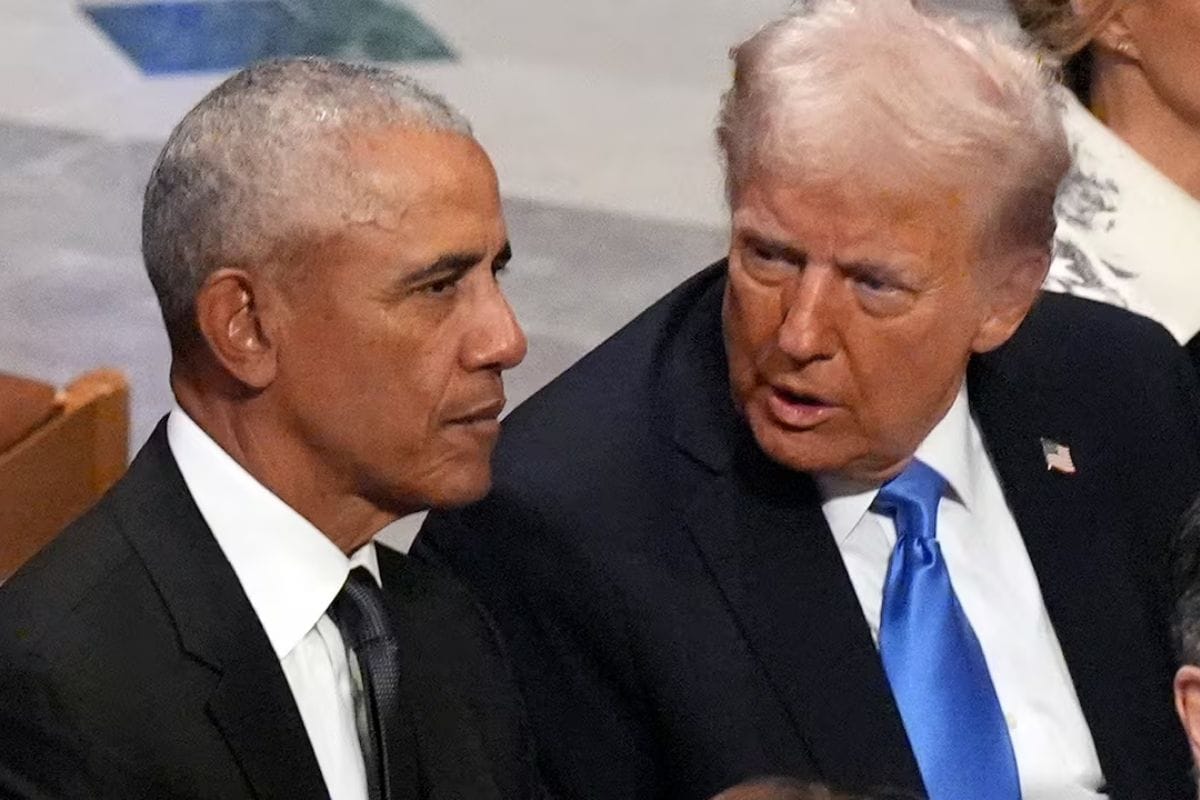
Former President Barack Obama has broken his silence following the controversy surrounding a racist video shared on President Donald Trump’s social media account, but in a way that was measured, reflective and unmistakably pointed.
Instead of directly attacking Trump, Obama chose to address what he described as a broader decline in political decency. Speaking on a podcast released over the weekend, the former president said that the “shame” and “decorum” that once guided public officials appear to have faded from American political life.
His comments came days after a video was posted to Trump’s Truth Social account that included a racist clip depicting Barack and Michelle Obama as apes. The image, widely condemned across the political spectrum, triggered outrage from Democrats and Republicans alike before it was eventually deleted.
The Video That Sparked Outrage
The clip appeared at the end of a longer video that repeated unfounded claims about voter fraud in the 2020 presidential election. Set to the song The Lion Sleeps Tonight, the edited footage included a racist caricature comparing the Obamas to apes, imagery long associated with hateful and dehumanizing stereotypes against Black people.
The backlash was swift.
Republican Senator Tim Scott, the only Black Republican in the Senate, called it “the most racist thing I’ve seen out of this White House.” Other lawmakers also expressed concern, urging that the post be taken down.
Initially, the White House dismissed the criticism as “fake outrage.” Later, officials said a staff member had posted the video in error and that it had been removed. Trump told reporters he had only seen part of the video before it went up and did not view the offensive portion. When asked whether he planned to apologize, he said, “I didn’t make a mistake.”
Obama’s Response: Calm but Clear
Obama addressed the situation during a 47-minute podcast interview with liberal host Brian Tyler Cohen. Rather than focusing on the specific video, Obama responded to a broader question about the tone of American politics.
When Cohen mentioned the racist imagery directly, Obama did not name Trump in his answer. Instead, he reflected on what he sees as a troubling shift in public discourse.
“It’s important to recognize that the majority of the American people find this behaviour deeply troubling,” Obama said. “It is true that it gets attention. It’s indeed a distraction.”
He went on to say that while social media and television can amplify extreme behavior, many Americans still value kindness and decency.
“When I travel around the country, I meet people who still believe in decency, courtesy, kindness,” he said. “There’s this sort of clown show that’s happening in social media and on television.”
Obama suggested that something fundamental has changed in political culture.
“There doesn’t seem to be any shame about this among people who used to feel like you had to have some sort of decorum and a sense of propriety and respect for the office,” he said. “That’s been lost.”
His tone was calm and controlled, but the message was unmistakable.
A Familiar Pattern of Tension
This is not the first time Obama and Trump have been linked through controversy. Long before Trump entered the White House, he repeatedly promoted the false claim that Obama was not born in the United States a conspiracy theory widely criticized as racially charged.
Although Trump eventually acknowledged that Obama was born in Hawaii, tensions between the two have remained part of the broader political landscape.
Still, Obama’s latest response avoided personal attacks. Instead of escalating the situation, he framed the issue as part of a larger cultural shift, one that he believes affects both parties and the country as a whole.
Broader Concerns About Political Tone
During the podcast, Obama discussed more than just the video controversy. He spoke about immigration protests, electoral redistricting, and the future opening of his presidential library in Chicago.
But the underlying theme of the conversation was clear: concern about the direction of public debate in America.
Obama acknowledged that provocative posts and viral moments dominate social media feeds. But he emphasized that this online “clown show,” as he described it, does not fully represent the country.
In his travels, he said he continues to encounter Americans who want respectful dialogue and thoughtful leadership. His comments suggest he sees hope even in a moment marked by polarization.
Political Reactions Continue
The original video controversy continues to spark debate.
Some Democrats argue it reflects a dangerous normalization of racially charged rhetoric. Critics say such imagery contributes to division and hostility. Some Republicans, including Senator Scott, have also spoken out against it, while others have remained largely silent.
Trump’s supporters have defended him, pointing to the claim that he did not personally review the entire video before it was posted. Meanwhile, the White House has not offered further clarification about how the video was approved or who exactly posted it.
A Test of Public Standards
At its core, this episode highlights an ongoing question in American politics: what standards of behavior should apply to elected leaders?
Obama’s remarks suggest he believes certain unwritten rules respect, restraint, a sense of dignity once served as guardrails. He worries those guardrails are eroding. Whether voters share that concern may ultimately shape future elections.
For now, Obama appears determined to take the higher road addressing what he sees as the larger issue of tone and decency without directly engaging in personal confrontation.
In doing so, he offered a reminder that even in a highly charged political climate, responses can be measured rather than explosive. And in today’s political environment, that alone may stand out.