Bill Ackman Donates $10K to Family of Slain Minneapolis Nurse Alex Pretti After ICE Shooting
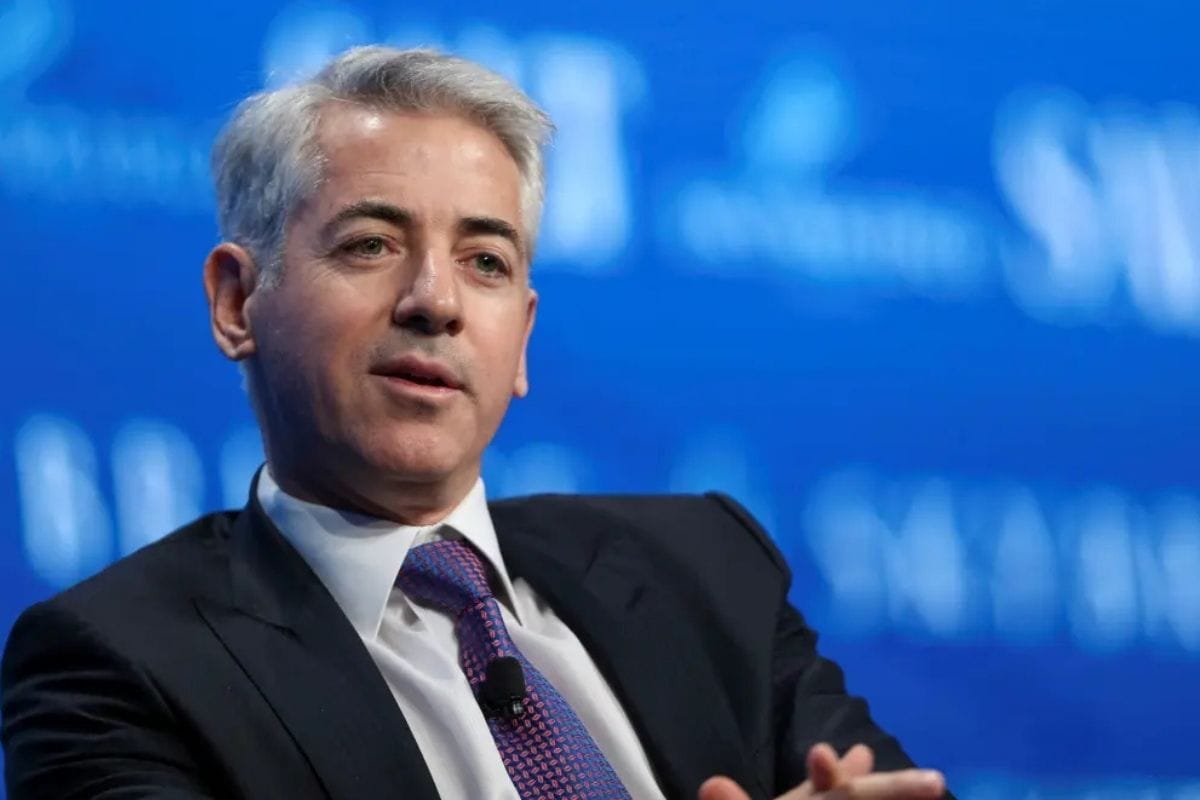
Billionaire hedge fund manager Bill Ackman has donated $10,000 to the family of Alex Pretti, the 37-year-old intensive care nurse who was fatally shot by federal immigration agents during a confrontation in Minneapolis. The donation comes amid intense national debate over immigration enforcement, policing tactics, and the growing unrest surrounding ICE operations in Minnesota.
Ackman’s contribution was made through a GoFundMe campaign set up to support Pretti’s family. As of Monday afternoon, the fundraiser had surpassed $1.2 million, reflecting a massive outpouring of public sympathy and anger following Pretti’s death. The shooting has become one of the most high-profile flashpoints in a widening conflict between federal immigration authorities and protesters across the country.
Pretti, a U.S. citizen and ICU nurse, was shot during an encounter with Border Patrol agents while filming an enforcement action tied to heightened ICE operations in Minneapolis. His death followed weeks of escalating tensions in the city, where federal agents have been conducting aggressive immigration raids under directives from the Trump administration.
A Tragic Death Amid Rising Tensions
According to accounts from witnesses and local officials, Pretti was documenting an ICE-related operation when a confrontation broke out between agents and members of the public. Federal authorities claim agents fired in self-defense, alleging Pretti was armed and resisted commands. Local officials and Pretti’s family strongly dispute that account, stating that he was legally carrying a firearm, that it had already been removed, and that he was not threatening officers at the time he was shot.
Video footage circulated online has fueled public outrage, with many questioning the conduct of federal agents and the lack of transparency surrounding the investigation. Minneapolis police officials have said they were blocked from fully accessing the scene immediately after the shooting, adding to concerns about accountability.
The killing of Pretti came just weeks after another Minneapolis resident, Renee Nicole Good, was also fatally shot by an ICE agent during a separate incident. Together, the two deaths have transformed Minnesota into the epicenter of a national reckoning over immigration enforcement and the use of force.
Ackman’s Donation and Earlier Controversy
Ackman’s donation to Pretti’s family has drawn attention not only because of his wealth, but because it follows another controversial contribution earlier this month. In January, Ackman donated $10,000 to a GoFundMe supporting Jonathan Ross, the ICE agent who fatally shot Renee Good. That donation sparked widespread backlash online, with critics accusing Ackman of siding with law enforcement while ignoring victims.
In response to that earlier criticism, Ackman defended his actions by citing his belief in due process and the legal principle of “innocent until proven guilty.” He said his intent was not political, but rooted in a longstanding practice of helping individuals accused of crimes obtain legal defense.
Ackman later said he had also wanted to donate to Good’s family but claimed the fundraiser had already closed by the time he attempted to contribute. The donation to Pretti’s family appears to have eased some criticism, though reactions remain mixed.
Ackman has not publicly commented on the Pretti donation as of Monday afternoon, but his previous statements suggest he sees both donations as consistent with his personal philosophy rather than an endorsement of any side in the political conflict.
Political Fallout and Public Reaction
The shooting of Alex Pretti has intensified political divisions in Minnesota and beyond. Governor Tim Walz has repeatedly called for the removal of ICE agents from Minneapolis, describing the situation as dangerous and unsustainable. The Trump administration has responded by accusing state leaders of inflaming tensions and encouraging interference with federal law enforcement.
Ackman himself weighed in on the political climate shortly after Pretti’s death, appearing to criticize Walz’s rhetoric. In a social media post, he questioned whether state leaders had encouraged protesters to intervene in ICE operations and warned that such actions could lead to deadly consequences.
“Inciting people to rise up against law enforcement is guaranteed to end badly,” Ackman wrote, urging leaders to “take the temperature down before more lives are lost.”
Those comments were met with both support and criticism, reflecting the deeply polarized response to the ongoing crisis.
A Community in Mourning
For many Minnesotans, the focus remains on the human cost. Pretti’s family described him as a dedicated nurse, a caring son, and a man deeply committed to helping others. Colleagues at the hospital where he worked said he was known for his calm presence in high-pressure situations and his compassion toward patients and coworkers alike.
Local vigils and marches have drawn thousands of people, even in freezing temperatures. Protesters have demanded justice for Pretti, an end to aggressive immigration raids, and independent investigations into federal use of force.
Business leaders across Minnesota have also spoken out. Executives from dozens of major companies signed an open letter calling for de-escalation and cooperation between federal and state authorities, warning that ongoing unrest is harming communities and the local economy.
A Broader National Reckoning
Pretti’s death has become part of a larger national debate over immigration policy, policing, and civil liberties. While polls suggest many Americans support enforcing immigration laws, there is growing discomfort with how those laws are being enforced particularly when operations spill into public spaces and involve lethal force.
Civil rights groups, gun rights organizations, and even some conservative lawmakers have called for a full and transparent investigation into the shooting. The National Rifle Association, typically aligned with law-and-order policies, has also urged caution, noting that Pretti was a lawful gun owner with no criminal record.
As investigations continue, Ackman’s donation stands as one of many gestures reflecting how the tragedy has rippled far beyond Minneapolis. Whether it brings comfort to Pretti’s family or helps cool the national debate remains to be seen.
What is clear is that the death of Alex Pretti has become a defining moment in America’s ongoing struggle to balance public safety, civil rights, and the rule of law one that continues to unfold with no easy answers in sight.