Cartel Violence Near US Border Leaves Californians Trapped in Chaos
Cartel violence near the US-Mexico border leaves Californians stranded as roadblocks, gunfire and burning vehicles disrupt travel.

It was supposed to be a routine trip across the border.
Some Californians had driven into northern Mexico for lunch. Others went for dental appointments, pharmacy stops, or to visit relatives. For many in Southern California, crossing the border is part of normal life quick, familiar, almost automatic. Then the gunfire started.
Within hours, roads leading to key border crossings filled with smoke from burning vehicles. Armed men reportedly blocked highways. Traffic froze. And American travelers who had planned to be home before dinner suddenly found themselves trapped in the middle of cartel retaliation.
The violence erupted after Mexican authorities killed a senior cartel figure during a security operation. What followed was swift and calculated. Gunmen torched cars, created roadblocks and flooded certain areas with armed presence, a show of force designed to challenge authorities and assert control.
For the Californians caught nearby, it felt like the ground shifted under their feet.
Sudden Cartel Retaliation Turns Routine Into Fear
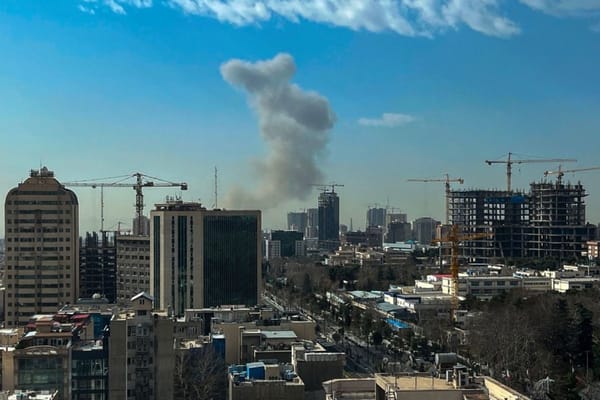
Residents in the affected Mexican border city described chaos unfolding in real time. Social media posts showed black smoke rising from highways. Drivers abandoned vehicles. Businesses pulled down metal shutters.
Cartel groups have used these tactics before. When a leader is arrested or killed, retaliation often comes quickly. Vehicles are hijacked and set on fire. Major roads are blocked. The message is unmistakable: we are still here.
But this time, the violence unfolded just minutes from heavily used US border crossings.
Californians in restaurants and shops began checking their phones. Group texts lit up. “What’s happening?” “Is it safe to leave?” “Should we stay inside?”
One Southern California mother traveling with her teenage son said she heard what sounded like rapid gunfire not far from where they were parked. She immediately rushed back inside a nearby building and locked the door behind her.
“You could feel the panic building,” she said later. “Everyone just wanted to get home.”
Border Crossings Snarl as Americans Wait for Safety
While US ports of entry did not officially shut down, the roads leading to them became unpredictable.
Traffic stalled as authorities worked to clear burning vehicles. Some routes closed temporarily. Drivers unsure of safe paths hesitated, afraid of heading directly into blocked streets. For many Californians, the hardest part was the waiting.
Some sheltered inside restaurants for hours, watching updates scroll across their screens. Others stayed inside their cars, doors locked, hoping conditions would stabilize before nightfall.
One traveler texted relatives in San Diego: “Pray for us.” The message captured the anxiety that spread quickly among families on both sides of the border.
The US State Department often urges caution when traveling in certain Mexican regions due to cartel activity. But for people who cross frequently and without incident, warnings can feel distant until something like this happens.
By late afternoon, Mexican authorities began regaining control of several areas. Traffic slowly resumed. But the emotional impact lingered long after engines restarted.
Law Enforcement Scrambles to Restore Order
Mexican security forces deployed heavily armed units to clear roadblocks and patrol affected neighborhoods. Armored vehicles rolled through key corridors. Officers worked to extinguish vehicle fires and reopen highways.
Officials reported that the violence stemmed directly from the earlier killing of a cartel leader. In these moments, retaliation is often immediate and public intended to demonstrate strength.
On the US side, border officials monitored the situation closely. While there were no confirmed reports of violence spilling into California, authorities remained alert.
Border communities operate in close connection. Families, businesses and workers move back and forth daily. When instability erupts just across the line, it resonates quickly in places like San Diego, Calexico and beyond.
Security analysts say these incidents highlight the persistent challenge of organized crime networks that maintain deep influence in certain regions.
Border Life Interrupted by Cartel Power Struggles
For many Californians, cross-border travel is woven into daily life. Some live in the US and work in Mexico. Others do the reverse. Families share ties on both sides. That closeness makes sudden violence especially jarring.
Business owners in border towns worry about the ripple effect. Even short bursts of cartel retaliation can discourage visitors, disrupt commerce and create a perception of instability that lingers beyond the actual event.
At the same time, residents in these communities have learned resilience. Border cities have endured periods of tension before. Roads reopen. Traffic resumes. Life, eventually, finds its rhythm again.
But for those who found themselves sheltering in place during this latest eruption, the experience will not fade easily.
One father who crossed back into California after hours of waiting said the drive home felt unusually quiet. “You don’t realize how fast things can change,” he said. “One minute you’re grabbing lunch. The next you’re thinking about how to keep your family safe.”
A Reminder of the Fragile Calm Near the US-Mexico Border
By evening, conditions stabilized. Border crossings processed vehicles again. Smoke cleared from main highways. Authorities continued security operations in the region.
Most Californians who had been stranded made it home safely.
Still, the day served as a stark reminder: violence tied to cartel power struggles can erupt quickly and without warning even in areas frequented by American travelers.
For families who experienced it firsthand, the event was not abstract policy debate or distant headlines. It was a tense stretch of hours marked by uncertainty and fear.
Border life depends on movement commerce, family visits, routine errands. When that movement stops suddenly, even temporarily, the impact feels personal.
As investigations continue and officials assess security measures, one thing remains clear. For those who were there, the memory of burning cars, blocked roads and urgent text messages will stay with them long after the headlines fade.
And the next time they consider crossing the border for a quick trip, they may pause just a little longer before turning the key.