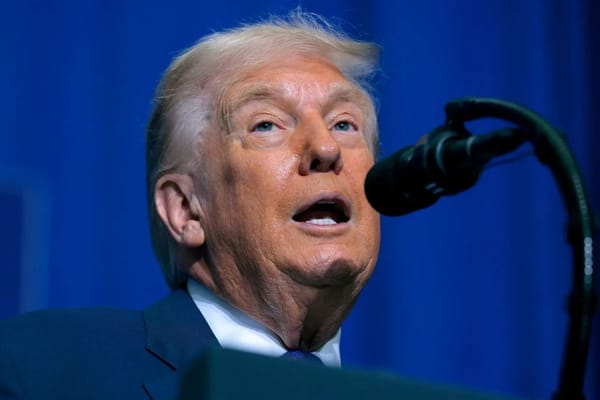
CES 2026 Goes All-In on AI, Led by Nvidia CEO Jensen Huang

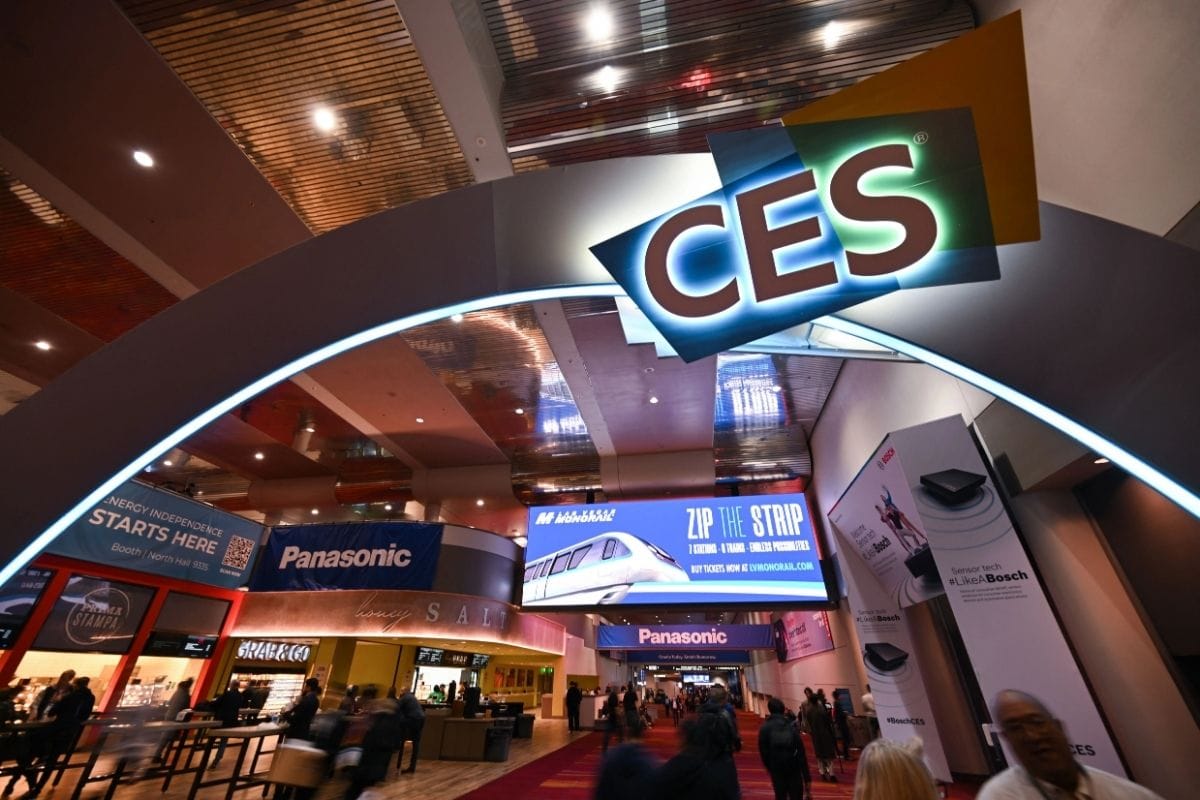
For years, the Consumer Electronics Show (CES) in Las Vegas was known for strange, sometimes amusing inventions that grabbed headlines but rarely changed everyday life. From novelty gadgets to over-the-top concepts that never quite made it to market, CES often felt more like a tech carnival than a serious industry moment. This year feels different.
As CES prepares to open its doors on January 5, the world’s attention is fixed not on gimmicks, but on artificial intelligence and on the man many believe is shaping its future: Nvidia CEO Jensen Huang.
When Huang steps on stage to deliver the opening keynote, it won’t just mark the start of another tech conference. It may signal the next major phase of the AI era.
Jensen Huang’s Keynote Sets the Tone for a New AI Era
Jensen Huang is no stranger to CES. He has been attending the event for nearly 25 years, sometimes quietly and sometimes as its most anticipated speaker. Last year, his keynote hinted at how deeply AI would reshape computing. This year, expectations are much higher.
Industry sources say Huang will outline a clear roadmap for how Nvidia’s full technology stack, chips, software, data centers, and physical systems will power what many are calling the next industrial revolution.
Analysts believe his message will go beyond generative AI tools like chatbots. Instead, Huang is expected to focus on “physical AI” systems that interact with the real world, from robots and autonomous machines to smart factories and connected homes.
“This is not just a tech keynote,” said Wedbush analyst Dan Ives. “It’s a strategic direction for the entire AI ecosystem. Everyone is watching investors, governments, companies, and consumers.”
In short, Huang’s speech is expected to set the agenda not just for CES, but for how AI rolls out across industries in 2026 and beyond.
From Gimmicks to Global Impact: How CES Has Changed
CES has come a long way from showcasing novelty inventions that made people laugh more than think. This year’s event reflects a major shift: AI is no longer experimental or futuristic; it’s here, working, and scaling fast.
According to Harvard economist Jason Furman, artificial intelligence accounted for as much as 92% of U.S. GDP growth in the first half of 2024. That alone explains why CES now carries enormous economic weight.
What’s being shown in Las Vegas isn’t about “what might be possible someday.” It’s about tools, systems, and products already being deployed in real businesses and homes.
This shift is why CES is no longer just a consumer electronics show; it has become a global AI summit.
Nvidia’s Outsized Influence on the Global Economy
Anything Jensen Huang says carries real-world consequences. Nvidia is no longer just a chip company—it’s the backbone of the AI economy.
With a market value of roughly $4.6 trillion, Nvidia is now worth more than the entire economy of some major nations. Its hardware powers data centers, cloud platforms, research labs, and increasingly, everyday consumer devices.
Experts estimate that global AI spending could reach $3 to $4 trillion over the next three years. Decisions Nvidia makes about data centers, robotics, and AI infrastructure will determine where much of that money flows.
That’s why Huang’s focus on physical AI matters. It expands AI’s role from software running in the cloud to machines that move, see, and act in the real world.
Healthcare, manufacturing, transportation, and agriculture industries that once felt distant from consumer tech are now deeply tied to the AI conversation happening at CES.
Competition Heats Up as AMD and Others Step In
Nvidia may dominate the AI market, but it won’t have the CES spotlight to itself.
AMD CEO Lisa Su is also scheduled to give a keynote. Over the past decade, Su has transformed AMD from a struggling chipmaker into a serious competitor, pushing its market value past $200 billion.
While AMD still trails Nvidia in AI accelerators, Su is expected to announce new chips designed for companies looking for alternatives to Nvidia’s high-priced GPUs. For businesses worried about cost and supply, those options matter.
The presence of strong competitors adds tension and excitement to CES. It also signals a healthier AI ecosystem, one where innovation isn’t controlled by a single company.
Physical AI Takes Over the Show Floor
Walking the CES floor this year, one theme will be impossible to miss: AI is moving out of data centers and into the physical world.
Hyundai will showcase humanoid robots designed for industrial and service roles. Boston Dynamics is expected to demonstrate new autonomous systems with advanced decision-making abilities. Samsung plans to unveil what it calls an “AI living ecosystem,” including refrigerators that track food, suggest groceries, and reduce waste.
LG, Intel, Lenovo, and AMD are all positioning their hardware as the foundation for this shift devices that don’t just compute data but understand and act on it.
This is where CES truly changes. Instead of “smart” devices reacting to commands, companies are presenting machines that anticipate needs, adapt to environments, and operate independently.
CES 2026 Isn’t About the Future—It’s About Now
For decades, CES was about imagining what technology might look like someday. This year, it’s about what’s already happening and how fast it’s accelerating.
The big question is no longer whether AI will transform daily life. That debate is over. The real question now is how quickly it will happen, and who will lead the way.
With Jensen Huang opening CES and AI woven into nearly every booth and keynote, the message is clear: artificial intelligence is no longer a side attraction. It’s the main event.