Costco Sues Over Trump Tariffs, Seeking Billions in Refunds
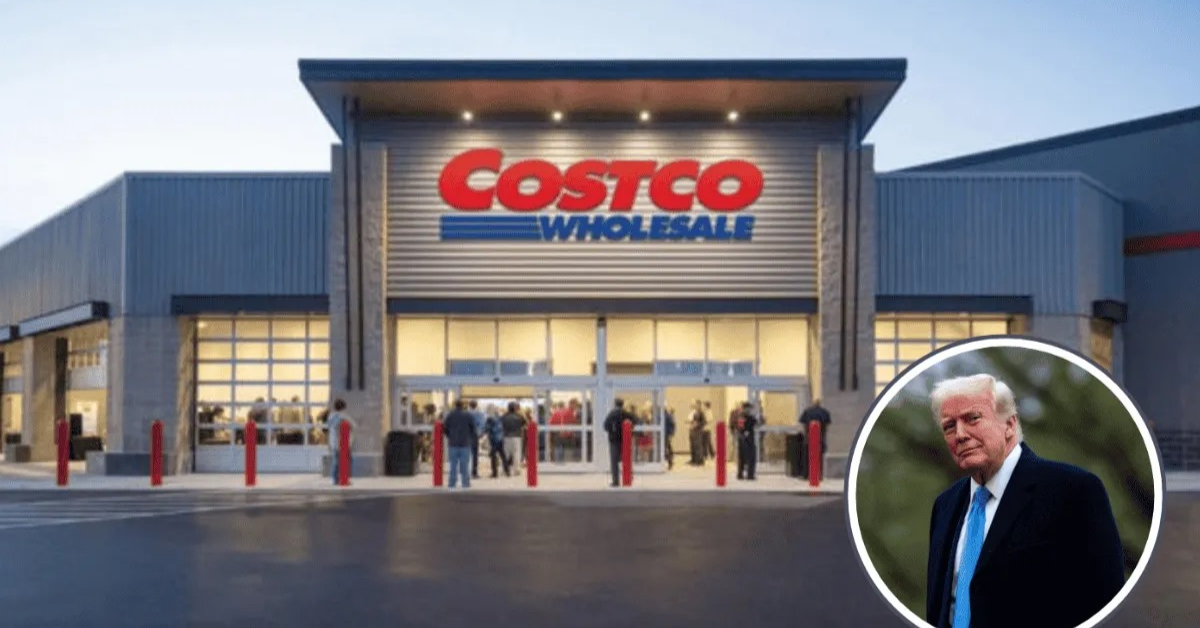
In a dramatic legal gambit, Costco seeks refunds and challenges sweeping import duties, setting the stage for a collision between commerce and constitutional law.
Late in November 2025, the warehouse-club giant Costco quietly filed a lawsuit in the US Court of International Trade, demanding refunds for the tariffs it paid under sweeping global import duties imposed earlier this year by presidential order. The suit argued that tariffs were collected under an act meant for sanctions and that businesses now risk being left out in the cold unless they act upon it.
Costco’s move reflects rising panic in boardrooms over liability, uncertainty, and the costs of doing business in a climate where policy and commerce collide abruptly. The retail chain also claims that the US Customs denied its request to extend the statutory liquidation deadline, pushing them to ask the court to freeze tariff calculations until the legal dust settles.
With the shelves stocking hundreds of imported items, from electronics and clothing to fruit and everyday goods, the tariffs have affected a broad cross-section of Costco’s supply chain. Though the company said it avoided raising prices on staple items like fresh produce, American consumers already felt ripples through tighter margins and rising worries about future cost shocks.
What Trump Did And What the Courts Think of His Tariff Strategy
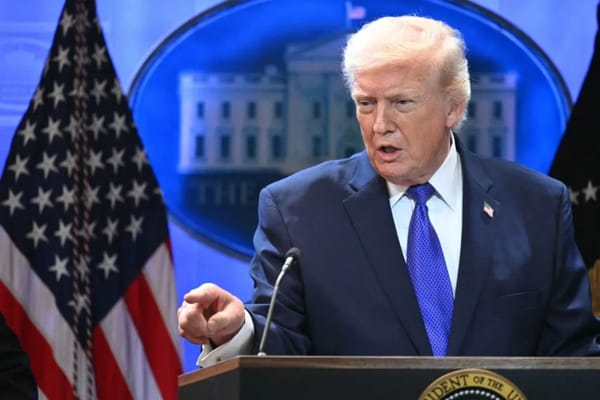
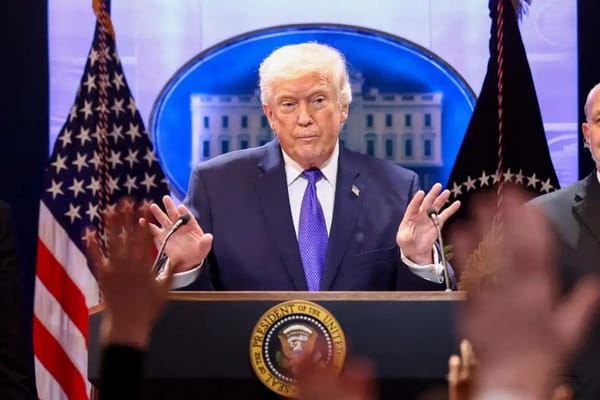
The tariffs Costco is challenging stem from executive orders issued by President Trump under the International Emergency Economic Powers Act (IEEPA), passed in 1977 to grant the president limited powers during national emergencies. But this time, the orders imposed sweeping import duties on a wide array of goods, a move that stretches the law far beyond its original intent.
This year, those IEEPA-based “global tariffs” sparked a wave of lawsuits. In one early landmark case, V.O.S. Selections, Inc., a small wine and spirits importer, won a ruling in May 2025 from the US Court of International Trade, which held that the tariffs exceeded the president’s authority and violated constitutional limits on delegation of power.
The court concluded that long-standing trade deficits and imports cannot be treated as an unusual and extraordinary threat under IEEPA, and that Congress alone holds the authority to impose wide-ranging duties under the Constitution’s Article I provisions.
After that ruling, the government appealed, but the legal fight had accelerated, as the administration had asked for an emergency review. The matter was consolidated and heard by the United States Supreme Court in early November 2025.
Why Costco’s Lawsuit Matters For Retailers and Global Trade
The case forces a broader question about who decides trade policy, and under what authority? If the Supreme Court upholds the lower-court decisions, then the sweeping tariff regime could be dismantled entirely, threatening revenue for the government but also delivering major relief to import-heavy businesses and consumers facing higher prices.
On the other hand, if the Court sides with the administration, it could reshape trade law for decades, giving the executive branch power to impose sweeping duties unilaterally, at least in certain economic or geopolitical circumstances. That would represent a shift in power away from Congress, potentially altering how trade is regulated, who affects supply chains, and what costs fall on businesses and consumers.
For large retailers like Costco, the stakes are existential, as their business models rely heavily on imports, global supply chains, and predictable costs. These tariffs, at times steep and unpredictable, risk turning stable operations into legal and financial minefields. By suing now, Costco aims to recover what it paid and also to preserve the model that underpins its core business.
The Avalanche Effect
Costco is not alone, as companies large and small, including food producers, auto parts suppliers, and consumer-goods firms, have filed similar suits seeking to preserve rights to refunds if tariffs are struck down.
Among them are Revlon, EssilorLuxottica, Bumble Bee Foods, Kawasaki Motors, and Yokohama Tire Corporation, with many citing the same concern that the government should not keep funds assessed under an authority that courts have found to be invalid.
By stepping into battle, Costco has lent weight and visibility to what until recently was a niche legal fight, bringing alive the possibility that thousands of businesses, small and large, may be indirectly impacted by the outcome. The fiscal implications, both for companies and for the US Treasury, could run into the tens or hundreds of billions, depending on how liability and refunds are handled.
Legal, Economic and Political Flashpoints
Several developments over the next few months will determine whether the grand gamble by Costco and many others pays off.
First, if the Supreme Court ruling rejects the tariffs, companies will push for refunds, and the tariff regime could crumble before collapsing. But if it upholds them, businesses will need to restructure supply chains, pricing, and sourcing strategies quickly.
Second is also the issue of liquidation deadlines. Customs officials have denied requests to extend the deadline for final tariff calculations, meaning that many importers must seek judicial relief from the mechanics of administration. Costco’s lawsuit specifically challenges those procedural deadlines.
Third is the impact on consumers, as for retailers, absorbing or passing on tariff costs is a delicate balancing act. Some companies have already quietly raised prices, whereas others warn that further hikes may be unavoidable, but if tariffs are invalidated and refunds are granted, then lower prices may follow, but only if those savings are passed on.
Finally, there is the political fallout too, as the Congress, which traditionally holds the power to levy tariffs, may face pressure to reassert control, possibly through the new trade legislation, and for the executive branch, the case may signal whether sweeping economic decisions remain within presidential reach or require congressional backing.
Retail Muscle Meets Constitutional Limits
Costco’s lawsuit shows a moment of reckoning for thousands of import-dependent businesses, and also for the balance of power in US trade policy.
In the case of consumers and companies alike, the impact on prices, access to goods, supply-chain stability, and even the ability to plan for the future are dependent on the consequences of this episode, thus propelling this to become a defining moment in the future of American commerce and constitutional limits.