Deadly Shooting Near White House Redefines the Security Sanctuary Line

A sudden act of violence outside the halls of power turns into a national reckoning over who belongs, who protects, and whether America’s promises still hold.
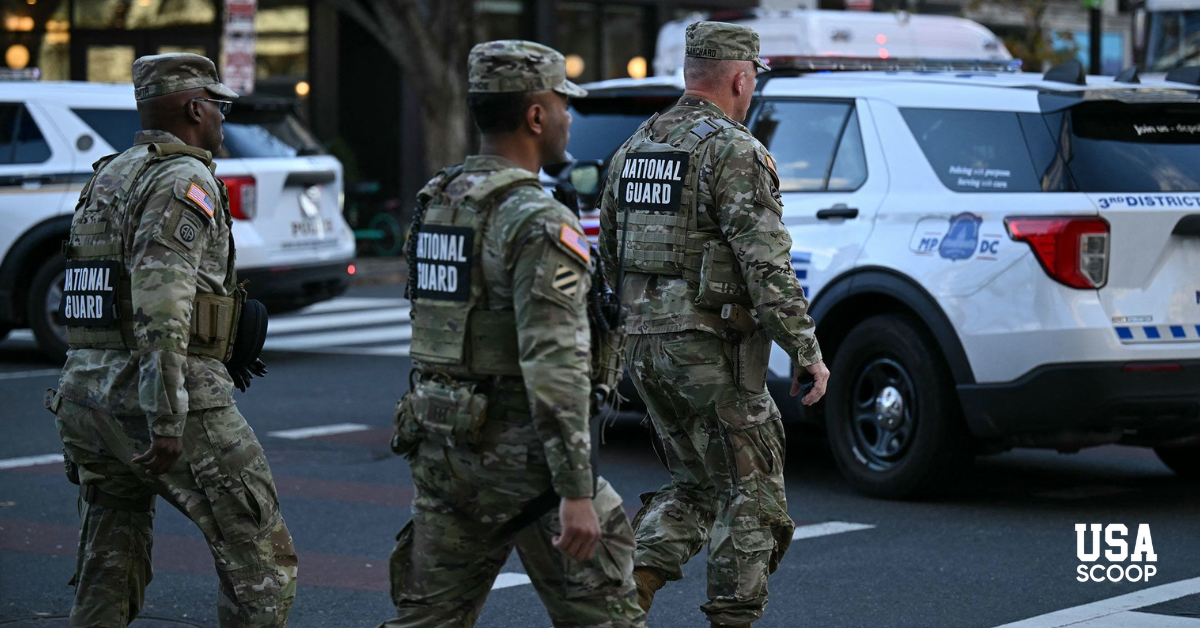
On the afternoon of 26 November 2025, a normal patrol near the nation’s capital, part of a controversial deployment of National Guard troops to Washington, turned into a scene of horror.
Around 2:15 p.m., a lone gunman, later identified as Rahmanullah Lakanwal, opened fire near Farragut Square, just two blocks from the White House. The bullets struck two young soldiers, 20-year-old Specialist Sarah Beckstrom and 24-year-old Staff Sergeant Andrew Wolfe, both from the West Virginia National Guard.
Described by prosecutors as an ambush, a sudden, unprovoked act, the shooting set off a cascade of responses. Beckstrom later died of her wounds, but Wolfe remains in critical condition. The suspect was wounded and taken into custody, while the area was secured, and a federal investigation was immediately launched.
Authorities disclosed that Lakanwal had arrived in the US under a resettlement program in 2021 and had previously worked with forces supported by the Central Intelligence Agency during America’s war in Afghanistan.
That history added an alarming layer to the case, i.e. a former ally turned accused assailant striking at home soil, and across Washington and beyond, the overwhelming feeling of shock turned quickly into outrage, grief and political manoeuvring.
Immigration, Vetting and a National Security Reckoning
Almost immediately, the shooting transformed into a national flashpoint over immigration and the fragile balance between sanctuary and security.
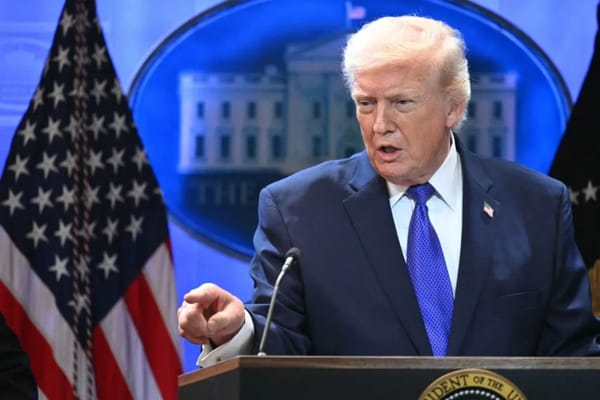
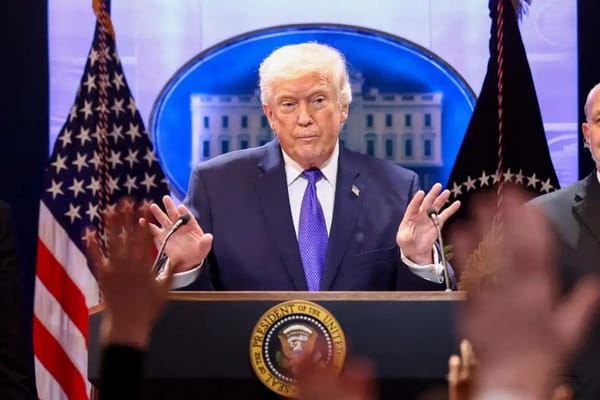
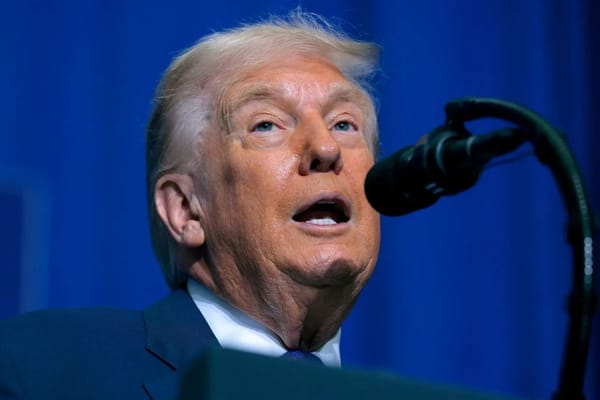
President Donald J. Trump, in his address following the attack, called it an act of terror, condemned failures in previous vetting protocols, and ordered a sweeping re review of asylum approvals, refugee resettlements and green cards, especially focusing on immigrants from countries the administration labels “of concern.”
The message was as political as it was immediate, and the tragedy near the White House exposed a perceived weakness, i.e. a risk embedded within the very system meant to offer refuge and redemption. The shooting reopened questions for many people about how the United States manages migration, secures its borders and honours its own promises.
Skeptics also worry that in response to one horrific crime, the nation may adopt sweeping policies that punish entire communities for the acts of a single individual, and the weight of collective suspicion bears heavily on immigrants who came believing in renewal, safety and inclusion.
Young Lives, Lost Futures, and a Nation in Shock
The victims were among the newest recruits, Guard members barely into their routine duty, who were deployed to protect a city already under unprecedented levels of military presence.
Beckstrom and Wolfe were young, recently sworn in, with futures ahead of them and lives built around service to the nation. But their names now stand in a litany of sorrow, making abstract debates about security personal for the masses.
Families of the victims are grieving, and the National Guard’s decision to deploy forces widely across American cities, under a controversial crime emergency order earlier this year, has come under renewed scrutiny.
In immigrant communities, especially those linked by nationality to the suspect, fear has spread pretty well quickly. Those who resettled under legal programs are now worrying that their own papers may not offer safety.
Long-term residents, families with children born in the United States, also suddenly feel vulnerable to scrutiny and revocation. The psychological burden of being seen, not as individuals, but as representatives of origin, may have a lasting impact beyond any headline.
The Shape of National Debate
Within hours of the shooting, Washington had shifted into a crisis mode.
Federal agents executed search warrants across multiple states, including the suspect’s last known address, seizing devices, questioning associates, and probing motives.
The investigation was treated as a potential act of terrorism, and the public announcements were swift.
For the Trump administration, the moment was an opening, as the tragedy provided a political cover to expand immigration restrictions, halt certain asylum processes, and deepen vetting protocols that are already in place.
Meanwhile, in the context of immigrant-rights groups, civil liberties advocates, human rights organizations and concerned citizens, the shooting raised alarm bells about the collective punishment, sweeping policies and the erosion of due process safeguards.
In communities across the country, defenders of the American ideal, that of refuge and second chances, found themselves on the front lines of a new cultural and legal battleground.
Why This Incident Changes the Rules
This attack arrives at a moment when the United States is already wrestling with fundamental questions about national identity and about how the state balances security and sanctuary in a world of porous borders and complex loyalties.
It exposes fractures in trust between immigrants and institutions and also between history and the evolving definition of who belongs to America and who doesn’t.
What happens in the next few days and weeks will hold great influence, as the focus will shift, inevitably, from grieving to legislation, about how immigration is regulated, asylum is granted, and how the background of those entering the country is assessed as well.
The vetting process, once designed to protect, may increasingly be viewed as a filtering gate, where origin becomes a risk for many people.
If the response is measured, there remains a path for balancing security and fairness, but if fear transforms into a sweeping policy, then this shooting could mark the commencement of a more defensive and isolated America.
The murder of Specialist Sarah Beckstrom, the wounding of Staff Sgt Andrew Wolfe, and the arrest of a former Afghan paramilitary operative are facts that will be etched into history, but more enduring perhaps will be the choices made in their aftermath.
Will the United States reaffirm its commitment to individual justice, civil rights and the idea that one crime does not define many? Or could this moment be used to redraw the boundary between welcome and suspicion, where entire communities are forced to answer for the acts of one man?
In that choice lies a test for the character of American democracy itself, and whether it clings to ideals or bends to fear the powers that govern them currently.