DOGE Shutdown: Inside the Sudden End of Trump and Musk Government Efficiency Push
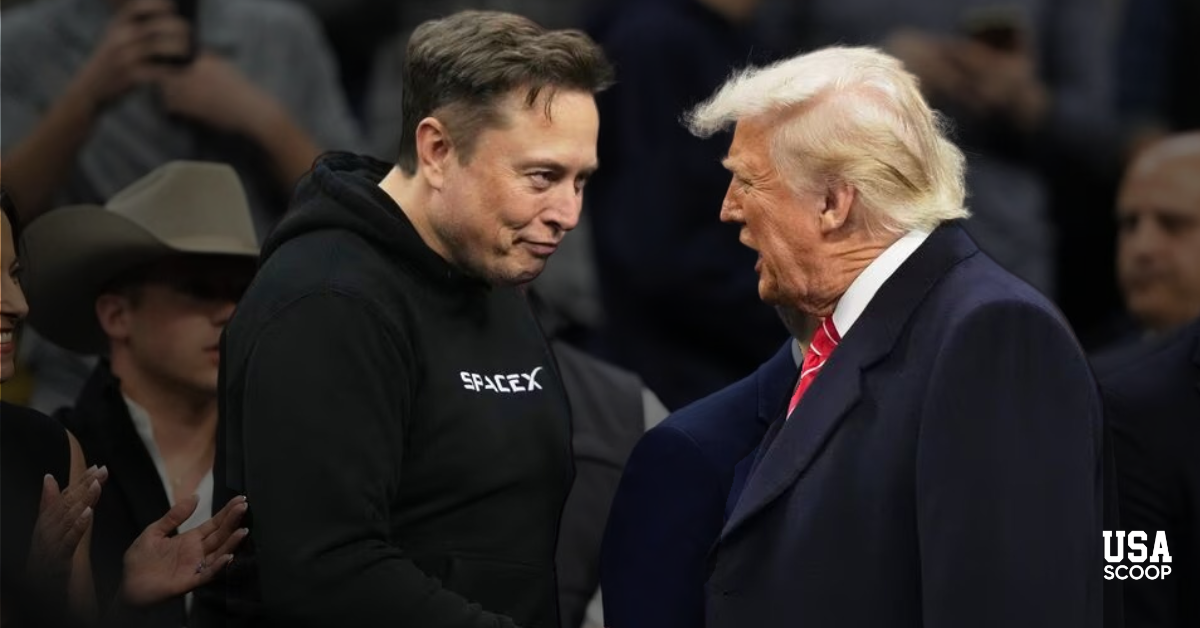
The Department of Government Efficiency, launched with fanfare and led by Elon Musk, quietly ceased to exist eight months before its charter ended, raising questions about what was achieved and why it was dismantled.
The Trump administration’s launch of the Department of Government Efficiency in January 2025 came with bold ambition and public spectacle.
Positioned as a sweeping vehicle to modernise federal bureaucracy, slash costs, and centralise federal reform, the agency promised dramatic change, but less than a year later, the organisation has effectively disappeared.
As the Office of Personnel Management Director Scott Kupor told Reuters, “That doesn’t exist” when asked about DOGE’s functioning, and he added that it had ceased being a centralised entity. The agency’s official charter was scheduled to expire in July 2026, yet the decision to pull the plug now says as much about internal failure as it does about shifting political priorities.
The Fanfare, the Figures, and the Fallout
At its launch, the public narrative described DOGE as a lean machine that would identify and eliminate waste, overhaul IT, cut redundant programs, and deliver savings of up to US$1 trillion.
The leadership was high-profile, with early involvement from Elon Musk and other tech industry figures lending it an aura of disruptor-in-chief.
However, closer examination revealed a stark gulf between aspiration and delivery, as internal memos and public reporting pointed to overstated savings numbers, lack of disclosure, and minimal transparency in auditing.
By mid-2025, key staff began resigning or transferring, and eight core members left over six months. The result was a staff exodus, orphaned initiatives, and a shrinking presence that quietly faded rather than exploding in reform.
Absorption, Not Success
Though no formal announcement accompanied DOGE’s winding down, the mechanics of its dissolution are visible in government filings. According to Reuters, many of its functions were absorbed by OPM and other agencies rather than phased out entirely.
Internal documents show teams shifting into HHS, the State Department, and a newly minted National Design Studio.
The merit of these moves clarifies that the optics of a once-promoted agency dissolved into the machinery it was meant to overhaul. The White House responded to questions by reaffirming the mission to reduce waste but declined to confirm DOGE’s formal end.
On its face, the fate of one government agency might appear as internal bureaucracy.
But in this case, the stakes are higher. The initiative carried a political undertone, as it was a flagship reform effort, part policy, part messaging, part brand. Furthermore, the programme touched real lives, as federal workers, agency budgets, IT systems, and regulatory burdens were all implicated.
And, in a broader sense, this story shows how reform ambitions clash with institutional inertia, and how disruptive leadership does not always equate to sustainable change.
The Silent End of a Big Idea
The most striking part of DOGE’s story is how its demise lacked fanfare.
The image of Musk brandishing a chainsaw at a February press event, or declarations of sweeping agency overhauls, are now relics of the past.
Instead of being shut down with ceremony, the office simply faded from visibility and function. The fact that reporters had to ask about DOGE’s status weeks after its charter expiration is telling.
he hiring freeze that DOGE instituted has been lifted, and the office no longer appears in federal agency directories. “[T]he agency no longer centralised,” Kupor said.
The absence of a closure memo, the lack of budget reconciliation, and the minimal transparency show the uneven legacy.
Where Did the Promise Go Wrong?
Several factors appear to have undermined DOGE’s trajectory.
Its goals may have been too vast and vague, restructuring massive federal systems, cutting trillions, transforming culture in less than a year. The agency suffered leadership instability, as Musk’s role, whether formal or informal, harboured confusion, and staff turnover further created instability.
It also struggled with deliverables, as auditors and watchdogs had flagged savings claims as exaggerated, and critics had argued that the cost of disruptions and rehiring may have eclipsed the touted benefits.
But most importantly, the political wind shifted, as mid-2025 brought other priorities, budget pressures and institutional resistance that appeared to cut the legs out from under the initiative.
The Legacy and What Comes After
Though DOGE as a unit is gone, its legacy continues to stay as the elements of its mission, IT modernisation, regulatory review, and cross-agency data integration, will live on through other parts of government.
The fact that states such as Florida and Idaho are creating their own DOGE-like entities shows the idea remains attractive at sub-federal levels.
Yet the reality is that dismantled agencies leave unanswered questions, whether any of the announced programmes were completed, savings were realised and documented, and did the disruption outweighed the benefit yielded from it?
The public may never receive full clarity because grand-scale reform often spreads at the speed of politics rather than verification.
The story of DOGE is a cautionary tale about ambition and execution in government.
A reform agency dissolving ahead of schedule, without public reckoning, highlights institutional fatigue and possibly misplaced leadership.
The cost is the trust in the government's ability to reform itself.
Five years from now, the record of DOGE may read as a footnote in bureaucracy, but the concerns it poses about scale, accountability and vision stay central to how governments attempt to transform in challenging times.