DOJ Opens Criminal Probe Into Fed Chair Jerome Powell Amid Trump Clash
The head of America’s central bank is now at the center of a growing political and legal storm.
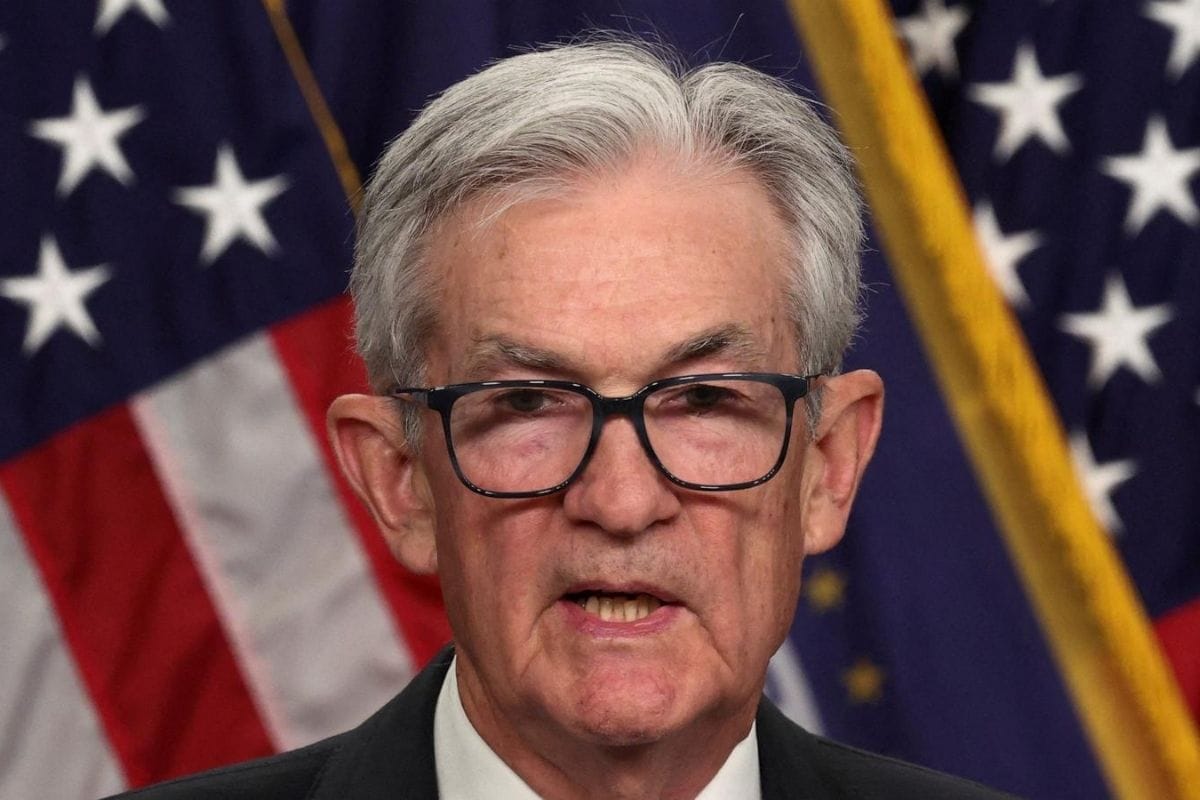
Federal prosecutors have opened a criminal investigation into Federal Reserve Chair Jerome Powell, a move Powell himself described as “unprecedented” and deeply troubling for the future independence of the nation’s monetary policy. The probe, announced publicly by Powell on Sunday, follows months of open tension between the Fed chief and President Donald Trump over interest rates and economic policy.
In a video statement, Powell said the US Justice Department has served subpoenas related to testimony he gave before a Senate committee concerning renovations to Federal Reserve buildings. Prosecutors, he said, have even raised the possibility of criminal charges connected to that testimony.
Powell made it clear he believes the investigation is politically motivated.
“This is about whether the Federal Reserve will continue to set interest rates based on evidence and economic conditions,” Powell said, “or whether monetary policy will instead be directed by political pressure or intimidation.”
A clash years in the making
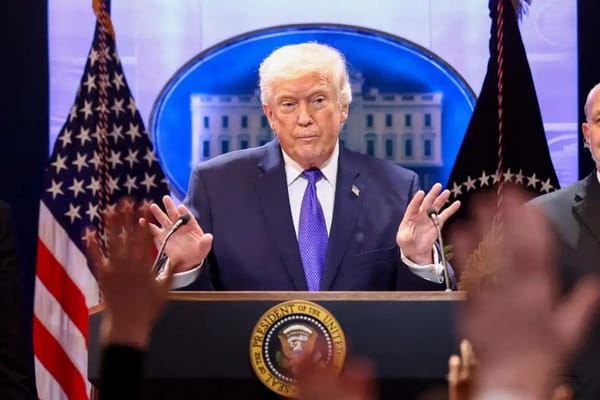
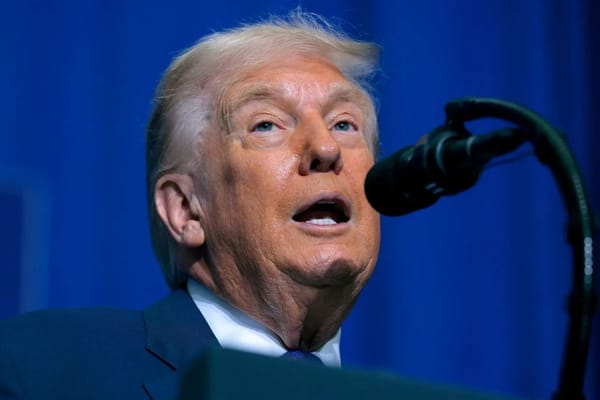
Powell has long been a frequent target of President Trump’s frustration. The president has repeatedly criticized the Fed chair for refusing to slash interest rates as aggressively as Trump wanted, despite the Fed cutting rates three times in the second half of 2025.
Trump has blamed high interest rates for inflation and rising costs for American families, often pointing fingers at Powell and, by extension, the Federal Reserve rather than his own policies.
While presidents often disagree with the Fed, Powell’s supporters argue that Trump has crossed a line by publicly threatening to remove the Fed chair and, now, by presiding over an administration whose Justice Department is investigating him.
Powell said the timing and nature of the probe raise serious questions.
“No one is above the law,” he acknowledged, “certainly not the chair of the Federal Reserve. But this action must be seen in the broader context of ongoing threats and pressure.”
Lawmakers react with alarm
Reaction from Capitol Hill was swift and sharply divided, though concern about the Fed’s independence cut across party lines.
Republican Senator Thom Tillis of North Carolina, a member of the Senate Banking Committee, said he would block any future nominations to the Federal Reserve Board until the investigation into Powell is resolved.
“If there were any remaining doubt that advisers within the Trump administration are actively pushing to end the independence of the Federal Reserve, there should now be none,” Tillis said. He added that the credibility of the Justice Department itself is now under scrutiny.
Democrats were even more blunt.
Senator Elizabeth Warren accused Trump of trying to force Powell out so he could install a loyal replacement who would follow White House orders.
“This is a corrupt attempt to take over America’s central bank,” Warren said, warning that such actions could destabilize financial markets and undermine trust in US economic institutions.
Trump denies involvement
President Trump, for his part, denied knowing anything about the investigation.
“I don’t know anything about it,” Trump said in an interview on Sunday. He did, however, take the opportunity to criticize Powell personally, saying the Fed chair was “not very good at the Fed” and “not very good at building buildings.”
The White House and the Justice Department did not immediately comment on the probe.
According to reports, the investigation is being handled by the US Attorney’s Office for the District of Columbia, though prosecutors themselves have not publicly confirmed its existence.
A Pattern of Conflict
Powell is not the only official to face legal trouble after clashing with the Trump administration.
In recent months, Trump’s Justice Department has brought or attempted to bring charges against several political figures who have opposed him. Some of those cases have already been thrown out by the courts.
Trump previously tried to remove Federal Reserve Governor Lisa Cook over alleged mortgage fraud, but a federal court blocked the move. That case is now headed to the Supreme Court.
Other prosecutions involving Trump’s political rivals, including New York Attorney General Letitia James and former FBI Director James Comey, were also dismissed by judges who questioned their legal basis. Both James and Comey have said the charges against them were politically motivated.
Critics argue the pattern suggests a broader effort to use the justice system to intimidate or sideline officials who resist Trump’s agenda.
Why Fed Independence matters
For decades, the Federal Reserve has operated independently from the White House, allowing it to make decisions based on economic data rather than political demands. That independence is widely seen as essential to maintaining stable markets, controlling inflation, and preserving investor confidence.
Economists warn that undermining the Fed could have serious consequences.
“If markets believe interest rates are being set by politicians instead of economists,” one analyst said, “the result could be higher inflation, weaker growth, and greater instability.”
Powell echoed those concerns, saying the stakes go far beyond his own position.
“This isn’t about me,” he said. “It’s about the integrity of our institutions and the trust Americans place in them.”
What happens next
It remains unclear whether prosecutors will ultimately bring charges against Powell or whether the investigation will quietly fade away. However, the mere existence of the probe has already intensified fears about potential political interference in America’s financial system.
Powell, whose term as Fed chair began in 2017 under Trump, has said he intends to continue doing his job unless legally compelled to step aside.
As the investigation unfolds, lawmakers, economists, and investors alike will be watching closely not just for its outcome, but for what it signals about the balance of power between the White House, the Justice Department, and one of the most important economic institutions in the world.
For now, one thing is clear: the battle over the Federal Reserve’s independence has entered uncharted territory.