DOJ Probes Netflix as Monopoly Fears Grow Over $73B Warner Bros Deal

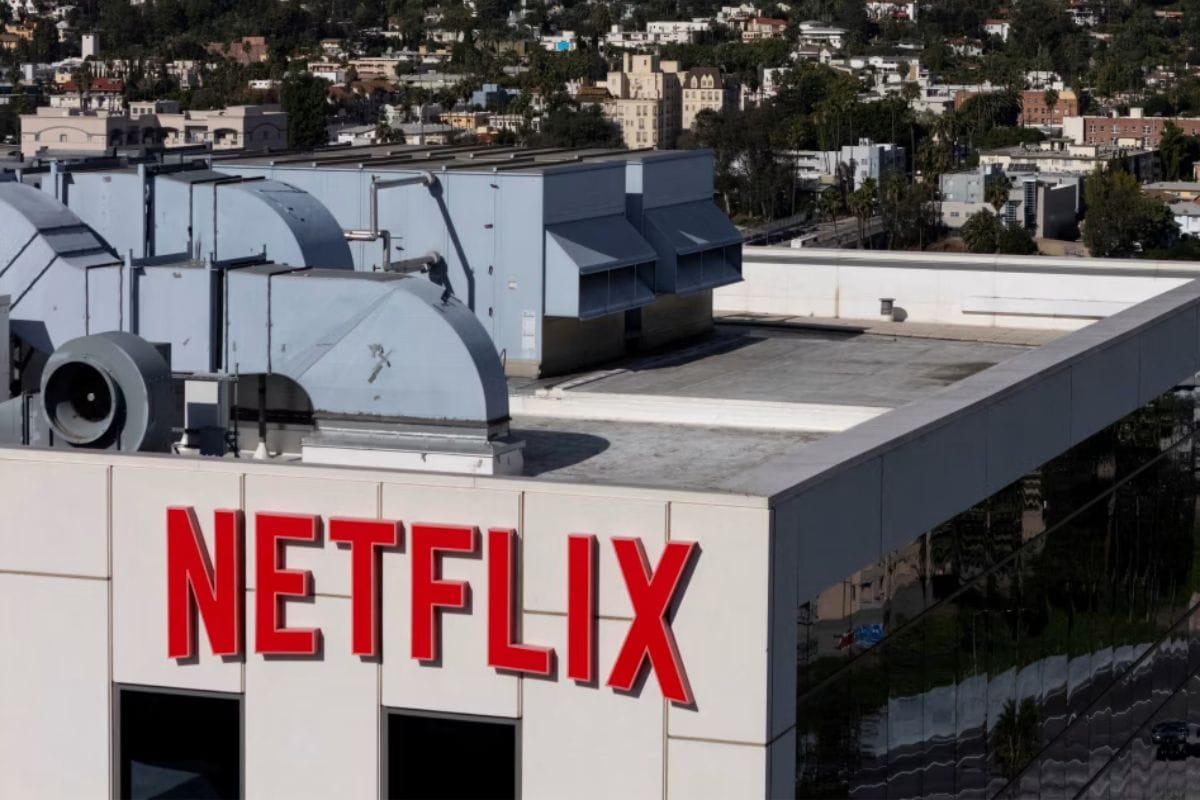
Netflix is facing one of the most serious challenges in its history, and it’s not coming from a rival streaming service. The U.S. Department of Justice has quietly launched a sweeping review of Netflix’s business, probing whether the streaming giant has become an anticompetitive monopoly just as it tries to pull off a blockbuster $73 billion deal with Warner Bros. Discovery.
The investigation goes well beyond a routine merger review. According to people familiar with the matter, federal regulators are examining Netflix under the toughest section of U.S. antitrust law, asking whether the company holds too much power over streaming prices, content distribution, and consumer choice.
If the government decides Netflix has crossed the line, the consequences could be massive, not just for the Warner Bros. deal, but for how streaming works in America.
Why the DOJ Is Paying Attention Now
Netflix already sits at the top of the streaming world. In the U.S., it has more than 80 million subscribers. Globally, that number exceeds 300 million. For many households, Netflix isn’t just a streaming service it’s the default place to watch TV.
Now the company wants to buy Warner Bros. Discovery’s studios and streaming business, including HBO Max. That would put some of the most valuable franchises in entertainment history under one roof, from prestige TV dramas to blockbuster movie brands.
Regulators aren’t just asking whether this deal would reduce competition. They’re asking a bigger question: has Netflix already become so dominant that it can shape the market to its own advantage?
That concern has been building for months inside Washington. Lawmakers and regulators worry Netflix can raise prices without fear, squeeze competitors for talent, and control which voices and stories reach the public.
A Broader Monopoly Probe
What makes this case unusual is that the Justice Department appears to be looking at Netflix’s entire business, not just the Warner deal.
Sources say the DOJ has opened a review under Section 2 of the Sherman Act, the law used to challenge monopolies that abuse their power. That kind of probe is rare and serious. It focuses on whether a company uses its dominance to block competition, entrench its position, or harm consumers over time.
As part of that effort, regulators are reportedly examining Netflix’s pricing power, its relationships with creators, and whether its scale makes it harder for rivals to survive.
Netflix, for its part, says it hasn’t been notified of any such investigation beyond the standard merger review. The company insists it is cooperating fully and denies operating as a monopoly.
Capitol Hill Scrutiny Adds Pressure
The investigation gained momentum shortly after Netflix CEO Ted Sarandos testified before a Senate antitrust panel. Lawmakers from both parties pressed him on whether Netflix’s size gives it too much influence over the entertainment industry.
Conservative senators raised concerns about cultural power, arguing that Netflix could use its dominance to push a narrow range of viewpoints. Others focused on pricing, questioning whether consumers are slowly being boxed into fewer choices at higher costs.
Netflix argued that the streaming market is still highly competitive, pointing to platforms like YouTube, social media, and other streaming services. Executives also noted that many Warner Bros. Discovery customers already subscribe to Netflix, suggesting the merger wouldn’t dramatically change the competitive landscape.
But skepticism remains. Regulators aren’t convinced that casual video platforms truly compete with long-form scripted entertainment in the same market.
Paramount Looms in the Background
Netflix isn’t the only company interested in Warner Bros. Discovery. Paramount has made a competing bid for the company and argues its proposal would face fewer regulatory hurdles because there’s less overlap between the businesses.
That argument hasn’t gone unnoticed. Justice Department officials are reportedly weighing whether Warner Bros. would harm competition regardless of who buys it or whether Netflix’s size makes it a uniquely risky buyer.
If regulators conclude Netflix already wields monopoly-level power, they could block the deal outright or demand major concessions.
What This Means for Consumers
For everyday viewers, the stakes are real. Regulators worry that fewer major players could mean higher prices, fewer creative risks, and less diversity in programming.
Netflix subscriptions have steadily risen in price over the years. Critics argue the company can increase fees without losing customers because there’s no true substitute for its massive library and global reach.
Supporters of Netflix counter that the company invests billions in content and technology, driving innovation across the industry. They say blocking growth would punish success rather than protect consumers.
A Long Road Ahead
Even if the DOJ decides to pursue a formal case, this process will take time. Antitrust investigations often stretch for months or even years. International regulators would also need to approve any Warner deal, adding more complexity.
For now, Netflix finds itself in an unfamiliar position, not as the disruptor shaking up old media, but as the dominant force under scrutiny.
Whether this moment becomes a defining legal battle or just another regulatory hurdle remains to be seen. But one thing is clear: Netflix’s future growth won’t come without a fight.
As streaming reshaped entertainment, regulators largely stood back and watched. That era may be coming to an end.