Donald Trump Signs Epstein Files Act, but Loopholes Cloud Disclosure

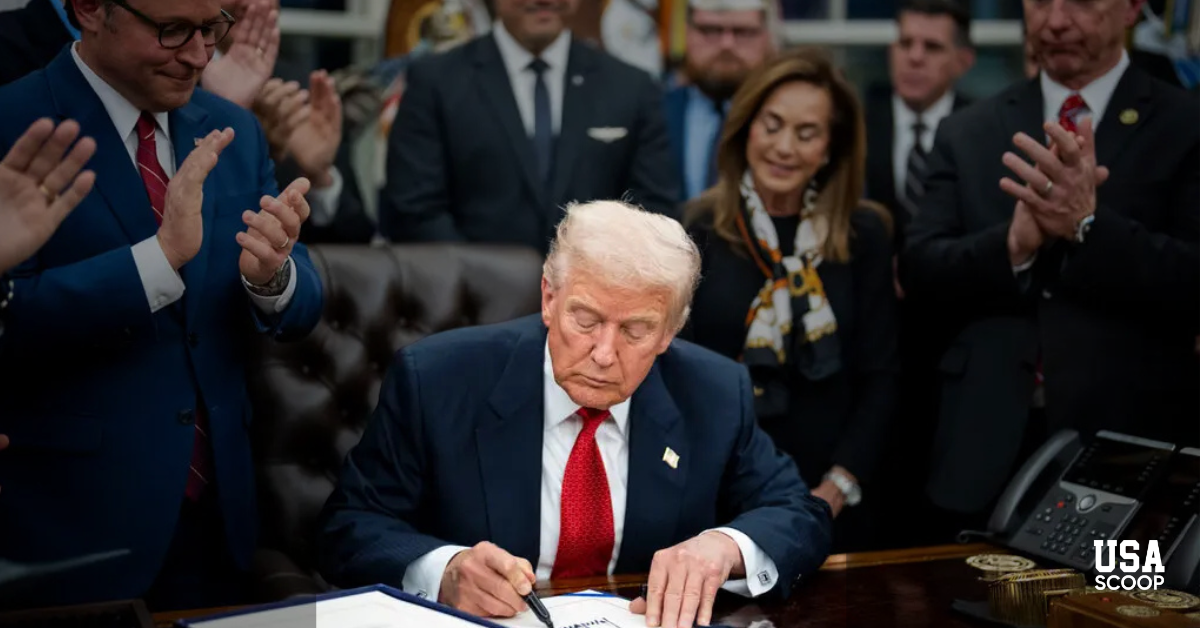
After years of resistance, Trump signed a law forcing the DOJ to release Epstein documents.
President Trump has signed legislation compelling the Justice Department to publish records on Jeffrey Epstein, yet major loopholes keep full disclosure in doubt.
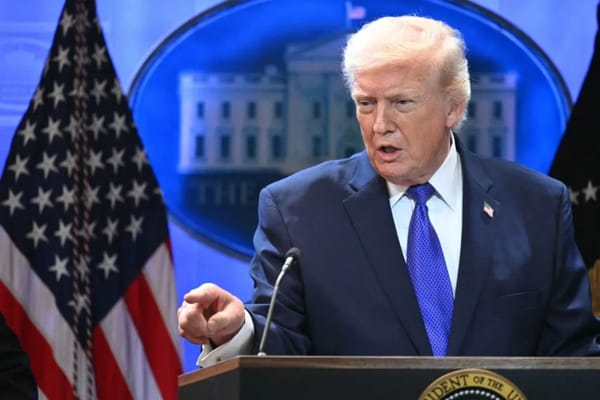
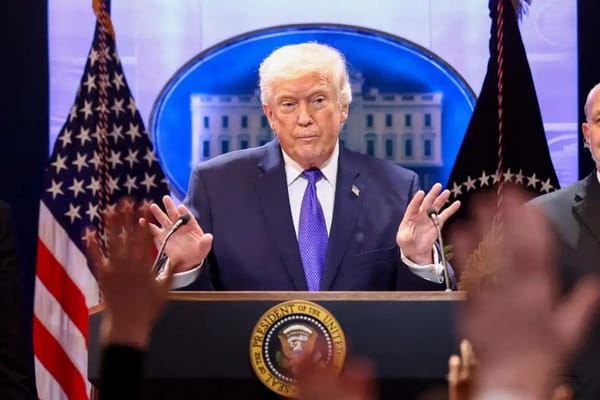
On November 19, 2025, in a move that caught many by surprise, President Donald Trump signed into law a bill demanding that the United States Department of Justice (DOJ) release unclassified files related to convicted sex offender Jeffrey Epstein and his wide-ranging network.
After months of resisting, Trump’s shift marks a dramatic turn, but whether the promised transparency will be real remains a matter of intense debate.
What Really Happened
Congress moved swiftly, as the House of Representatives approved the legislation by a staggering 427-1 vote, with only one dissenting vote by Representative Clay Higgins. The Senate then passed the same bill unanimously, clearing it for Trump’s signature.
The law, formally dubbed the “Epstein Files Transparency Act”, requires the DOJ to publicly disclose all unclassified records, documents, communications and investigative materials in its possession related to Epstein within 30 days of enactment.
These include files from federal prosecutors and the FBI.
However, the law also carves out several major exceptions.
The DOJ may withhold material that is classified, would reveal identities of victims, involves ongoing investigations or would infringe on grand-jury secrecy. Perhaps most importantly, the legislation prohibits withholding information on the basis of embarrassment, reputational harm or political sensitivity, including for government officials or public figures.
In a social-media post shortly after signing, Trump wrote: “I HAVE JUST SIGNED THE BILL TO RELEASE THE EPSTEIN FILES!” He added that the move would expose the truth about these Democrats and their associations with Jeffrey Epstein and claimed the issue was being used by his opponents as a distraction.
Why This Leak Is a Big Deal
At first glance, this is a major victory for transparency and accountability. Years of sealed records, media pressure, public outrage and survivor demands have culminated in congressional action and a presidential signature. For several reasons, this matters:
These files have been at the epicentre of multiple conspiracy theories and cover-up claims. Public trust has eroded in how high-profile sexual-trafficking investigations are handled.
The release also puts government officials, business leaders and public figures under potential new scrutiny, especially if their names appear in the documents.
Moreover, the speed and decisiveness of this legislation mark a rare moment of overwhelming bipartisan consensus in a deeply polarised era.
But, and this is a big but, the law also sets up a potential standoff.
The exceptions it allows could provide the DOJ with significant discretion to delay or redact key documents. The mere existence of the law doesn’t guarantee full, immediate disclosure. The question now becomes whether the spirit of transparency matches the letter of the law?
What’s Still Hidden
The push to release the Epstein files has been building for years.
Jeffrey Epstein’s 2019 death in custody reignited questions about his network, his associates, the extent of his crimes and the possible involvement of well-connected individuals. Investigations, congressional enquiries and advocacy by survivors increased pressure on government agencies to open the books.
Earlier in 2025, the DOJ itself released a memo stating that it had found no evidence of a client list tied to Epstein and no indication that high-profile individuals had been blackmailed via him. That memo was met with scepticism by many survivors and watchdogs.
On November 12, before the legislative final push, thousands of pages of emails from Epstein’s estate were released by the House Oversight Committee. Some of those documents referenced Trump or claimed association.
What stands out is that Trump for months resisted the calls to release the files, privately and publicly. He spoke of the matter as a “hoax” propagated by Democrats and expressed concern it might implicate allies. Only at the eleventh hour did he shift position and embrace the legislation.
Public's Reaction
Across Washington and beyond, the reactions split into celebration, scepticism and a tug-of-war over what comes next.
Survivors and advocacy groups hailed the bill’s passage as a landmark step. Some issued statements saying this could be the moment long-overdue transparency finally prevails.
Yet in legal and political circles, there are already caution flags.
Analysts note that the 30-day deadline may slip. The DOJ’s language stressed the need to protect victim privacy and safeguard ongoing investigations, which could amount to redacted or heavily edited disclosures.
The enforcement mechanism is weak, as no automatic penalty for failure to comply, leaving oversight toothless unless Congress acts further.
Some Republicans and Democrats warned of a credibility risk.
For Republicans, many supporters have long demanded the files. If the release is partial or slow, it could create deep mistrust among the party’s base. For Democrats, the concern is that the law surfaces names and associations in a chaotic way, potentially abused for political show rather than serious accountability.
Why Americans Should Care
This case is about how power operates in America, how wealth shields behaviour, how institutions protect secrecy and, finally, how accountability is enforced.
If the DOJ actually releases a trove of documents, this could reshape narratives about sexual-trafficking investigations, public-figure accountability and the role of Congress in oversight. Names, flight logs, communications, and dates, once hidden, would now potentially be in public.
Conversely, if the release is partial, delayed or heavily redacted, it could become a symbol of failure, as the legislation is passed, the law has been signed, but the truth could still be obscured.
For citizens, for survivors, for anyone who believes in transparency, the question is whether this becomes closure or yet another delay.
Also, from a political viewpoint, this plays out across several fronts, on Trump’s image, his base’s trust, the integrity of institutions, and the wider question of whether systemic secrecy can be broken.
What the Files Could Reveal Next
President Trump’s signature on the bill to release the Epstein files looks like a milestone, but in politics, signing a law is only the beginning.
The real test lies in what comes next, on how fast the records are released, how complete they are, how protected the victims remain and how significant the revelations turn out to be.
The measure has opened a door. Whether the light from that door will shine brightly or dim behind closed vaults is not yet clear. For now, the promise of transparency is there, but whether the world will see the truth or another iteration of secrecy is the story to watch.