Elon Musk Seeks $134B From OpenAI and Microsoft in Explosive AI Lawsuit
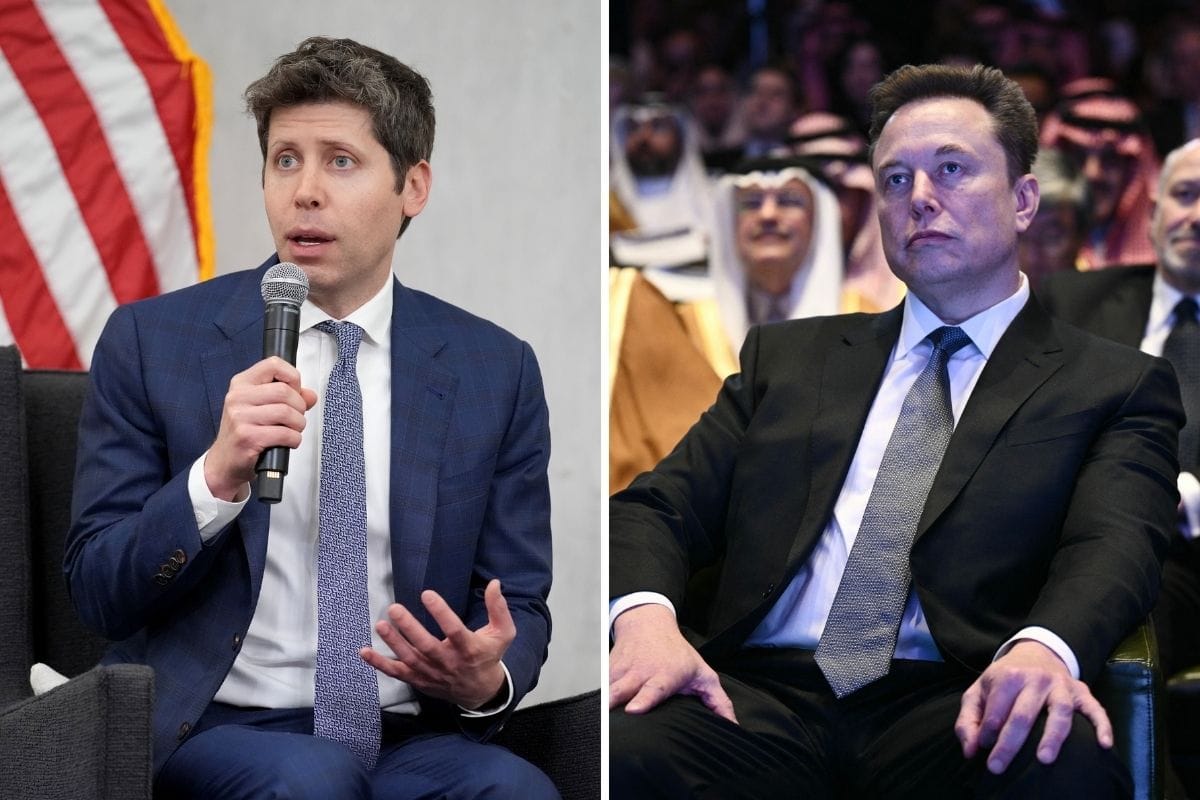
Elon Musk has launched one of the most dramatic legal battles in Silicon Valley history, seeking as much as $134 billion from OpenAI and Microsoft. In a newly filed court document, the billionaire entrepreneur argues that both companies benefited enormously from his early involvement in OpenAI and that those gains now belong, at least in part, to him.
The lawsuit centers on Musk’s role as a co-founder and early backer of OpenAI, back when it was a small, nonprofit research lab with a mission to build artificial intelligence for the benefit of humanity. Musk says that without his money, reputation, and guidance, OpenAI would never have become the global AI powerhouse it is today.
According to the court filing, OpenAI allegedly gained between $65.5 billion and $109.4 billion from Musk’s early contributions, while Microsoft gained an additional $13.3 billion to $25.1 billion. Musk argues that these are “wrongful gains” earned by violating OpenAI’s founding principles.
At the heart of the dispute is OpenAI’s transformation from a nonprofit research group into a for-profit AI company closely aligned with Microsoft, a move Musk strongly opposes.
Musk Says He Was the Founder of OpenAI
Musk’s legal team paints a clear picture: OpenAI, they say, was built largely on Musk’s back.
According to the filing, Musk provided about $38 million, accounting for roughly 60% of OpenAI’s early seed funding. Beyond money, Musk claims he played a key role in shaping the company by recruiting talent, introducing founders to influential contacts, and lending his personal credibility at a time when artificial intelligence startups were still viewed with scepticism.
His lead trial lawyer, Steven Molo, summed it up bluntly: without Musk, there would be no OpenAI.
Musk’s argument goes further than simple reimbursement. He claims that early investors in startups often earn returns many times larger than their original investment and that OpenAI and Microsoft have reaped massive profits precisely because of what he helped build.
From Musk’s perspective, those profits were never supposed to exist in the first place.
The Mission Dispute at the Core of the Case
Musk co-founded OpenAI in 2015 with a specific mission: to develop artificial intelligence safely and openly, without chasing profits or serving corporate interests.
That vision, Musk claims, has been abandoned.
OpenAI’s later restructuring into a for-profit company and its deep partnership with Microsoft are central to Musk’s case. He alleges that OpenAI violated its original promise by prioritizing commercial success over public benefit.
Musk left OpenAI in 2018, years before ChatGPT became a global sensation. Since then, OpenAI has grown into one of the most valuable AI companies in the world, with Microsoft as its most powerful partner and investor.
Musk now runs xAI, a competing AI company behind the chatbot Grok, making him both a former founder and a current rival, a dynamic that adds even more tension to the dispute.
OpenAI Pushes Back, Calls the Case “Unserious”
OpenAI has strongly rejected Musk’s claims, calling the lawsuit “baseless” and part of what it describes as a “harassment campaign.”
The company argues that Musk voluntarily left OpenAI years ago and has no claim to its later success. In its view, Musk is attempting to rewrite history now that OpenAI has become enormously valuable.
Microsoft, meanwhile, has remained largely silent publicly but has challenged Musk’s claims in court. A Microsoft lawyer has argued there is no evidence the company “aided and abetted” any wrongdoing by OpenAI.
Both OpenAI and Microsoft have asked the judge to limit what Musk’s expert witness can present at trial. They claim the financial analysis used to justify the massive dollar amounts is unverifiable, speculative, and unprecedented.
In their words, Musk’s request would amount to an implausible transfer of tens of billions of dollars from a nonprofit-originated organization to a former donor who is now a direct competitor.
A Trial That Could Redefine AI’s Future
Earlier this month, a judge in Oakland, California ruled that Musk’s case will go before a jury. The trial is expected to begin in April, setting the stage for a legal showdown that could reshape how AI companies are structured and governed.
Musk’s filing suggests he may also pursue punitive damages and even seek a court injunction that could limit OpenAI’s operations if the jury finds the company liable. While the filing does not specify what form such an injunction might take, it raises the possibility of significant disruption to OpenAI’s business model.
The financial calculations in Musk’s filing were prepared by economist C. Paul Wazzan, whose analysis OpenAI and Microsoft are now attempting to exclude from the trial.
More Than Money: A Fight Over Control and Ideals
While the dollar figure dominates headlines, this lawsuit is about more than money. It reflects a broader ideological fight over who controls artificial intelligence and for what purpose.
Musk has repeatedly warned that AI could become dangerous if controlled by profit-driven corporations. He argues that OpenAI’s partnership with Microsoft contradicts the ethical guardrails he originally envisioned.
On the other side, OpenAI argues that scaling AI responsibly requires enormous resources resources that only major corporate partners can provide.
The case highlights a growing tension in the tech world: whether AI should remain a public-focused tool or evolve into one of the most lucrative industries on the planet.
What Happens Next
As the trial approaches, both sides are digging in. For Musk, the case represents an attempt to reclaim what he believes is rightfully his and to challenge the direction AI development has taken.
For OpenAI and Microsoft, the lawsuit is a threat not only to their finances but to the legitimacy of their business model.
Whatever the outcome, the case is likely to set a precedent that echoes far beyond Silicon Valley. It could influence how future AI startups are funded, governed, and held accountable to their original missions.
One thing is certain: the battle between Elon Musk, OpenAI, and Microsoft is no longer just a disagreement; it’s a defining moment in the future of artificial intelligence.