Epstein Survivor Maria Farmer Files New DOJ Complaint

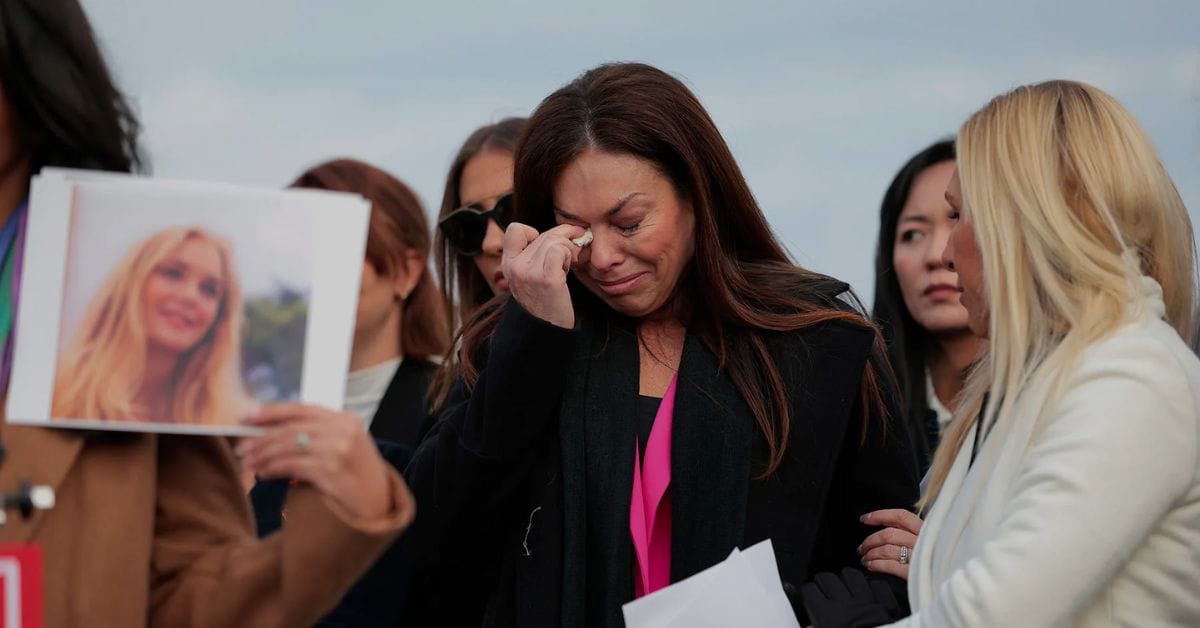
More than two decades after she first tried to warn authorities, Maria Farmer, one of the earliest known survivors of Jeffrey Epstein, has filed a new complaint accusing the U.S. government of failing to investigate her allegations properly and allowing one of the most notorious abuse networks in modern history to continue unchecked.
Farmer, now in her 50s, submitted a formal complaint to the Department of Justice this week, arguing that federal officials ignored her detailed reports in the mid-1990s, long before Epstein became a household name. The complaint alleges that her warnings were dismissed, mishandled, or buried, even as evidence of exploitation mounted.
For Farmer, the filing is not just about Epstein. It is about what she describes as a systemic collapse of accountability that allowed power, wealth, and influence to override justice.
A Warning That Went Unheard
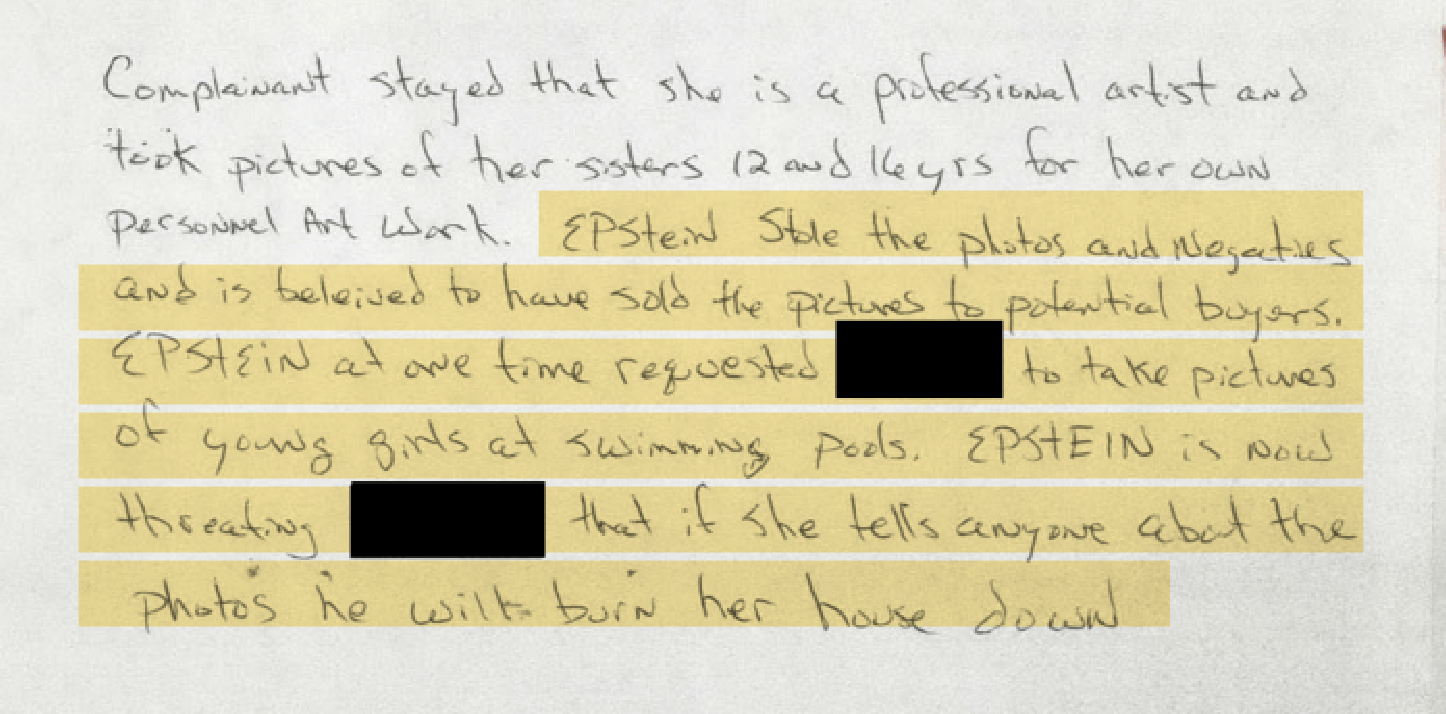
Maria Farmer says she first reported Epstein and his longtime associate Ghislaine Maxwell to authorities in 1996, after she says she was sexually assaulted while working for Epstein. According to her account, she provided names, locations, and specific details, believing federal investigators would act swiftly.
They did not.
Instead, Farmer says she encountered indifference and confusion from officials who appeared unwilling or unable to pursue the case. Her complaint claims that law enforcement agencies failed to coordinate, lost evidence, and failed to protect victims who were trying to come forward.
“It felt like shouting into the void,” Farmer has said previously. “I did what I was supposed to do, and nothing happened.”
The new DOJ filing accuses federal prosecutors and investigators of violating their duty to victims by failing to follow up on her allegations in a meaningful way.
A Pattern of Missed Opportunities
The farmer’s complaint paints a picture of repeated institutional failures. Long before Epstein’s 2008 plea deal in Florida, which critics still cite as one of the most controversial prosecutorial decisions in recent history, Farmer says the warning signs were already there.
Her filing alleges that authorities had enough information to intervene years earlier but chose not to. It also raises questions about whether Epstein’s wealth and connections created an informal shield that discouraged aggressive prosecution.
Epstein was later arrested on federal sex trafficking charges in 2019 but died in a Manhattan jail cell before standing trial. His death was ruled a suicide, though it remains the subject of widespread public scepticism.
For survivors like Farmer, Epstein’s death closed one door while opening another: the question of who else failed them.
Why This Complaint Matters Now
The timing of Farmer’s complaint is significant. In recent months, renewed public attention on Epstein-related records has reignited debate over how the case was handled across multiple administrations.
Farmer’s filing seeks a formal DOJ review of how her original reports were processed and whether misconduct or negligence occurred. Legal experts say such complaints rarely result in criminal consequences, but they can trigger internal investigations and policy changes.
More importantly, advocates argue, they help establish a historical record.
“This isn’t just about the past,” said one victims’ rights attorney familiar with the case. “It’s about whether survivors can trust institutions today.”
The Human Cost of Silence
Farmer’s story underscores a painful reality shared by many survivors of abuse: coming forward does not always bring relief or protection. In some cases, it leads to isolation, retaliation, or years of unanswered questions.
In her complaint, Farmer describes the emotional toll of watching Epstein continue his life of luxury while she struggled to be believed. She also details the long-term psychological impact of feeling abandoned by the very systems meant to protect vulnerable people.
Survivor advocates say her experience reflects a broader pattern in cases involving powerful defendants, where victims are often expected to carry the burden of proof while institutions hesitate.
DOJ Response and Broader Implications
The Department of Justice has not publicly commented on the specifics of Farmer’s complaint. Historically, the DOJ has defended its handling of Epstein-related cases while acknowledging that mistakes were made.
Farmer’s filing adds pressure at a moment when public trust in institutions is already strained. It also raises uncomfortable questions about how many opportunities existed to stop Epstein earlier and why they were missed.
For lawmakers and legal reform advocates, the case has become a rallying point for demands around transparency, survivor protections, and prosecutorial accountability.
A Search for Accountability, Not Closure
Maria Farmer has said she does not expect justice in the traditional sense. Epstein is dead, and much of what happened can never be undone. What she wants, she says, is acknowledgement and change.
Her complaint calls for recognition of failures, reforms in how abuse allegations are handled, and safeguards to ensure that future survivors are not ignored because their abuser is powerful.
“This isn’t revenge,” Farmer has said. “It’s a responsibility.”
As new Epstein-related revelations continue to surface, Farmer’s voice stands as a reminder that the story did not begin in 2019 and that for many survivors, it is far from over.