FBI Obtained Kash Patel and Susie Wiles Phone Records in Trump Probe
The FBI obtained phone records of Trump allies Kash Patel and Susie Wiles during a federal probe, sparking political backlash.

In Washington, investigations rarely stay confined to courtrooms. They spill into headlines, cable panels and campaign rallies.
The latest revelation that the FBI obtained phone records belonging to Kash Patel and Susie Wiles during a probe tied to former President Donald Trump has done exactly that. For some, it sounds procedural. For others, it feels personal.
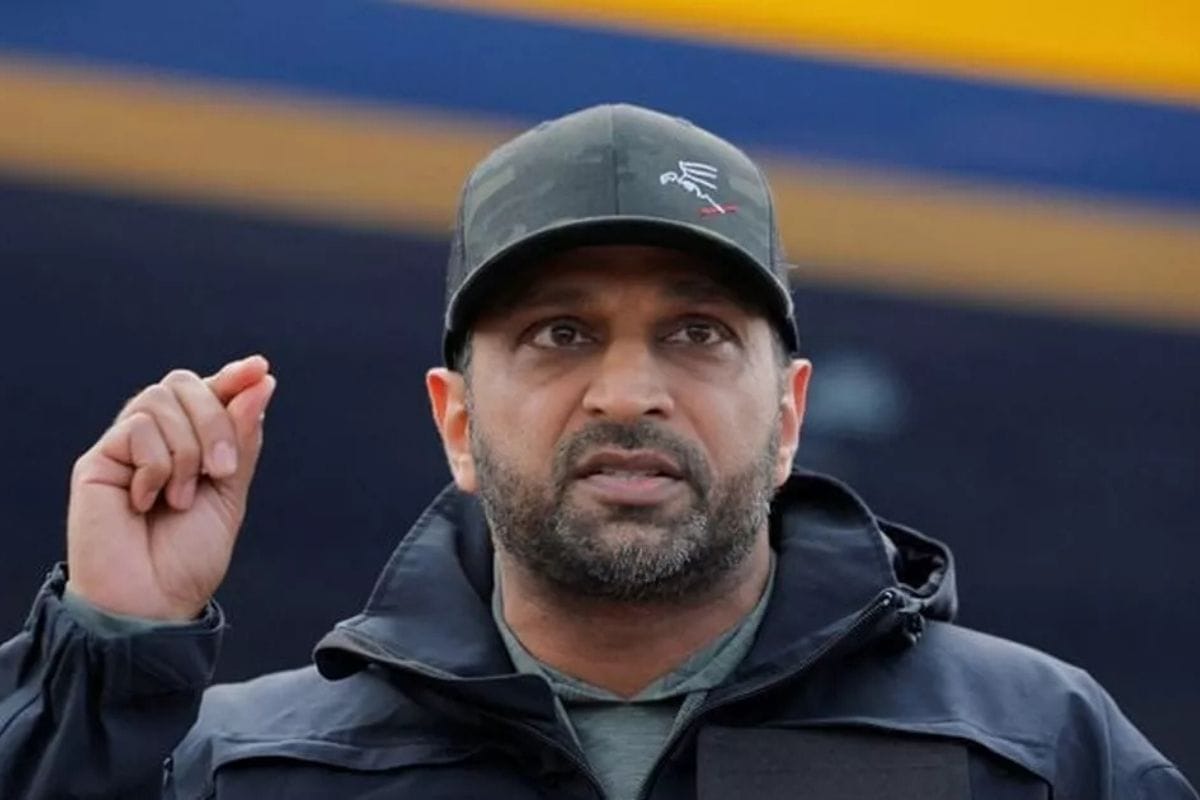
Patel, a former national security official and longtime Trump ally, has been a familiar face in conservative media. Wiles, a veteran political strategist, has quietly shaped Trump’s campaign machinery for years. Both sit firmly inside Trump’s political orbit.
Now, both names are tied to a federal investigative step taken during the Biden administration.
How the Phone Records Entered the Investigation
According to reports, federal investigators obtained phone metadata associated with Patel and Wiles while examining matters connected to Trump. The records reportedly included information such as call times and contact numbers — not the contents of conversations. That distinction matters legally, but politically, it often gets lost.
Phone metadata is a common investigative tool. It helps authorities understand who communicated with whom and when. In complex cases involving multiple individuals, that timeline can be critical.
Still, when the people involved are close to a former president and current presidential contender routine investigative steps take on greater weight.
There has been no public indication that Patel or Wiles were charged with wrongdoing tied to the metadata collection. The reports do not suggest that the act of collecting records equates to criminal conduct. But the optics are powerful.
Republicans Cry Foul, Democrats Urge Calm
Reaction was swift.
Trump allies framed the move as another example of aggressive federal scrutiny aimed at the former president’s inner circle. They questioned why individuals tied to Trump appeared in investigative requests and whether similar scrutiny would be applied evenly across party lines.
Some Republicans called for greater transparency. Others pointed to what they see as a pattern of federal agencies targeting Trump-connected figures.
Democrats responded differently. They argued that phone metadata collection is standard in federal investigations and that law enforcement agencies cannot ignore potential leads simply because they involve political figures.
Legal experts, meanwhile, emphasized that such requests typically require proper authorization. Judges or legal processes must sign off before records are obtained.
But in today’s political climate, arguments about standard procedure rarely calm tempers.
The Biden Administration Context
The records were reportedly obtained while President Joe Biden was in office. That timing has added fuel to partisan debate.
The Justice Department maintains that it operates independently from the White House. Historically, administrations insist they do not interfere in investigative decisions.
There is no public evidence suggesting that Biden personally directed or influenced the request for these records. Still, political opponents argue that perception alone can shape public trust.
The White House has not signaled direct involvement. But in an era of heightened mistrust toward institutions, even indirect connections invite scrutiny.
For many voters, the distinction between independent agency action and political oversight can feel blurred.
What Phone Metadata Actually Means
It’s worth pausing on what phone metadata is and what it isn’t.
Metadata does not reveal the content of conversations. It does not provide transcripts or recordings. It simply shows communication patterns: who called whom, when and for how long.
Investigators use it to build timelines. If two people were in contact around a key event, that may guide further inquiry. Sometimes it leads nowhere. Sometimes it points investigators in a new direction.
Collecting metadata does not automatically imply guilt. It often represents an early step in understanding connections. Still, when the names involved include prominent political figures, nuance tends to fade from public discussion.
Another Flashpoint in a Long Political Saga
This episode arrives at a moment when national politics already feels combustible.
Trump remains a central figure heading into the next election cycle. Investigations tied to him have shaped headlines for years. Supporters view scrutiny as political targeting. Critics view it as accountability. The disclosure about Patel and Wiles adds another layer.
For those who distrust federal institutions, it reinforces suspicions. For those who support strong investigative processes, it demonstrates that proximity to power does not place anyone beyond review.
For Patel and Wiles, the development places them under renewed public attention though neither has been publicly accused of wrongdoing in connection with the metadata collection.
In Washington, stories like this rarely resolve neatly. They linger. They feed into broader narratives about trust, fairness and power.
For voters watching from afar, it may feel like another chapter in an ongoing drama. For those directly involved, it is more than narrative it is reputation, political strategy and public perception at stake.
As campaigns accelerate and investigations continue to intersect with politics, the line between legal procedure and political controversy grows thinner.
And once again, Washington finds itself debating not just what happened but what it means.