Fed Governor Stephen Miran Quits White House Role, Ending Rare Power Clash
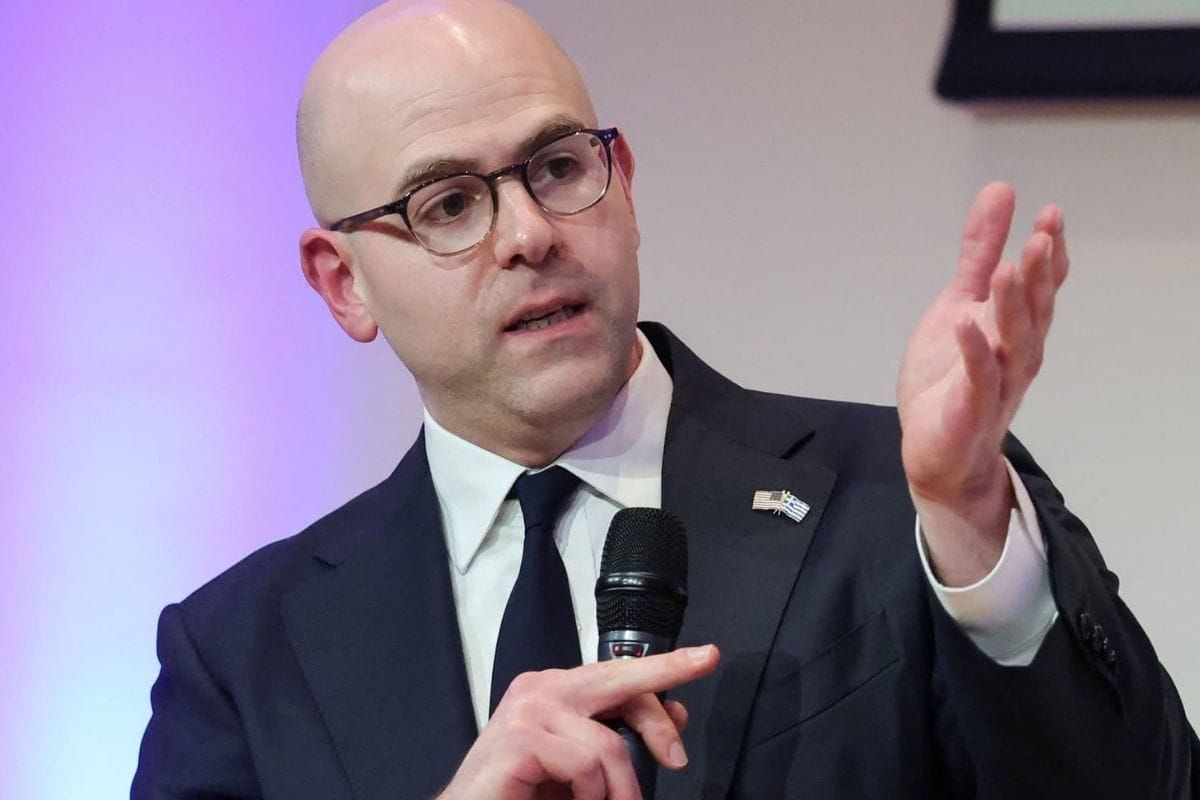
Stephen Miran, a Federal Reserve governor who had also been serving inside the White House, has officially stepped down from his role as chair of the Council of Economic Advisers. His resignation brings an end to an unusual and controversial arrangement that placed him simultaneously inside the nation’s central bank and the executive branch.
The move was confirmed late Tuesday by a White House spokesperson and comes just days after Miran completed the term of a previous Federal Reserve governor. While he will remain on the Fed’s powerful seven-member board for now, his departure from the White House signals a return to long-standing norms meant to protect the independence of the central bank.
An Uncommon and Controversial Setup
Miran’s dual role raised eyebrows from the moment it was announced last fall. In September, President Donald Trump appointed him to the Federal Reserve’s board of governors following the abrupt resignation of Adriana Kugler, who had been appointed by former President Joe Biden.
Rather than fully leaving his White House post, Miran took an unpaid leave of absence from the Council of Economic Advisers while serving as a Fed governor. That decision broke with decades of precedent. Historically, presidents who appointed senior aides to the Federal Reserve required them to fully step away from White House roles before joining the central bank.
The concern was not technical legality, but perception. The Federal Reserve is designed to be independent and nonpartisan, insulated from political pressure as it makes critical decisions on interest rates, inflation, and banking regulation. Having a sitting Fed governor also tied to the White House risked blurring those lines.
Miran acknowledged the sensitivity of the issue at the time of his appointment and pledged that he would resign from the Council of Economic Advisers if he remained on the Fed board beyond January 31. With that date now passed, he followed through on his promise.
Why the Federal Reserve’s Independence Matters
The Federal Reserve plays a central role in the US economy. Its governors vote on interest rates, oversee the banking system, and shape monetary policy that affects everything from mortgage rates to job growth.
Because those decisions can have political consequences, the Fed’s independence is seen as essential. Investors, lawmakers, and global markets closely watch any sign that politics might influence monetary policy.
That’s why Miran’s situation drew scrutiny from economists and former central bank officials. Even though he was on unpaid leave from the White House, critics argued that the arrangement created unnecessary questions about influence and loyalty.
By resigning from his White House role, Miran has removed those concerns, at least for now.
What Happens to Miran Next?
Although Miran has stepped away from the White House, he will remain on the Federal Reserve’s board until a replacement is confirmed by the Senate. That means he continues to hold one of the most powerful economic positions in the country, with a vote on interest rates and regulatory policy.
His continued presence at the Fed comes at a time of heightened attention around the central bank’s leadership and future direction.
Interest rates, inflation control, and banking oversight remain politically charged topics, especially as economic uncertainty continues to affect households and businesses.
The Bigger Picture: A Fed Leadership Shakeup Ahead
Miran’s resignation is part of a much larger story unfolding at the Federal Reserve.
President Trump has nominated Kevin Warsh, a former Fed official, to replace current Federal Reserve Chair Jerome Powell. Powell’s term as chair is set to expire on May 15, though the Fed’s structure allows him to remain on the board even after stepping down as chair.
That technical detail has created speculation about how Trump plans to reshape the Fed’s leadership. If Powell stays on the board, Trump would not immediately gain an extra seat to fill.
Many observers believe Miran’s seat could be the key. One widely discussed scenario is that Warsh could be confirmed to replace Miran, then elevated to Fed chair once Powell’s term ends. However, no official confirmation of that plan has been made.
For now, the situation remains fluid, with multiple possible outcomes depending on Senate confirmations and Powell’s own decisions.
Why This Matters to Everyday Americans
While personnel changes at the Federal Reserve may seem distant from daily life, they directly affect household finances.
Who sits on the Fed board influences decisions on:
- Interest rates for mortgages and car loans
- Credit card borrowing costs
- Inflation control strategies
- Banking system stability
Markets also react quickly to any hint of political influence over the Fed. Investors tend to value consistency and independence, which helps explain why Miran’s resignation from the White House was widely expected and largely welcomed by financial observers.
A Quiet Exit, But a Significant Signal
Miran’s departure from the Council of Economic Advisers was low-key, but its significance shouldn’t be underestimated. It signals an effort to restore traditional boundaries between the White House and the Federal Reserve at a moment when those boundaries are under intense scrutiny.
It also highlights how sensitive the Fed’s role has become amid debates over inflation, interest rates, and economic growth. Even the appearance of political overlap can spark controversy, making clarity and separation essential.
For Stephen Miran, the move closes one chapter of his public service while leaving another very much open. As a Fed governor, he remains part of the institution shaping the country’s economic future even as questions swirl about who will ultimately lead it.
As the next few months unfold, attention will stay fixed on the Federal Reserve, its leadership, and how President Trump navigates one of the most consequential appointments of his second term.