GameStop Shuts Hundreds of Stores as Retail Apocalypse Deepens

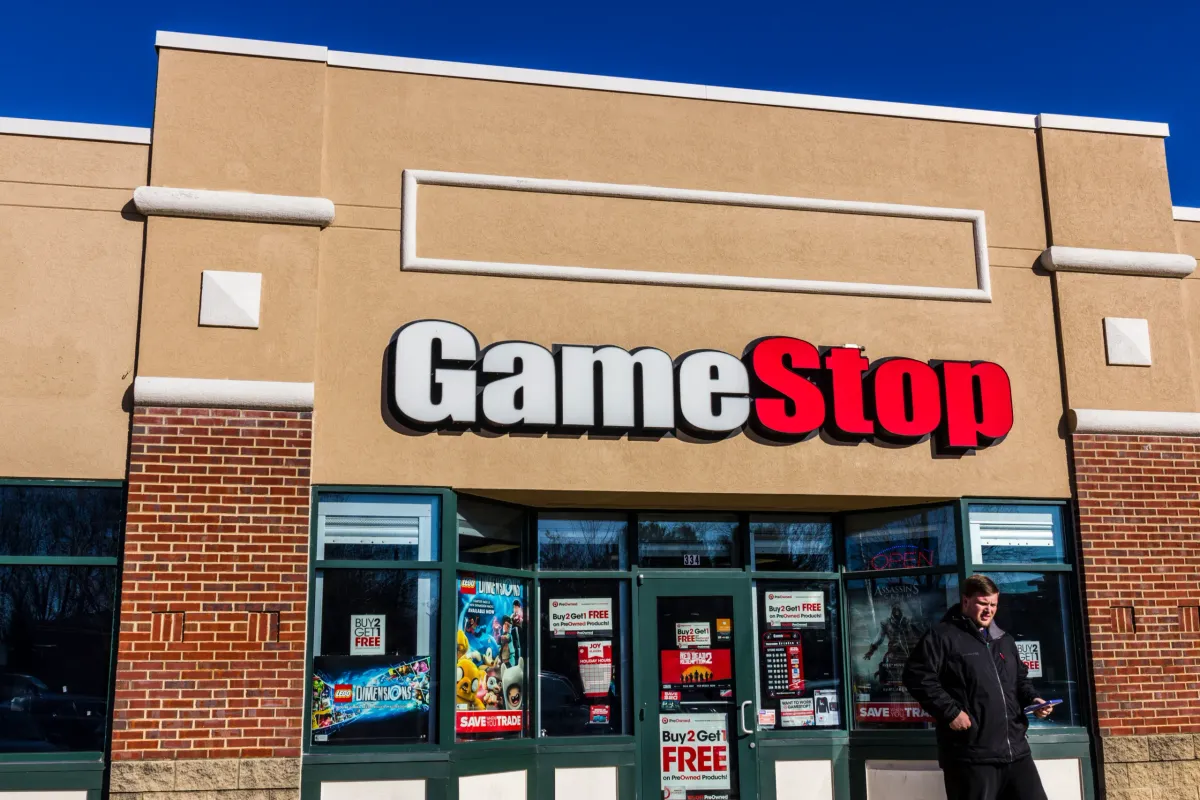
For many gamers, GameStop was once a ritual. You’d walk into a mall, smell plastic cases and carpet cleaner, flip through used games, and debate whether your trade-in pile was worth anything at all. For years, those stores were everywhere. Now, more and more of them are going dark.
In 2026, GameStop is continuing to close locations across the country, shrinking its physical presence as it struggles to survive in a world that no longer needs game discs, mall stores, or even trade-in counters the way it once did.
The company confirmed that it shut down 590 stores in fiscal 2024, and it has warned investors that many more closures are coming before the end of its 2025 fiscal year in January 2026. While GameStop hasn’t said exactly how many stores are next or where they’re located, the signs are becoming impossible to miss.
Photos of shuttered locations have been popping up online from all over the country, empty storefronts, liquidation signs, and locked doors where gamers once lined up for midnight releases.
A Slow Decline, Not a Sudden Collapse
GameStop’s problems didn’t appear overnight. In fact, they’ve been building for well over a decade.
As gaming shifted toward digital downloads, streaming, and online marketplaces, the company’s core business started to erode. Gamers no longer needed to buy physical discs, and consoles made it easier than ever to download games directly at home.
That shift quietly removed the main reason many people visited GameStop in the first place.
At the same time, competition exploded. Online retailers offered better prices and convenience, while big-box stores and digital platforms chipped away at GameStop’s remaining sales. Even the once-popular trade-in model lost relevance as physical game libraries faded.
And then there was the mall problem.
A huge portion of GameStop’s stores were located inside shopping mall spaces that have seen declining foot traffic for years. As malls emptied, GameStop lost casual customers who might have wandered in while shopping for something else.
By the time the company began closing stores aggressively, the damage had already been done.
The Numbers Tell a Tough Story
GameStop’s financial results reflect that reality. In its most recent earnings report, released in December, the company reported that revenue fell by $39.3 million compared to the previous year.
Closing stores has helped reduce costs, but it hasn’t reversed the broader trend. Sales continue to slide, and the company remains far smaller than it once was.
What’s happening now feels less like a turnaround and more like a company trying to slow the bleeding.
From Retail Relic to Meme Stock Legend
GameStop’s story took a strange detour in 2021, when it suddenly became one of the most famous stocks in the world. Retail investors, many of them organizing online, drove the stock price to extraordinary heights and stunned Wall Street.
For a moment, GameStop wasn’t just a struggling retailer it was a symbol.
But the excitement didn’t fix the business itself.
Once the hype faded, the company was left with the same challenges it had before: declining sales, outdated retail locations, and an uncertain future. Over the past year alone, GameStop’s stock has fallen more than 34%, showing that investors are still unsure whether the company can reinvent itself.
Searching for a New Identity
In early 2025, GameStop made a surprising move by changing its investment policy, allowing the company to explore alternative investments, including Bitcoin. Supporters called it bold. Critics called it risky.
Either way, it was a clear signal that GameStop knows its old playbook no longer works. The company said the goal was to preserve liquidity and improve returns, but questions remain about whether financial investments can replace a shrinking retail business.
Around the same time, the company awarded CEO Ryan Cohen a performance-based stock option designed to push growth. But the target was ambitious: GameStop’s market value would need to reach $100 billion for Cohen to fully benefit.
Today, the company’s market cap sits closer to $9 billion, a reminder of just how far it would need to climb.
Another Casualty of the Retail Apocalypse
GameStop isn’t alone. Across the country, once-dominant retail chains have been closing stores, downsizing, or disappearing altogether. Consumer habits have changed faster than many businesses could adapt.
People shop online. Media is digital. Convenience beats nostalgia. Some companies have successfully transitioned to new models. Others haven’t. GameStop is still somewhere in the middle, not dead, but no longer thriving.
For longtime customers, the closures feel personal. Each shuttered store represents more than just a failed business location; it’s the end of a familiar experience.
What the Future Holds
For now, GameStop seems focused on staying afloat rather than expanding. Closing underperforming stores buys time, but it also reduces visibility. Betting on new strategies could pay off or backfire.
The brand still carries recognition, and for many gamers, it holds memories that digital storefronts can’t replace. Whether that nostalgia can translate into a sustainable future remains an open question.
As 2026 unfolds, GameStop’s footprint will likely continue to shrink. The company that once dominated malls now stands as a symbol of how quickly retail can change and how hard it is to survive when the world moves on.
The doors aren’t all closed yet. But there are fewer lights on than ever before.