
Google and Apple to Pay $163M After Claims They Secretly Listened to Users’ Private Conversations

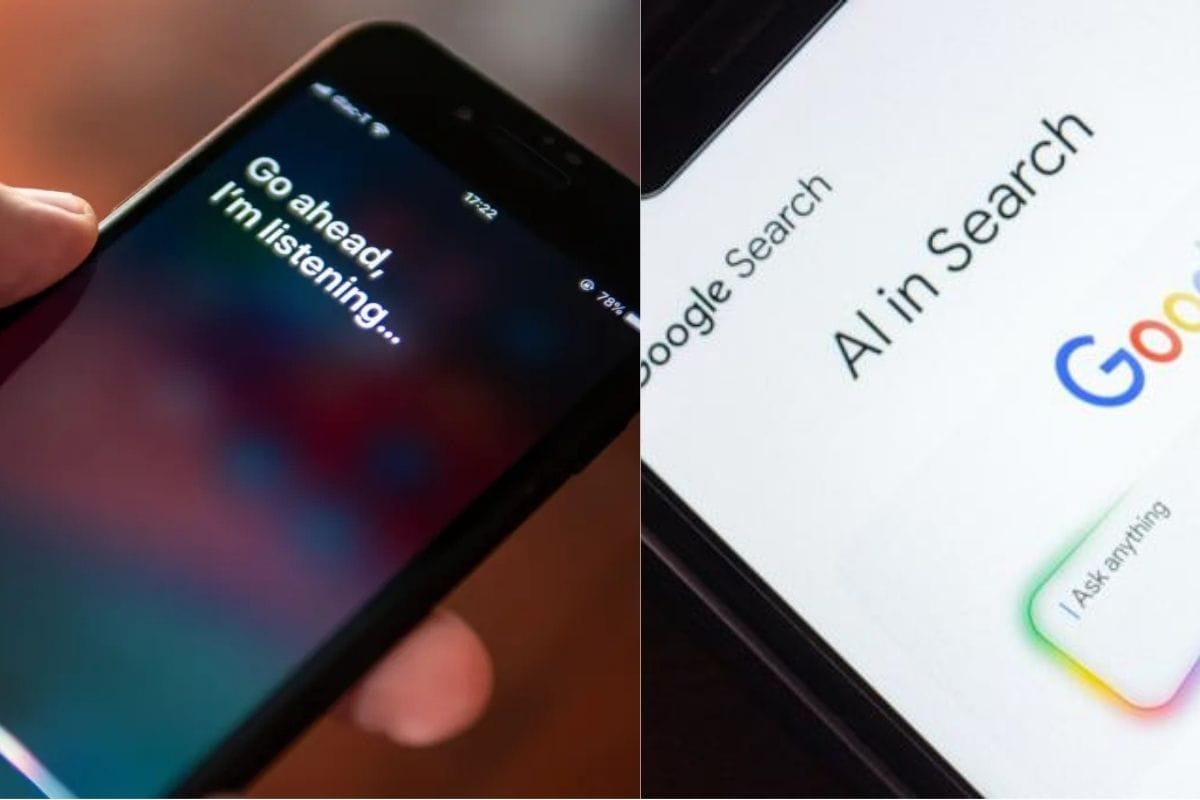
For years, many smartphone users joked that their phones were “listening” to them. Mention a restaurant, a pair of shoes, or a medical issue out loud and suddenly ads for those exact things would appear on their screens. What once sounded like paranoia has now turned into costly legal trouble for two of the biggest tech companies in the world.
Google and Apple have agreed to pay a combined $163 million to settle lawsuits accusing them of secretly recording private conversations through their voice assistants, even when users never activated them. The settlements close the chapter on years of complaints, investigations, and unsettling stories from customers who felt their privacy had been crossed.
Apple’s share of the payout totals $95 million, while Google’s tentative settlement totals $68 million, pending final court approval.
What Were the Lawsuits About?
At the center of both cases were the companies’ voice assistants, Siri on Apple devices and Google Assistant on Android products. These tools are designed to respond only after hearing specific wake words like “Hey Siri” or “OK Google.” But according to the lawsuits, that didn’t always happen.
Customers claimed that their devices were activating on their own, recording conversations without permission, and sometimes sharing those recordings with third parties. Some users said the recordings led directly to targeted ads based on things they had discussed privately at home, with friends, or even with doctors.
The lawsuits argued that users never knowingly consented to this kind of surveillance and that the recordings violated basic expectations of privacy.
Apple Begins Paying Customers
Apple has already begun distributing payments related to its settlement. The class-action lawsuit accused the company of allowing Siri to activate accidentally and record conversations, even when users never said the trigger phrase.
Several people involved in the lawsuit said they noticed ads appearing for products they had talked about out loud, including restaurants like Olive Garden or brands like Air Jordan, shortly after private conversations. One person said he received ads for a specific surgical treatment after discussing it with his doctor.
Under the settlement terms, anyone who owned a Siri-enabled Apple device and experienced an unintended activation during the eligible time period could receive compensation.
Payments are capped at $20 per device, with a maximum of five devices per person, meaning the highest payout per individual is $100. Some customers are receiving the money through direct deposit, while others are getting prepaid cards.
Apple has strongly denied any wrongdoing, saying it did nothing illegal or improper. Still, the company agreed to the settlement to bring the case to an end.
Google’s Deal Still Needs Approval
Google’s case follows a similar pattern. Users claimed Google Assistant activated without permission and recorded conversations even when the wake phrase was never used.
The lawsuit dates back to 2019 and includes people who owned Google-made devices and had Gmail accounts linked to Assistant-enabled products. The proposed settlement of $68 million still needs approval from a federal judge before payments can be issued.
Google, like Apple, denies that it violated users’ privacy. The company has said the recordings were used to improve its products, not to spy on customers.
How Voice Assistants Became a Legal Minefield
Voice assistants are designed to be helpful turning on lights, sending texts, setting reminders, or answering questions. But to do that, they must constantly listen for their activation phrases. That always-on listening has long worried privacy advocates.
Both companies have said that only short snippets are captured accidentally and that those recordings are anonymized. Still, the lawsuits raised serious concerns about how often these accidental recordings happened and where the data ended up.
In response to the backlash, Apple changed its policies. Users must now opt in before any recorded audio can be used to improve Siri. Google has also adjusted how it handles voice data and disclosures.
Big Money for Consumers, Small Change for Tech Giants
While $163 million sounds like a massive settlement, it barely dents the finances of companies like Apple and Google.
Apple alone earned nearly $94 billion in net income last year. The $95 million settlement represents roughly nine hours of profit for the company. Still, legal experts say the case is about more than money it’s about trust.
Consumers increasingly expect transparency about how their data is collected, stored, and used. These settlements send a message that even the largest tech firms are not immune to legal consequences when privacy concerns arise.
This isn’t Apple’s first major class-action settlement. In 2020, the company paid $113 million to resolve claims that it intentionally slowed older iPhones to manage battery performance a case that also ended without an admission of wrongdoing.
Together, these cases have added to growing scrutiny of how tech companies balance innovation, profit, and user trust.
What This Means for Everyday Users
For consumers, the settlements validate long-held suspicions that devices weren’t always behaving as advertised. While the payouts may be modest, the broader impact could be lasting.
Privacy experts say companies will now face more pressure to explain how voice technology works clearly and to give users greater control over their data.
As smart devices become even more embedded in daily life, from homes to cars to wearable tech the question isn’t just whether devices can listen, but when, how, and why they do.
For many users, this case has reinforced one simple lesson: convenience often comes at a cost, and sometimes that cost is privacy.