Highways Burn as El Mencho’s Death Sparks Mexico Unrest
El Mencho’s reported death sparks cartel violence, burning roadblocks and border travel disruption across Mexico near US crossings.
For years, people in Mexico spoke the name “El Mencho” in a lowered voice.
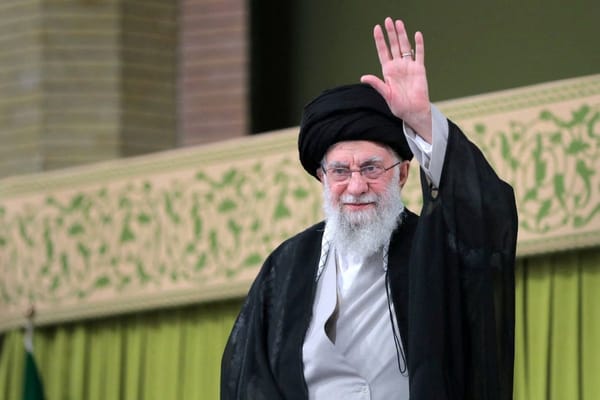
He wasn’t just another cartel boss. He was seen as one of the most powerful and elusive figures in the country’s criminal underworld, a man whose organization stretched across states, controlled trafficking corridors and commanded fierce loyalty.
Now, reports that El Mencho has been killed have sent shockwaves across Mexico, and the aftershocks have been loud.
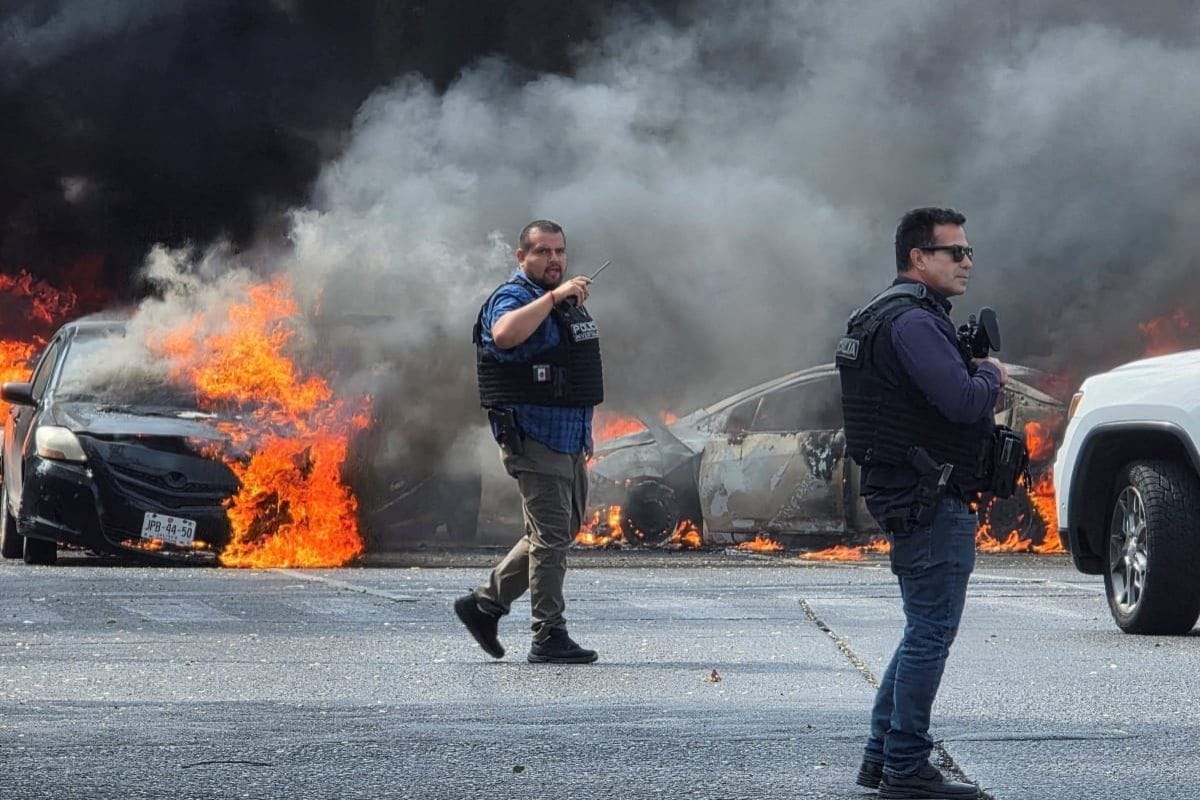
Within hours of the news spreading, gunfire broke out in multiple areas. Vehicles burned on highways. Drivers abandoned their cars and ran. Families locked themselves indoors. What began as a security operation quickly turned into a day of chaos that many will not forget.
News of El Mencho’s Death Triggers Swift Retaliation
Authorities have confirmed that the cartel leader was killed during a major security operation. Details of the operation remain tightly controlled, but the result was clear: one of the most powerful men in Mexico’s criminal landscape was gone.
The reaction came almost immediately.
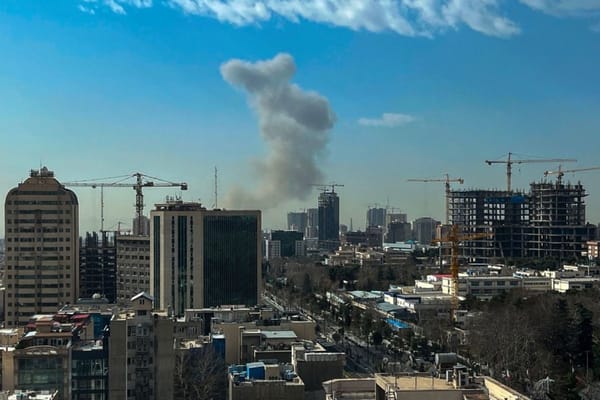
Armed men blocked highways using hijacked vehicles. Some cars were set on fire, sending thick smoke into the sky. The message was unmistakable; this was retaliation.
Cartel organizations often respond forcefully when a top leader falls. It’s not just about anger. It’s about showing strength. Demonstrating that the group still controls territory. Reminding rivals and authorities that power doesn’t disappear overnight.
For people living in affected cities, it didn’t matter who was sending the message. What mattered was staying safe.
Burning Vehicles and Gunfire Paralyze Daily Life
Videos spread quickly across social media. Flames engulfed trucks parked sideways across major roads. Black smoke drifted over neighborhoods. In some areas, the sound of gunfire echoed through streets that hours earlier were filled with normal traffic.
Shops closed their doors. Parents rushed to pick up children from school. Buses stopped running.
A restaurant owner in one affected city said he watched customers quietly gather their belongings and leave after hearing sirens approaching. “No one panicked,” he said. “But everyone knew something serious was happening.”
Helicopters circled overhead in some regions as security forces tried to regain control. Armored vehicles rolled through key intersections. Officers worked to clear burning debris and reopen blocked highways.
For residents, the hardest part was the uncertainty. Where was it safe to go? Which roads were open? Was the violence spreading?
Most people made the same decision stay inside and wait.
Border Travel Disrupted as Fear Spreads
The unrest didn’t stay contained to one neighborhood or city.
Highways that connect western Mexico to major border crossings saw temporary closures as authorities secured routes and cleared roadblocks. That created confusion and anxiety for travelers heading toward the United States.
Flights in certain airports experienced delays as security alerts intensified. Passengers waited in terminals, refreshing news updates and calling family members.
For Americans and Mexican nationals planning to cross into California, Texas or Arizona, the situation felt especially tense. Even when US ports of entry remained open, access roads on the Mexican side were not always reliable.
One traveler heading north described watching smoke rise in the distance while traffic barely moved. “You just want to get across,” he said. “You don’t know what’s happening behind you.”
Border communities depend on daily movement. People cross for work, school, medical appointments and family visits. When violence disrupts those routes even briefly it shakes routines that thousands rely on.
Security Forces Move Quickly to Contain the Fallout
Mexican authorities responded with visible force.
Security personnel deployed across affected areas, focusing on restoring order and preventing further escalation. Patrols increased near key highways. Officers worked to remove barricades and reestablish safe corridors for civilians.
Officials emphasized that the violence was linked to internal cartel dynamics following El Mencho’s reported death. When a figure at the top of a powerful organization falls, a scramble often follows.
Leadership shifts can create power vacuums. Rival factions may attempt to assert control. Loyalists may retaliate aggressively. For law enforcement, these moments are among the most volatile.
Despite the intensity of the day’s events, authorities gradually reopened major roads. By evening, traffic began to flow again in several regions. Still, the sense of tension did not disappear immediately.
What El Mencho’s Death Could Mean for Mexico
The reported killing of El Mencho marks a major moment in Mexico’s long battle against organized crime.
For years, he had been one of the country’s most wanted men. International agencies tracked him. Governments publicly named him. Yet he remained elusive until now.
His death may weaken centralized leadership within his organization. But history shows that cartel networks rarely collapse overnight. Structures adapt. New leaders emerge. Rivalries intensify.
For everyday people, the broader implications feel distant compared to the immediate impact.
Parents will remember rushing children indoors. Business owners will remember pulling down shutters. Travelers will remember the uneasy silence while waiting for roads to reopen.
In border communities, life resumed slowly. Cars crossed into the United States again. Flights departed. Shops reopened. But conversations lingered. People asked the same question: what happens next?
Mexico has faced moments like this before. Each time, cities absorb the shock and push forward. Streets fill again. Markets reopen. Families return to routine.
Still, the day El Mencho reportedly fell will be remembered not just for who died but for how quickly violence spread afterward.
For those who lived through it, the memory will not be about strategy or headlines. It will be about smoke rising above highways, sirens in the distance and the quiet hope that everyone would make it home safely before nightfall.