ICE Shooting Sparks Protests as DOJ Investigates Minnesota Governor and Mayor
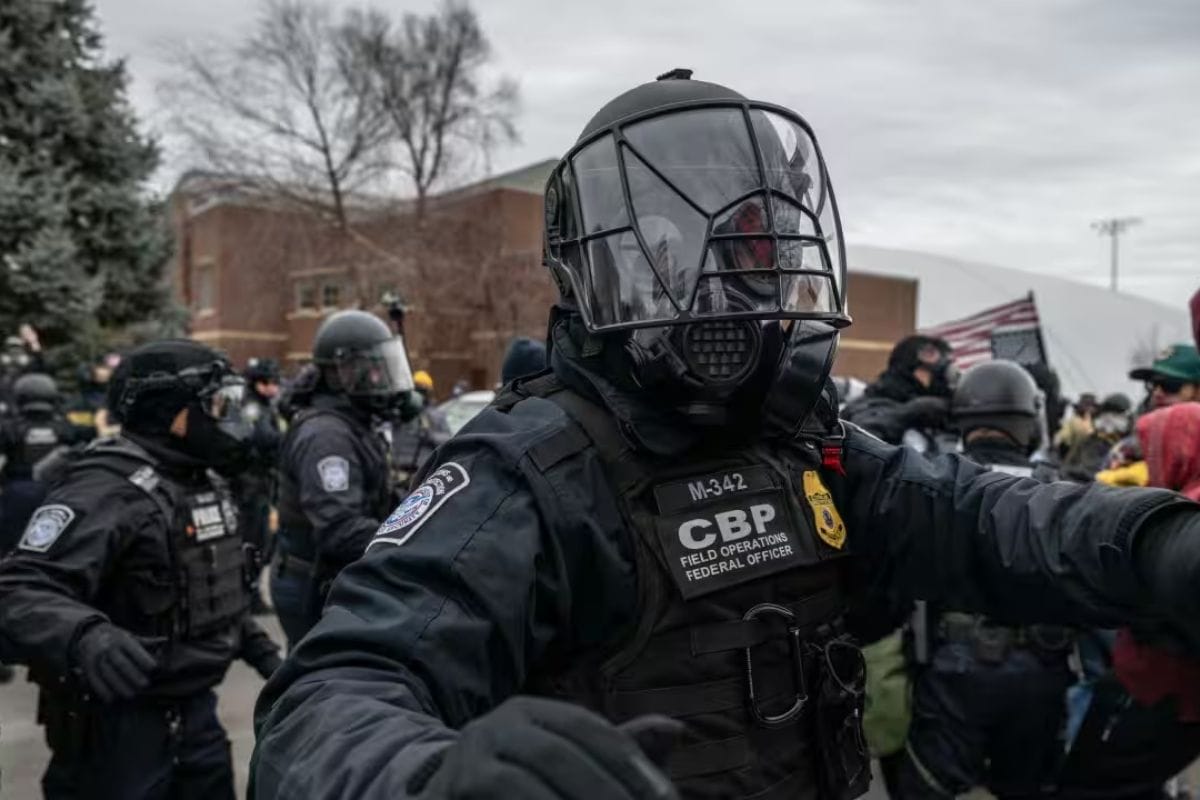
The clash between the Trump administration and Minnesota’s Democratic leadership took a sharper turn this week after the U.S. Justice Department opened an investigation into Governor Tim Walz and Minneapolis Mayor Jacob Frey. Federal officials are examining whether the two leaders crossed a legal line by allegedly obstructing federal immigration enforcement during a period of escalating protests and unrest in Minneapolis.
The investigation comes in the shadow of a fatal incident that has deeply shaken the city. Renee Good, a 37-year-old Minneapolis woman, was shot and killed by an Immigration and Customs Enforcement agent during an operation last week. Her death sparked widespread protests, renewed anger over federal immigration tactics, and heightened scrutiny of how ICE operates in Democratic-led cities.
A City Already on Edge
Minneapolis has been tense for days. Demonstrations intensified after Good’s killing, with protesters filling streets near federal operations and chanting against ICE. Video footage circulating online showed Good sitting in her SUV shortly before she was shot, appearing to honk her horn to alert neighbors about the presence of immigration agents. Local officials have described her as a legal observer who posed no threat.
Federal authorities tell a very different story. The Department of Homeland Security has claimed that Good was interfering with law enforcement and attempted to run over an agent, prompting the officer to open fire. Local leaders dispute that account, saying the video evidence does not support the claim.
New details revealed this week have only fueled outrage. According to official emergency reports, paramedics found Good with at least three gunshot wounds and possibly a fourth to her head. She was pronounced dead while being transported to the hospital.
DOJ Investigation Raises Alarm
Against this backdrop, federal prosecutors are now investigating Governor Walz and Mayor Frey over statements they made criticizing ICE and urging resistance to federal immigration actions. The inquiry centers on a federal statute that makes it a crime to conspire to prevent federal officers from performing their duties through force, intimidation, or threats.
Governor Walz reacted forcefully to news of the probe. In a public statement, he accused the administration of weaponizing the justice system to silence political opponents. He pointedly noted that while he is under investigation, the federal agent who shot Good is not.
Mayor Frey echoed that defiance, saying he would not be intimidated. He framed the investigation as retaliation for standing up to what he described as dangerous and chaotic federal actions in his city.
Both leaders maintain they have consistently called for peaceful protest and deny encouraging any violence or obstruction.
Judge Limits ICE Actions
Adding another layer to the unfolding drama, a federal judge issued a sweeping order that significantly limits how ICE can operate in Minneapolis during protests. The ruling bars federal agents from using pepper spray or other non-lethal force against peaceful demonstrators. It also restricts agents from arresting or detaining individuals without clear evidence that they are actively interfering with law enforcement.
The judge made clear that simply following ICE vehicles or being present near operations does not justify stops or arrests. The order temporarily halts some enforcement actions by thousands of federal officers currently deployed in the city.
Local officials welcomed the ruling, calling it a necessary check on federal power. The Trump administration, however, has criticized the decision, arguing it undermines law enforcement and emboldens unrest.
Trump Escalates Rhetoric
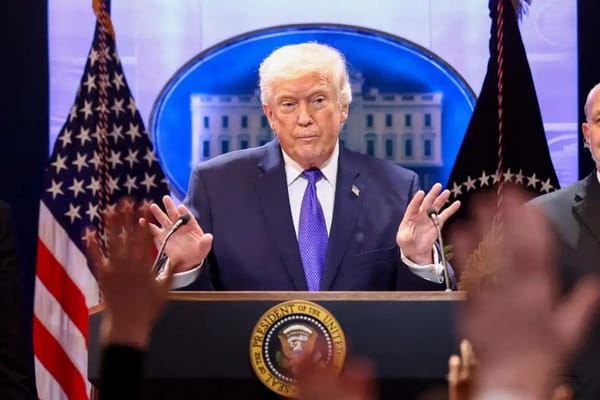
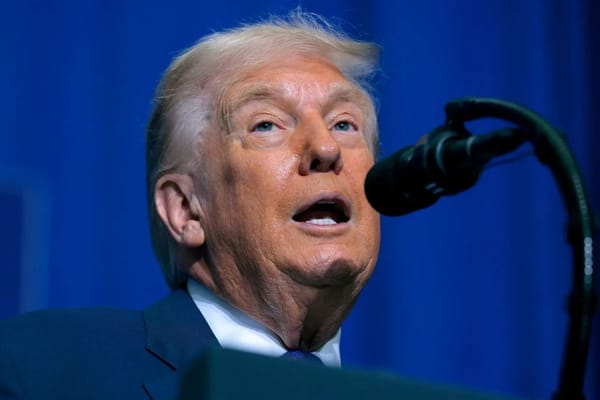
President Trump has weighed in repeatedly, accusing protesters of being “paid professionals” and claiming Minnesota leaders have lost control of the situation. In posts and remarks from the White House, he blamed state and city officials for inflaming tensions rather than restoring order.
At the same time, Trump stopped short of invoking the Insurrection Act to deploy military troops, saying he did not believe it was necessary “right now,” though he emphasized that the option remained on the table.
The president’s comments have only intensified the political divide, with Democrats accusing him of using fear and force to push his immigration agenda, and Republicans arguing that local leaders are undermining federal authority.
Federal vs. Local Power Struggle
At the heart of the conflict is a long-standing dispute over the extent of power federal immigration agencies should hold within cities that oppose aggressive enforcement. Democratic lawmakers who traveled to Minneapolis this week described ICE operations as reckless and lawless, alleging that residents were detained for hours and forced to prove their citizenship.
Several members of Congress called for major reforms, including requiring agents to wear body cameras, display identification, and obtain warrants before making arrests. Some also demanded a ban on masked arrests, arguing they terrify communities and erode trust.
Federal officials rejected claims of racial profiling or abuse, saying agents may question individuals near operations if there is reasonable suspicion tied to enforcement activities.
An Uncertain Path Forward
As investigations continue on multiple fronts, Minneapolis remains a city bracing for what comes next. The FBI is still probing the shooting that killed Renee Good, though there is no federal civil rights inquiry into the agent involved. Local and state authorities say they have been largely excluded from the investigation, further fueling mistrust.
For residents, the situation feels unsustainable. Protests continue, federal officers remain deployed, and political tensions show no signs of easing. Whether the Justice Department’s investigation leads to charges or quietly fades, its message is already clear: the standoff between federal immigration enforcement and local resistance has entered a far more dangerous phase.
What began as a single fatal encounter has now grown into a national flashpoint — one that raises profound questions about accountability, federal power, and the limits of protest in modern America.