Iran Launches Strikes, Trump Warns of Consequences Amid Rising Tensions
Iran launches strikes in the Middle East, prompting a warning from President Trump as global tensions and oil prices rise.
For days, officials had hinted that something was coming. Military assets shifted quietly. Statements grew sharper. Analysts warned that the temperature between Washington and Tehran was rising again.
Then it happened.
Iran launched strikes that cut through the uneasy calm and forced the United States into immediate response mode. Within hours, President Donald Trump, appeared before cameras with a blunt warning: any further aggression would be met with consequences.
The shift from words to action was sudden, but not entirely unexpected. What makes this moment different is how quickly it has pulled the region and the world into a fresh cycle of uncertainty.
For people living near the sites involved, it wasn’t a geopolitical chess match. There was noise in the sky. It was sirens. It was the uneasy feeling of not knowing whether the night would stay quiet.
The Strikes That Changed the Tone Overnight
Iranian authorities confirmed they carried out military strikes, describing them as deliberate and justified. Officials framed the action as a response to what they consider mounting threats from the United States and its allies.
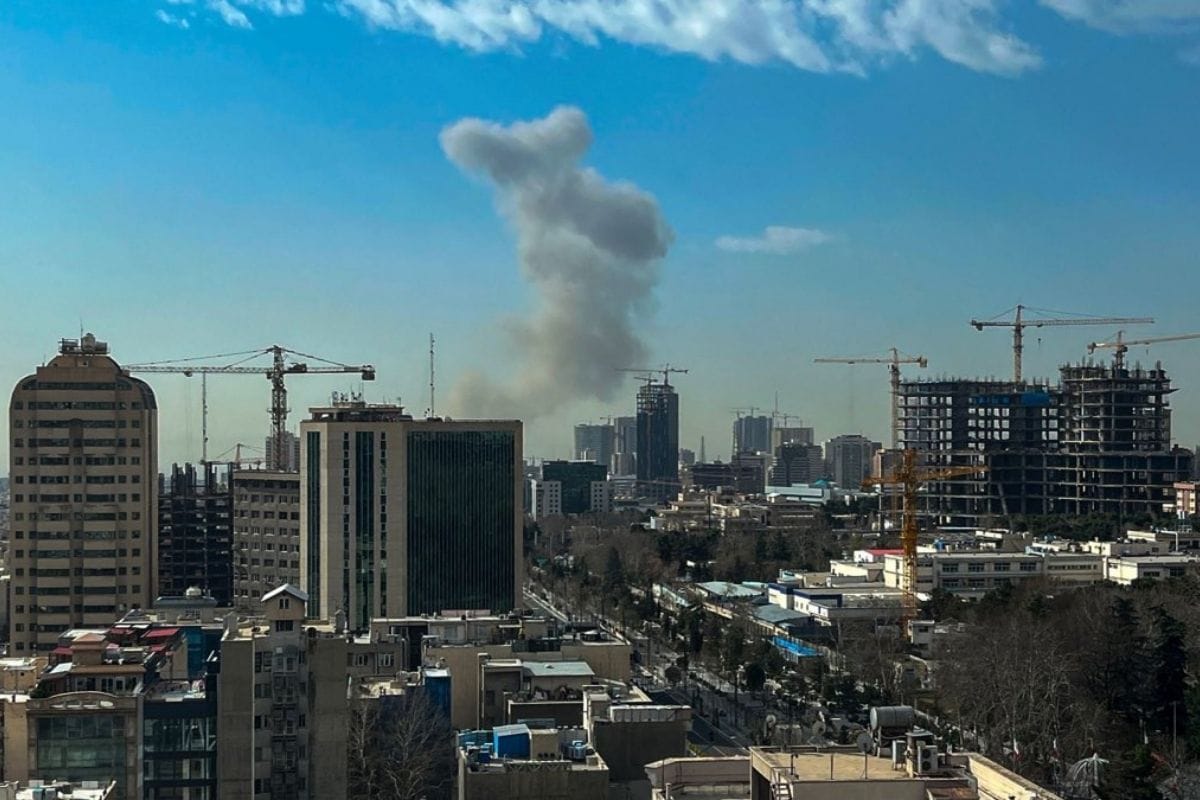
Reports indicated that targets linked to American or allied positions were hit. Early details remained limited, as both sides assessed the scale of the operation and its aftermath.
Residents in affected areas described hearing loud explosions. Some posted videos showing streaks of light cutting across the sky as air defense systems activated. In several cities, emergency alerts lit up phones before dawn.
The speed of information and misinformation made it hard to separate confirmed facts from speculation. Governments in the region quickly called for restraint, urging all parties to avoid steps that could widen the confrontation.
Still, one thing was clear: the situation had moved beyond rhetoric.
Trump’s Response: Firm, Direct, Calculated
President Trump did not wait long to respond.
Standing before reporters, he warned Iran not to escalate further. He emphasized that U.S. forces in the region remain fully capable of defending themselves and responding if necessary.
“We will protect our people,” he said, keeping his tone steady but unmistakably firm.
Pentagon officials confirmed that American troops had shifted into a heightened state of readiness. Military commanders reviewed defensive positions and coordinated with regional allies.
Trump has long leaned on deterrence in his dealings with Tehran projecting strength while leaving the door open for diplomacy. His message followed that pattern. He did not announce immediate counterstrikes. But he made clear that Washington would not ignore attacks on its interests.
Behind the scenes, advisors reportedly weighed multiple options. The president faces a familiar dilemma: respond strongly enough to deter future action, but carefully enough to avoid a spiral.
Markets Jolt as Oil Prices Climb
The ripple effects extended far beyond the immediate area.
Global oil prices climbed quickly as traders reacted to the risk of disruption in one of the world’s most important energy corridors. Investors, already navigating a fragile global economy, moved cautiously.
Stock markets reflected the tension. Some sectors dipped. Others fluctuated as analysts tried to gauge whether this confrontation would remain limited.
Airlines reviewed flight paths. Shipping firms monitored major waterways. Insurance costs for vessels operating in sensitive zones began to draw renewed scrutiny.
Even for families thousands of miles away, the conflict felt tangible in the form of rising fuel prices and uncertain market forecasts.
History offers examples of similar flare-ups cooling within days. But it also offers reminders of how quickly escalation can outpace expectation.
Diplomacy Moves Quietly in the Background
While military headlines dominated, diplomacy did not stop.
European leaders called for immediate de-escalation. Regional governments opened communication lines. International organizations urged calm.
Iran’s leadership has often walked a careful line signaling resolve without triggering overwhelming retaliation. The coming days will test whether this episode follows that pattern.
For the United States, maintaining deterrence without sliding into open conflict remains the priority.
Officials familiar with the situation suggested that indirect channels of communication remain active. Those channels matter. They allow signals to be sent and received without public grandstanding.
Diplomacy rarely unfolds on live television. It happens in private calls, back-channel conversations and quiet assurances.
The public may not see those efforts, but they could determine whether this moment stabilizes.
A Region Holding Its Breath
Across the Middle East, people waited.
In neighborhoods near potential targets, families followed news alerts closely. In government offices, officials reviewed contingency plans. In military command centers, radar screens remained under constant watch.
The region has seen tense standoffs before. In previous confrontations, both Washington and Tehran edged close to direct conflict before stepping back. The question now is whether cooler heads will prevail again.
Trump faces pressure at home. Some supporters expect a forceful response. Others caution against deepening military involvement. Iran’s leadership must also weigh domestic expectations and international consequences.
Military experts warn that even limited engagements carry unpredictable risks. A single miscalculation, a misunderstood radar reading, an errant strike can change everything.
For now, there is no declaration of broader war. There are no confirmed signs of large-scale mobilization beyond defensive readiness. But the mood feels fragile.
The strikes have altered the landscape. They have reminded the world how quickly tension can transform into action. As night falls again over the region, the skies may be quieter. Yet the uncertainty lingers. What happens next will depend not just on firepower, but on judgment.
And in moments like this, judgment matters more than ever.