JD Vance Heads to Minneapolis as ICE Protests and Trump–Walz Clash

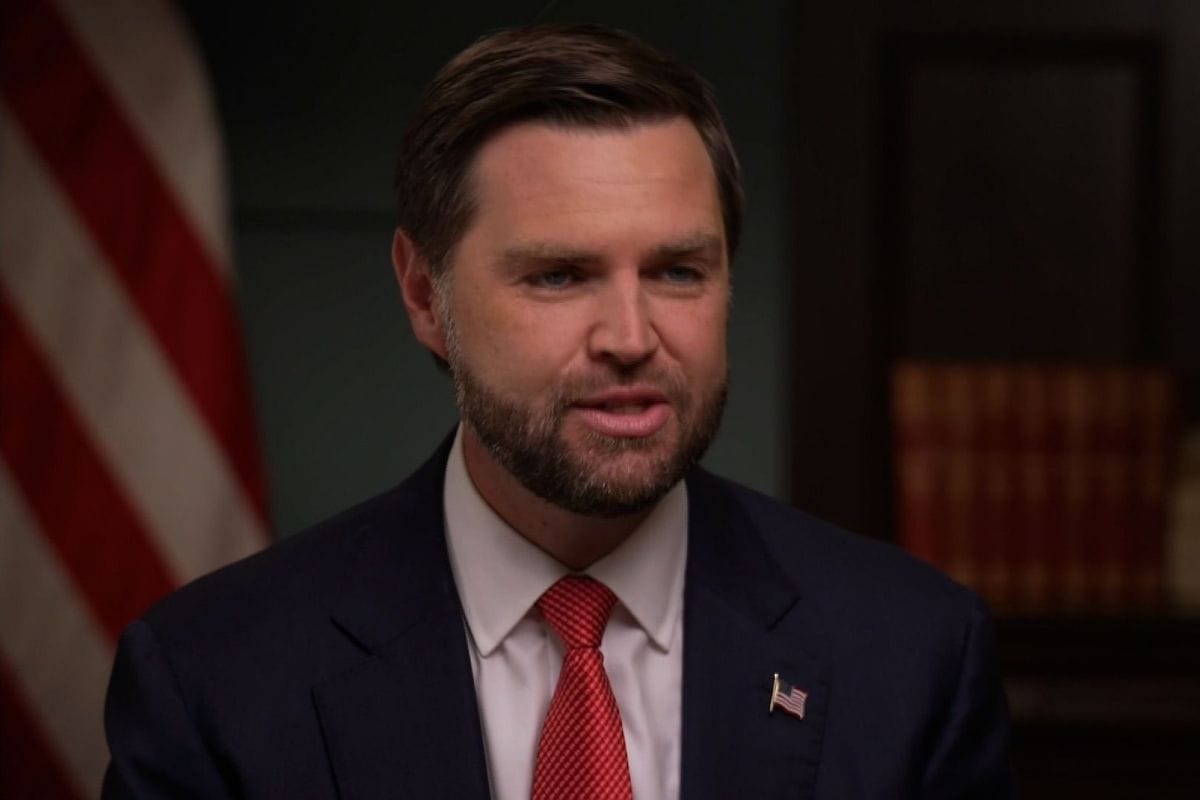
Minnesota is bracing for another tense moment as Vice President JD Vance prepares to visit Minneapolis on January 22, stepping directly into one of the most explosive political flashpoints of President Donald Trump’s second term.
The visit comes as Minneapolis remains on edge following nationwide protests sparked by the fatal shooting of Renee Good, a 37-year-old mother who was killed during an ICE operation. Since then, Minnesota has become ground zero in a widening battle over immigration enforcement, federal authority, and how far the White House is willing to go to enforce its policies.
A City Under Pressure
The White House says Vance’s trip is meant to show support for federal immigration officers and to reinforce the administration’s message of “law and order.” During his visit, the vice president is expected to meet with ICE agents and publicly criticize what the administration describes as Minneapolis’ “sanctuary” policies local rules that limit cooperation with federal immigration authorities.
According to a senior administration official, Vance will praise ICE agents for their work and argue that local leaders are making their jobs harder by refusing to fully cooperate.
But on the ground in Minneapolis, emotions are raw.
Protests have continued almost daily since Good’s death, with demonstrators accusing ICE of reckless tactics and demanding accountability. Community leaders say the federal response has only escalated tensions, not calmed them.
Trump and Walz Trade Blows
The political stakes are especially high because of the growing feud between Trump and Minnesota Governor Tim Walz. The Justice Department recently subpoenaed Walz and Minneapolis Mayor Jacob Frey as part of an investigation into whether state and city leaders interfered with federal immigration enforcement.
Walz has pushed back strongly, calling the investigation a “partisan distraction” and accusing the administration of trying to intimidate state officials.
“Minnesota will not be intimidated into silence,” Walz said, adding that local leaders are focused on keeping residents safe, not escalating conflict.
Trump, however, has taken a far more aggressive tone. He has openly threatened to deploy federal troops to Minnesota under the Insurrection Act if protests continue, a move that would mark one of the most dramatic uses of presidential power in modern times.
Vance Takes Center Stage
Vice President Vance has emerged as one of the administration’s most vocal defenders of ICE. In recent weeks, he has repeatedly accused Democrats of “rallying mobs” against law enforcement and undermining public safety.
After Good’s death, Vance defended the ICE agent involved and blamed Democratic rhetoric for inflaming tensions. He even suggested that Good herself was partly responsible for the incident remarks that drew fierce backlash from civil rights groups and local officials.
Minneapolis Mayor Jacob Frey dismissed Vance’s comments as “garbage” and renewed his call for ICE to leave the city altogether.
Despite the criticism, Vance has shown no signs of backing down. During a rare appearance in the White House briefing room earlier this month, he made the administration’s stance crystal clear.
“The president stands with ICE,” Vance said. “I stand with ICE.”
Public Opinion Turns Uneasy
While the administration continues to double down, public opinion appears to be shifting.
Recent national polls suggest growing discomfort with ICE’s tactics. Surveys conducted after Good’s shooting show that a majority of Americans believe the killing was not justified and reflects broader problems within the agency. Many respondents also said ICE operations are making communities less safe, not more.
Even among voters who support tougher immigration enforcement, images of heavily armed agents and aggressive raids have unsettled independents and moderate voters.
Still, Republican voters remain largely supportive of the administration’s approach, with many believing protests against ICE have gone too far.
Protests, Resignations, and Growing Fallout
The unrest has had serious consequences beyond the streets.
Federal prosecutors in Minnesota reportedly resigned after the Justice Department pushed to investigate Good’s family, a move that critics say crossed a moral line. Meanwhile, civil rights lawyers representing Good’s family have repeatedly denied claims that she was part of any organized network targeting ICE.
Community groups are now planning a statewide day of action, urging Minnesotans to stay home from work, skip school, and avoid shopping as a form of protest against what they call a “federal occupation” of the state.
Labor leaders and civil rights activists say the goal is to show solidarity with immigrant communities and demand a change in federal policy.
Why Minnesota Matters Politically
Beyond immigration, Minnesota is also under scrutiny because of a major federal fraud investigation involving misuse of public funds, an issue Republicans have seized on as a political weapon.
Trump narrowly lost Minnesota in both 2016 and 2024, and GOP strategists believe the state could become a true battleground if they can capitalize on voter frustration over crime, immigration, and government accountability.
JD Vance’s visit signals that the administration sees Minnesota not just as a policy fight, but as a political opportunity.
“This is about raising the stakes,” said one Republican strategist. “They want to show strength, force Democrats onto the defensive, and reshape the conversation heading into the next election cycle.”
A Tense Road Ahead
As Vance arrives in Minneapolis, few expect tensions to cool. Protest organizers are preparing for large crowds, while federal authorities remain on high alert.
For many Minnesotans, the visit feels less like an attempt to calm the situation and more like a provocation.
Whether Vance’s presence restores order or deepens the divide remains to be seen. But one thing is clear: Minnesota has become the front line in a much larger national battle over immigration, federal power, and the future direction of the country.