JD Vance Signals Trump-Aligned Shift at Turning Point USA Event

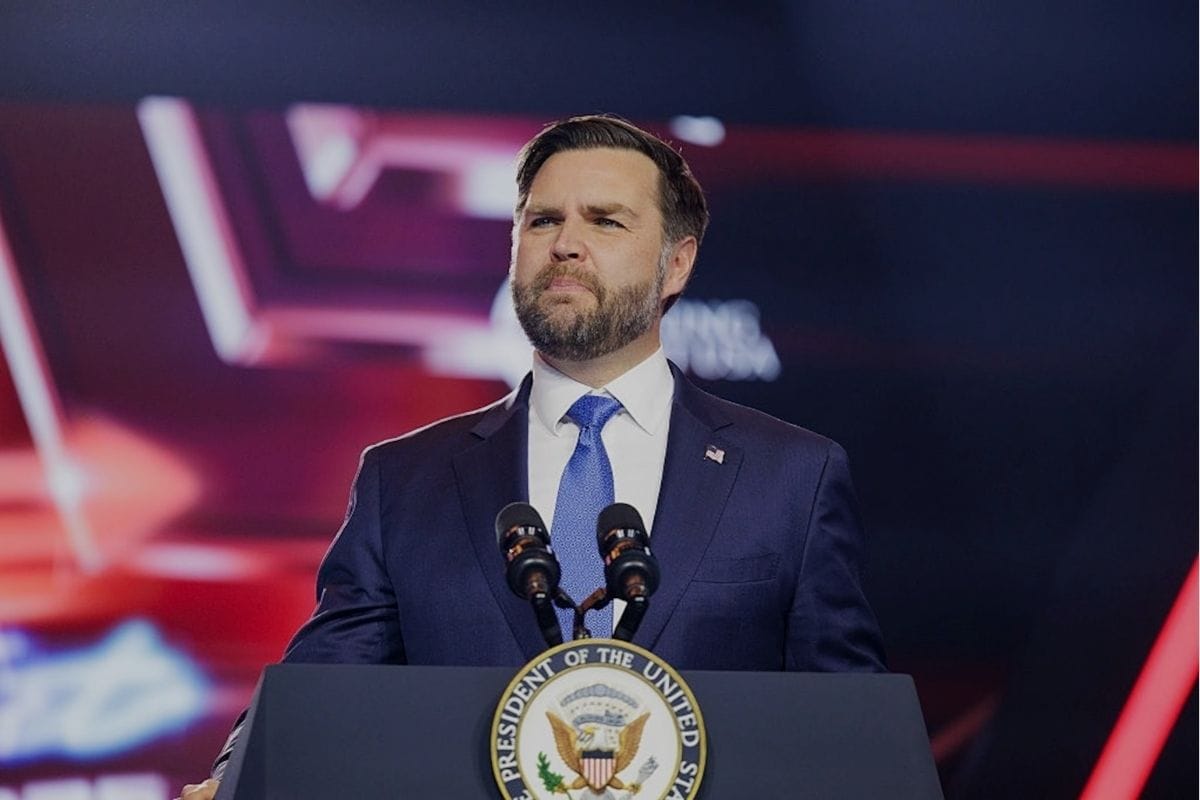
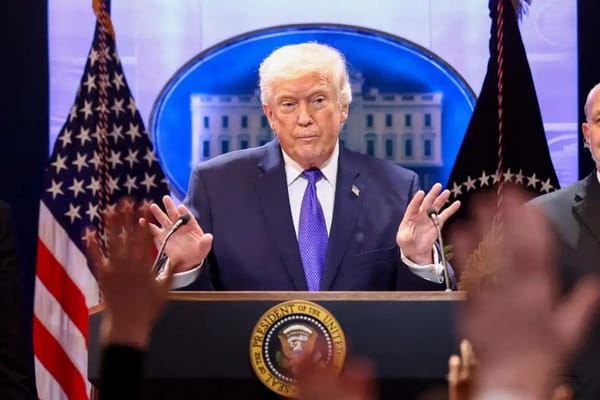
Senator JD Vance’s appearance at a major Turning Point USA event this week marked more than just another speech to a friendly crowd. It underscored how far the Ohio Republican has travelled politically and where he appears to be headed as the conservative movement reshapes itself around loyalty, culture wars, and former President Donald Trump.
Speaking to thousands of young conservative activists, Vance delivered a message that blended populist rhetoric, sharp attacks on Democrats, and open praise for Trump’s influence on the Republican Party. The moment reflected Vance’s evolution from a Trump critic years ago into one of his most vocal defenders in Washington.
From Sceptic to Ally
JD Vance’s political journey has been closely watched, partly because of how dramatically it has changed. Before entering politics, Vance gained national attention as an author and commentator who once expressed serious concerns about Trump and the direction of the GOP.
Those doubts are now firmly in the past.
At the Turning Point USA event, Vance framed Trump not as a divisive figure but as a necessary disruptor who challenged elites and reshaped conservative priorities. His remarks echoed themes popular with younger conservative voters' distrust of institutions, anger over cultural change, and frustration with what they see as a political system stacked against them.
“We were told to fall in line,” Vance said during the speech. “Trump showed us we didn’t have to.”
Why Turning Point USA Matters
Turning Point USA has become one of the most influential conservative organisations in the country, particularly among Gen Z and college-age voters. Its events serve as a testing ground for future Republican leaders and a pipeline for activists who may shape the party for decades.
By taking centre stage there, Vance signalled that he sees this audience as critical to his political future and possibly the future of the Republican Party itself.
The group’s focus on cultural battles, free speech disputes, and opposition to progressive policies aligns closely with Vance’s recent messaging in the Senate. His speech leaned heavily into the idea that conservatives are under attack from the media, universities, and government institutions.
A Message Built on Conflict
Vance’s address was not focused on policy details or legislative accomplishments. Instead, it emphasised conflict between conservatives and liberals, between ordinary Americans and elites, and between what he described as “real people” and powerful institutions.
That approach mirrors Trump’s political style and reflects a broader shift within the GOP. Rather than seeking consensus, many Republican leaders now see confrontation as a strength.
Vance criticised Democrats over immigration, crime, and economic policy, accusing them of prioritising ideology over working families. He also dismissed concerns about Trump’s legal troubles, framing them as politically motivated attacks rather than legitimate investigations.
Critics See Opportunism
Not everyone views Vance’s transformation positively. Critics argue that his alignment with Turning Point USA and Trump reflects a political calculation rather than a principled stance.
Some Democrats and former allies have pointed to Vance’s past statements criticising Trump as evidence of inconsistency. They argue his current posture is designed to appeal to a base that rewards loyalty above all else.
Even some traditional conservatives have expressed concern that figures like Vance are moving the party further away from policy driven governance and closer to personality-driven politics.
Supporters Say He’s Speaking Hard Truths
Supporters, however, see Vance as someone who understands the frustration of working-class voters and isn’t afraid to challenge powerful institutions. They argue that his willingness to confront cultural and political norms is exactly what attracts younger conservatives to figures like Trump and organisations like Turning Point USA.
For many in the audience, Vance’s message resonated because it reflected their own sense of alienation from mainstream politics.
“This is someone who gets it,” said one attendee. “He’s not pretending everything is fine.”
What This Means for Vance’s Future
Vance’s growing visibility at major conservative events has fueled speculation about his long-term ambitions. While he has not publicly discussed running for higher office beyond the Senate, appearances like this place him firmly in the national conversation.
Aligning himself closely with Trump and the activist wing of the GOP could help him build a loyal base, but it also comes with risks. Trump’s influence remains powerful, but polarising, and tying one’s political identity too tightly to him could limit appeal beyond the Republican base.
Still, for now, Vance appears comfortable embracing that path.
A Snapshot of the Modern GOP
Vance’s Turning Point USA speech offered a snapshot of where much of the Republican Party is heading. The focus is less on traditional conservative economics and more on cultural identity, grievance politics, and distrust of institutions.
Whether that strategy leads to long-term success remains an open question. But one thing is clear: JD Vance is positioning himself not as a bridge between old and new conservatism, but as a product of the latest political era shaped by Trump.
As the 2026 and 2028 election cycles approach, figures like Vance and the movements they represent are likely to play a significant role in shaping the future of American politics.