Justice Department Moves To Open Epstein Grand Jury Files After New Law


With Congress mandating disclosure and survivors demanding answers, the DOJ’s push to unveil sealed testimony shows a high-stakes moment in one of America’s most notorious sex-trafficking cases.
On November 22, 2025, the United States Department of Justice filed a motion in the Southern District of Florida asking a federal judge to authorize the release of grand jury transcripts tied to the investigation of Jeffrey Epstein.
According to filings, this request comes in direct response to the passage of the Epstein Files Transparency Act, a law signed earlier this month that mandates the disclosure of unclassified documents and records relating to Epstein’s case.
The DOJ’s filing argues that the statute clearly requires the public release of grand-jury transcripts and that pre-existing protective orders should be lifted.
However, key legal questions remain unresolved, i.e., the law does not explicitly mention grand-jury materials, and the records sought include sealed testimony traditionally protected under tight judicial standards.
A Turning Point in a Long and Painful Investigation
Epstein’s network of abuse and trafficking has haunted the American legal system for years.
His death in a federal jail in 2019 thwarted a full criminal trial and left behind a tangle of sealed records and unanswered questions.
Grand-jury proceedings, inherently secret, have been at the centre of frustration both for victims and the public. In two recent filings, the DOJ acknowledged that the Florida grand juries involved did not hear testimony directly from victims, but rather from law-enforcement agents, raising questions about the scope and depth of the sealed proceedings.
Now, with the new transparency law and renewed pressure from survivors, Congress and the public, the DOJ is attempting to force a release of these records.
That effort marks a cultural one, as the question of whether elite figures allegedly associated with Epstein will ever face full scrutiny has shifted from legal footnote to national spectacle.
Legal Hurdles and the Question of Precedent
Grand-jury secrecy is a cornerstone of the US justice system, as courts allow unsealing only under exceptional circumstances, typically when the proceedings have concluded and disclosure serves the public interest without harming victims or ongoing investigations.
Previous attempts had failed in August and July 2025; federal judges in New York and Florida rejected similar petitions from the DOJ, with one judge calling the request a diversion from the substantial existing public record.
In its latest motion, the DOJ contended that the transparency act changes the legal calculus, that Congress has highlighted a new standard and that the magnitude of public interest justifies release.
Yet critics argue that unless the court reinterprets or expands precedent, the request may again be denied, and the outcome hinges on how the court balances the public’s right to know, survivors’ privacy concerns, and the integrity of the grand-jury process.
Stakeholders, Survivors and Political Ramifications
For survivors of Epstein’s trafficking network, the fight to unveil these documents is deeply personal.
Victim-advocate attorneys have criticized the earlier closed nature of the proceedings and warned that partial disclosure or redaction of third-party identities might amount to a cover-up.
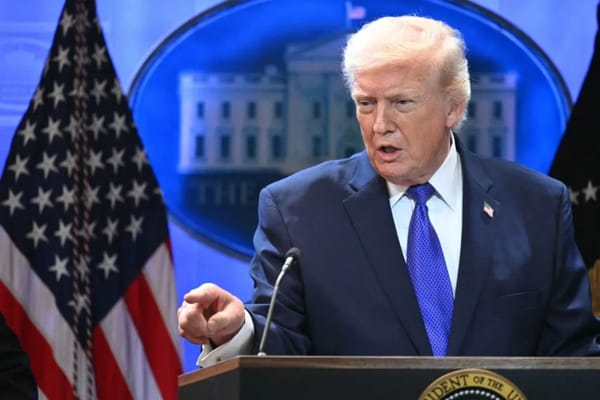
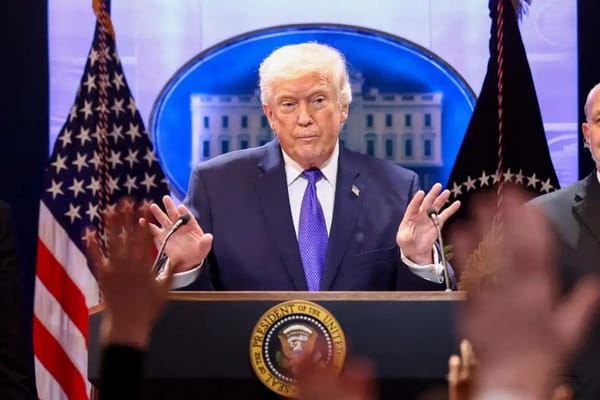
Politically, the issue has captured attention across the aisle, as the Epstein Files Transparency Act passed the House 427-1 and also enjoyed unanimous Senate consent before being signed by President Donald Trump on November 19.
Many in Trump’s base viewed the failure to release files as evidence of a cover-up involving powerful elites.
What Could Be in the Transcripts and What Might Be Left Out
What exactly the grand jury transcripts contain is unknown till now, but suggestions exist that they could include descriptions of meetings, witness accounts of abuse, names of alleged associates, or financial flows tied to Epstein’s network.
Even if the court approves release, redactions are virtually guaranteed due to privacy concerns for victims and potential grand-jury witnesses.
What remains uncertain is whether the closed materials will shed fresh light on remaining questions or simply recycle known facts. The public, and especially survivors, will judge the success of disclosure not just on volume, but on substance.
Beyond the Epstein case itself, this motion reveals a larger trend in the justice system, i.e. demands for transparency clash with longstanding structural protections.
If the court authorizes the release, it may open the door to other sealed grand-jury records in high-profile cases, shifting the balance of secrecy in favour of disclosure.
Conversely, if the documents remain sealed, critics will argue the system favours the powerful and that secrecy continues to protect individuals who escaped accountability.
Moreover, for law enforcement agencies and US attorneys, the case becomes a blueprint of how one maintains victim confidentiality, protects investigative integrity and responds to overwhelming public interest? The handling of Epstein’s transcripts may set a precedent for how future investigations involving elites and the vulnerable will be conducted and disclosed.
What Happens Next and What To Watch
The court now has to decide whether to approve the DOJ’s motion.
The key elements to monitor include whether the judge accepts the statute’s applicability to grand-jury materials and whether survivors and third parties are given a meaningful voice in the process.
Another variable is how quickly the documents are released, as Congress mandated a 30-day deadline after the act’s signing, which places procedural urgency on the DOJ and the court.
In parallel, the DOJ continues to face congressional oversight and public scrutiny, and the House Oversight Committee is pushing for the immediate release of other Epstein files, and the possibility of further hearings looms.
The push by the Justice Department to unseal grand-jury transcripts in the Epstein case is a moment of reckoning. At its core, this is a battle between institutional secrecy and public demand, between the rights of victims to see justice and the procedural protections afforded by the legal system.
How this plays out will reflect whether the American justice system remains capable of transparency when the stakes are highest, and what follows that will determine if the truth is unsealed, for once and for all, or not.