Kevin Hassett Emerges Front Runner As Trump Nears Fed Decision

As Trump signals a pick before year’s end and markets shift on rumour of a dovish nominee, the coming months may reshape American monetary policy and central-bank independence
In the coming spring, when Jerome Powell’s term as Fed chair ends, the direction of US monetary policy could shift profoundly. What might have once been a routine transition is now a focal point of intense scrutiny, even from markets, economists, and anyone concerned with interest rates, inflation, and economic stability. What makes this appointment especially consequential is the tone set for how the Fed balances political pressure and its long-pledged independence.
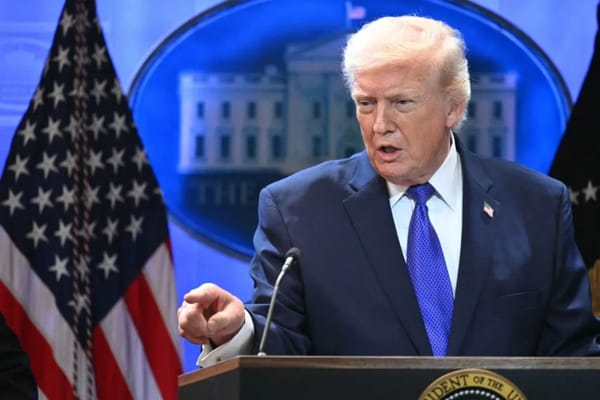
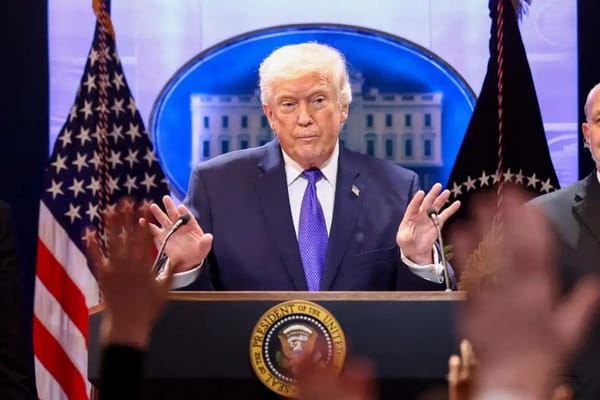
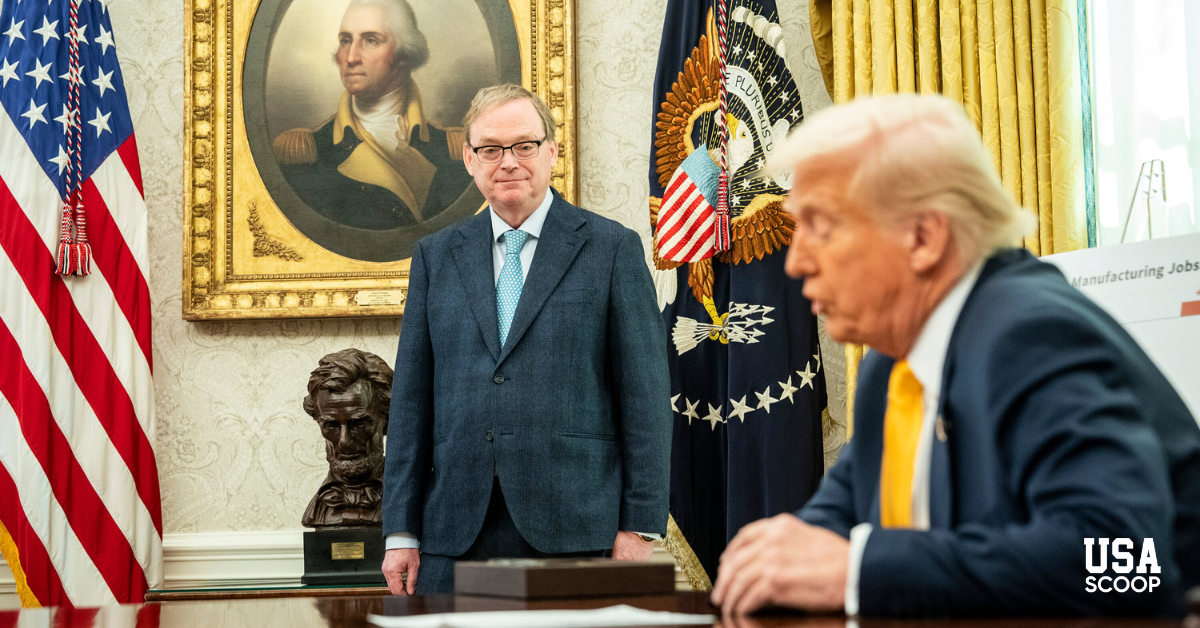
In recent weeks, President Trump has said he already knows whom he will nominate. And among the names circulating is Kevin Hassett, the current director of the White House National Economic Council and a long-time economic adviser to Trump. Multiple media reports, including a Bloomberg account that sources close to the matter regard Hassett as the front-runner, align with this.
If Hassett is confirmed, the Fed could tilt sharply toward the kind of rate cuts and monetary easing that Trump and his supporters have long demanded, a move that would carry significant implications for borrowers, savers, inflation expectations, and global capital flows.
Who’s in the Running And What They Represent
The list of likely successors has narrowed considerably over the past few months. Initially, the field included a broad spectrum of economists, former Fed officials, and financial-industry veterans. But as the deadline approaches, insiders suggest only a few remain at the top of the list, among them Kevin Hassett, former Fed governor Kevin Warsh, current Fed governor Christopher Waller, and a smaller set of potential alternatives.
Hassett is viewed as the frontrunner because he aligns closely with Trump’s stated priority, aggressive interest-rate cuts to spur growth, lower borrowing costs, and increase liquidity. In public remarks after reports of his candidacy surfaced, Hassett told reporters he would be “happy to serve” if nominated.
But other names remain in the mix, as Warsh has a banking and finance background appealing to traditionalists and Wall Street. Waller represents a more technocratic approach, offering continuity, and each name brings a different vision, with different risks and benefits for US monetary policy.
The possibility of a new Chair who supports rate cuts has already had a palpable effect. On financial markets, bond yields dipped, and there has been speculation in interest-rate futures that rate trajectories could shift sooner than previously expected.
But markets are also betting on the Fed’s independence and its ability to resist political pressure when necessary. If the next chair is perceived to be too close to the White House, anxiety over potential inflation spikes or destabilising monetary swings could deepen both domestically and globally. Hence, the central bank’s credibility as a stabilising institution is on the line.
Political Stakes and the Risk of Overreach
For the Trump administration, the replacement of Powell represents a chance to realign US economic policy with its broader agenda. Lower interest rates could benefit consumers, homeowners, and debt-laden sectors, while potentially fueling growth, investments, and public support.
But the stakes are high as a disturbance to the Fed’s independence, even if legally permissible, could reduce public trust in a vital institution whose credibility depends on impartiality and long-term vision. Beyond economic theory, this choice could affect every corner of American life, including mortgage rates, student loans, business borrowing costs, retirement savings, inflation volatility, and even how global investors perceive US financial stability.
The Clock Is Ticking
According to recent reports, President Trump could announce his nominee before Christmas.
That timing is consequential as the markets will respond quickly, and speculators will recalibrate their forecasts, with global economies already being jittery from geopolitical pressures involved.
Once nominated, the candidate will face the Senate confirmation. Given the narrow margins in Washington, this could trigger a fraught political fight, especially if the nominee is seen as an echo of the White House rather than a neutral economic steward.
What This Decision Could Mean for Years
When the next chair of the Federal Reserve is confirmed, it may mark the beginning of a new era, one in which monetary policy aligns more overtly with the political agenda, and in which institutional independence proves to be resilient.
If the administration’s nominee secures confirmation and executes a dovish, rate-reduction strategy successfully, the effects may ripple across lending, markets, growth, and the employment situation. But if inflation surges, the same decision could come to be viewed as reckless, a moment when short-term gains are prioritised over long-term stability.
All eyes are on the White House. The names, rumors, and market reactions swirl, but until the pick is official and the Senate gives its nod, the future of America’s central bank, and the global economy tied to it, stays uncertain.