Khamenei Likely Killed After US-Israel Strikes
Reports say Iran’s Supreme Leader Ayatollah Khamenei was likely killed in US-Israel strikes, raising fears of regional escalation.
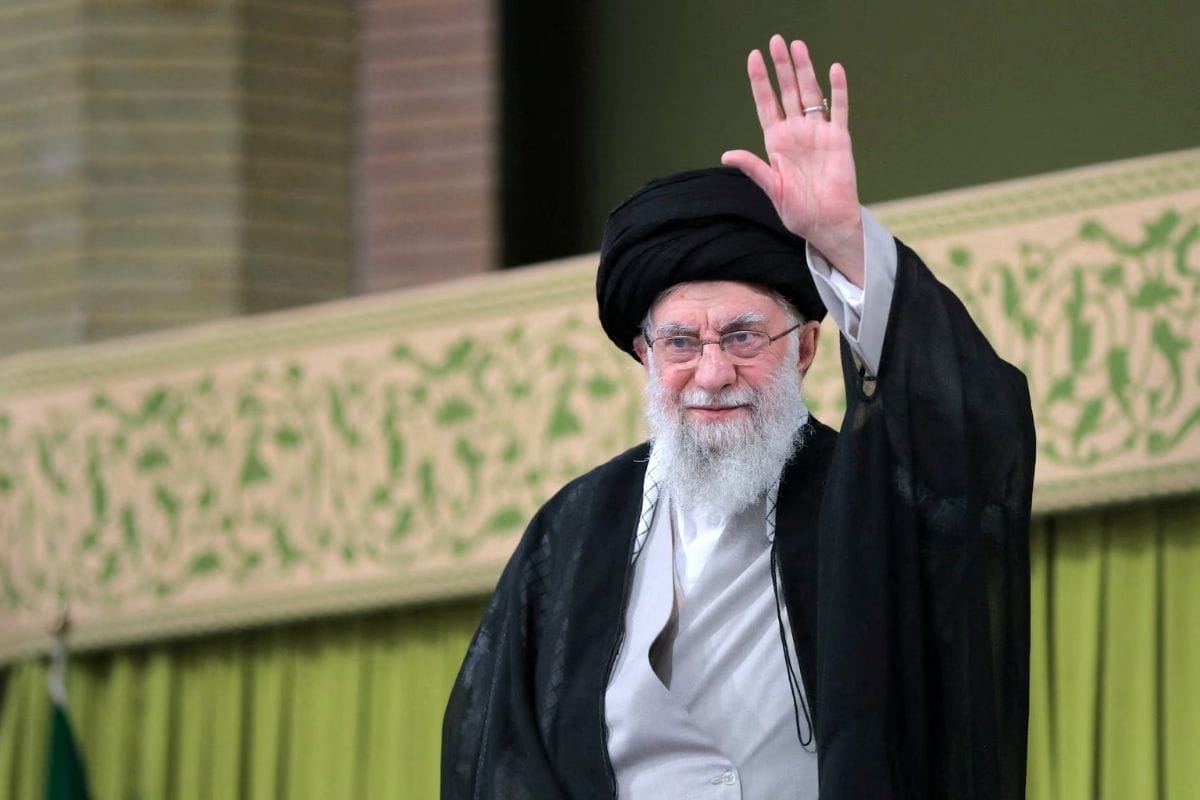
The Middle East woke up to a sentence few imagined reading so soon: Iran’s Supreme Leader Ayatollah Ali Khamenei is likely dead following joint US-Israel strikes.
The reports, still developing, sent shockwaves across Tehran, Washington and beyond. Iranian state media has not fully confirmed the death in clear terms, but multiple sources indicate that Khamenei was critically injured and is now believed to have been killed after strikes targeted high-level military and command infrastructure.
If confirmed, this would mark one of the most consequential geopolitical moments in decades.
For millions of Iranians, Khamenei was more than a political figure. He was the country’s highest authority, the final voice on military and nuclear policy. For Washington and Jerusalem, he symbolized decades of confrontation, sanctions and proxy conflict.
Now, the region stands at an uncertain crossroads.
Strikes Target Senior Iranian Leadership
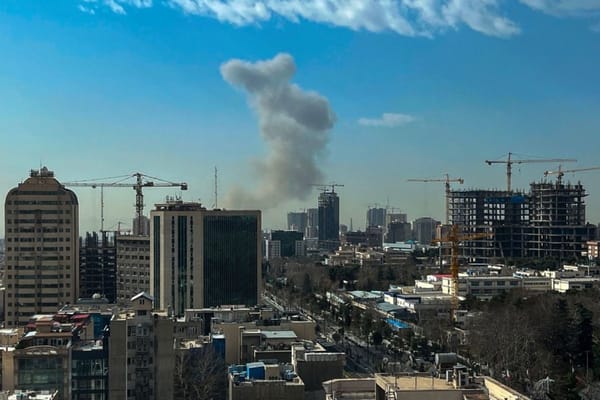
The US and Israel launched coordinated strikes following days of escalating tension with Tehran. Officials described the operation as precise and focused on military command structures and strategic assets tied to Iran’s regional operations.
Initial reports suggested that a high-level leadership compound was among the targets. Within hours, speculation grew that Khamenei had been inside one of the affected facilities at the time of impact.
Iranian officials initially downplayed the damage. But as silence stretched and state broadcasts grew cautious, the likelihood that the Supreme Leader had been fatally wounded gained traction.
Foreign governments scrambled to verify the information. Intelligence agencies assessed satellite imagery and intercepted communications.
Even before full confirmation, global markets reacted. Oil prices surged. Defense ministries went on alert.
Tehran Faces Unprecedented Leadership Vacuum
If Khamenei’s death is confirmed, Iran faces a moment of profound instability. The Supreme Leader holds ultimate authority over Iran’s military, judiciary and foreign policy. His position is not symbolic; it shapes every major decision.
A succession process exists on paper, but in practice, transitions of this magnitude carry risk.
The Assembly of Experts would be tasked with selecting a successor. Yet internal factions, hardliners, pragmatic conservatives and reformist elements could compete intensely behind closed doors.
In the streets of Tehran, reactions are likely to vary. Some citizens may fear instability and external retaliation. Others, long critical of strict clerical rule, may quietly question what comes next.
Security forces are expected to maintain tight control. Communications may be restricted. Public gatherings could face heavy monitoring. This is not a routine political change. It is a foundational shift.
Washington and Israel Brace for Retaliation
From the American and Israeli perspective, the strikes were framed as defensive and strategic. Officials argue that Iran’s recent actions left them with limited options.
Still, eliminating or fatally wounding a sitting Supreme Leader crosses a threshold rarely seen in modern geopolitics. The risk of retaliation looms large.
Iran commands regional proxy networks across Lebanon, Iraq, Syria and Yemen. Even without centralized leadership, those networks could act independently or in coordination.
US bases in the Middle East have reportedly heightened security. Israeli defense systems remain on maximum alert. Allied governments have urged citizens in the region to monitor official advisories closely.
President Donald Trump has not yet delivered an extended address specifically confirming Khamenei’s death, but White House officials signaled that the administration stands ready for “any necessary defensive measures.”
The tone in Washington feels controlled but vigilant.
Oil Markets and Global Stability in Focus
The geopolitical shock rippled immediately through financial markets.
Oil prices climbed sharply as traders weighed the possibility of disruption in one of the world’s most critical energy regions. Shipping routes near key maritime chokepoints could become targets if tensions intensify.
Stock markets showed volatility. Defense stocks rose. Airlines reviewed regional flight paths.Beyond economics, global diplomacy faces strain. European leaders called for urgent de-escalation. The United Nations convened emergency consultations.
China and Russia, both maintaining complex relationships with Tehran, are likely calculating their next moves carefully. The death of a leader of Khamenei’s stature does not remain confined to one country’s borders.
What Comes Next for Iran and the Region
History offers few direct comparisons. Targeted strikes against senior officials have occurred before, but the likely death of a Supreme Leader represents a seismic shift.
Iran’s leadership structure may attempt to project stability quickly. Official ceremonies, state messaging and succession announcements could unfold rapidly to avoid perception of weakness.
At the same time, retaliation may not be immediate. Strategic patience has often defined Tehran’s approach in moments of high tension.
For ordinary people in the region, the questions feel immediate and personal: Will this escalate into open war? Will proxy conflicts intensify? Will sanctions tighten further?
In Washington, the administration must weigh military readiness against diplomatic off-ramps. In Jerusalem, leaders prepare for scenarios that stretch beyond the immediate strike.
The situation remains fluid. Confirmation from Tehran may come in stages. International reactions will shape the narrative in the hours and days ahead. But one reality stands out: if Ayatollah Ali Khamenei has indeed been killed in US Israel strikes, the Middle East has entered a new chapter.
It is a chapter defined not only by force but by uncertainty. And as governments calculate their next moves, millions wait watching, listening and hoping that escalation does not outrun restraint.