
Lauren Boebert Calls for Hillary Clinton Deposition in Epstein Case
Rep. Lauren Boebert calls for Hillary Clinton to give a deposition tied to the Jeffrey Epstein case, reigniting political tensions.
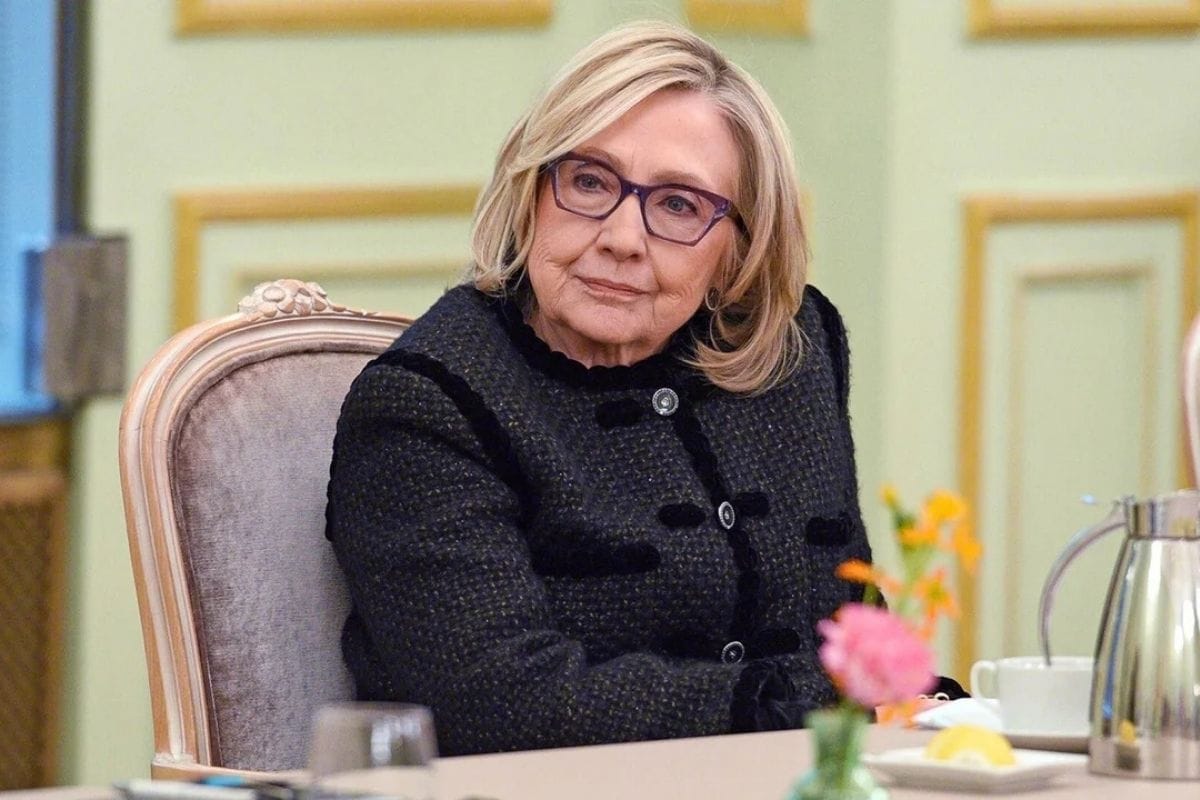
Years after Jeffrey Epstein’s death, his name still has the power to rattle Washington.
This time, it has pulled Hillary Clinton back into the conversation.
Rep. Lauren Boebertwith, the outspoken Republican from Colorado, has publicly pushed for Clinton to sit for a deposition related to matters connected to Epstein. The demand quickly reignited partisan tensions and reopened familiar political fault lines.
For many Americans, Epstein’s crimes left a permanent mark. His ability to move among wealthy and powerful circles and the unanswered questions that followed his death created a lasting sense that not everyone had been fully scrutinized. That lingering frustration helps explain why any new mention of prominent names in connection with Epstein still draws attention.
Now, Clinton, one of the most recognized figures in American politics, finds herself once again at the center of controversy.
Boebert Demands Sworn Testimony
Lauren Boebert did not soften her language. She called for Clinton to answer questions under oath, arguing that transparency requires testimony from high-profile individuals who may have crossed paths with Epstein.
The congresswoman framed her demand as part of a broader effort to ensure that no one regardless of political stature is shielded from scrutiny.
Epstein’s contact list included politicians, business executives and public figures from both parties. Some interactions were social. Others remain murky. While many names have surfaced in flight logs and court documents over the years, being listed has not automatically meant wrongdoing.
Clinton has not been charged with any crime related to Epstein. No court has accused her of criminal conduct tied to his activities. Still, Boebert’s call places her name back into a narrative that has never fully faded from public consciousness.
Clinton’s History With Political Scrutiny
Hillary Clinton is no stranger to investigations.
Over decades in public life from First Lady to senator to secretary of state and presidential candidate she has faced hearings, probes and relentless political attacks. Benghazi. Private email servers. Campaign controversies. Each chapter brought intense examination.
For her supporters, the latest demand feels like a familiar pattern: another attempt to attach her name to scandal without concrete evidence.
For critics, the argument is simple anyone whose name appears in connection to Epstein should answer questions publicly and under oath.
The divide mirrors the broader political landscape. Clinton remains a polarizing figure. To some, she represents experience and resilience. To others, she symbolizes entrenched political power.
When her name appears alongside Epstein’s, even indirectly, the reaction is swift.
Epstein’s Shadow Still Lingers
Jeffrey Epstein’s arrest in 2019 and subsequent death in federal custody left behind a cloud of suspicion that still hangs over Washington.
The scale of his crimes and the apparent reach of his social network shocked the public. Many Americans believe powerful figures escaped deeper accountability.
Flight manifests, court filings and sealed records have fueled years of speculation. Some details have emerged through lawsuits and media reporting. Others remain sealed or disputed.
That incomplete picture feeds frustration. It also makes any new political clash tied to Epstein especially combustible.
Boebert’s call for a deposition taps into that unresolved anger. It suggests that, in her view, the accountability process is not finished.
Legal Reality Versus Political Theater
There is a difference between demanding a deposition and securing one.
Depositions occur within active legal proceedings. Courts require evidence and legal justification before compelling testimony. At this stage, it is unclear whether any court action is underway that would require Clinton to testify in connection to Epstein.
Legal analysts caution against conflating political statements with judicial process. Public calls for testimony may generate headlines, but formal depositions require structured legal foundations.
Still, in an election year environment, symbolic gestures matter. Political figures often use high-profile names to energize supporters and frame broader arguments about trust and transparency.
For Boebert, the move reinforces her image as confrontational and uncompromising. For Clinton’s defenders, it reinforces a belief that partisan motives drive many of these calls.
A Political Flashpoint in an Election Season
The timing is not accidental.
As campaigns intensify, candidates and lawmakers sharpen contrasts. Epstein’s name carries emotional force. It represents power unchecked, crimes unpunished and institutional failure.
Invoking Clinton in that context draws attention quickly.
The broader public response appears mixed. Some voters express frustration that years after Epstein’s death, definitive answers still feel out of reach. Others question whether focusing on familiar political rivals distracts from current policy challenges.
What remains clear is that Epstein’s legacy continues to ripple through American politics. His case exposed deep distrust in institutions. It also created a vacuum of unresolved questions.
When a figure like Clinton is pulled back into that vacuum, the reaction is immediate and deeply divided.
For now, there is no indication that Clinton will be compelled to sit for a deposition. There is no formal charge or legal accusation tied to the demand. But the political impact has already landed.
In Washington, old controversies rarely disappear entirely. They resurface, reshape narratives and remind voters of unfinished chapters.
And in the case of Jeffrey Epstein, the chapter still feels incomplete, a reality that ensures his name, and the names linked to him, will continue to surface in political battles for years to come.