Lindsey Halligan Exits After Judge Threatens Sanctions , Judge Calls It a “Charade”

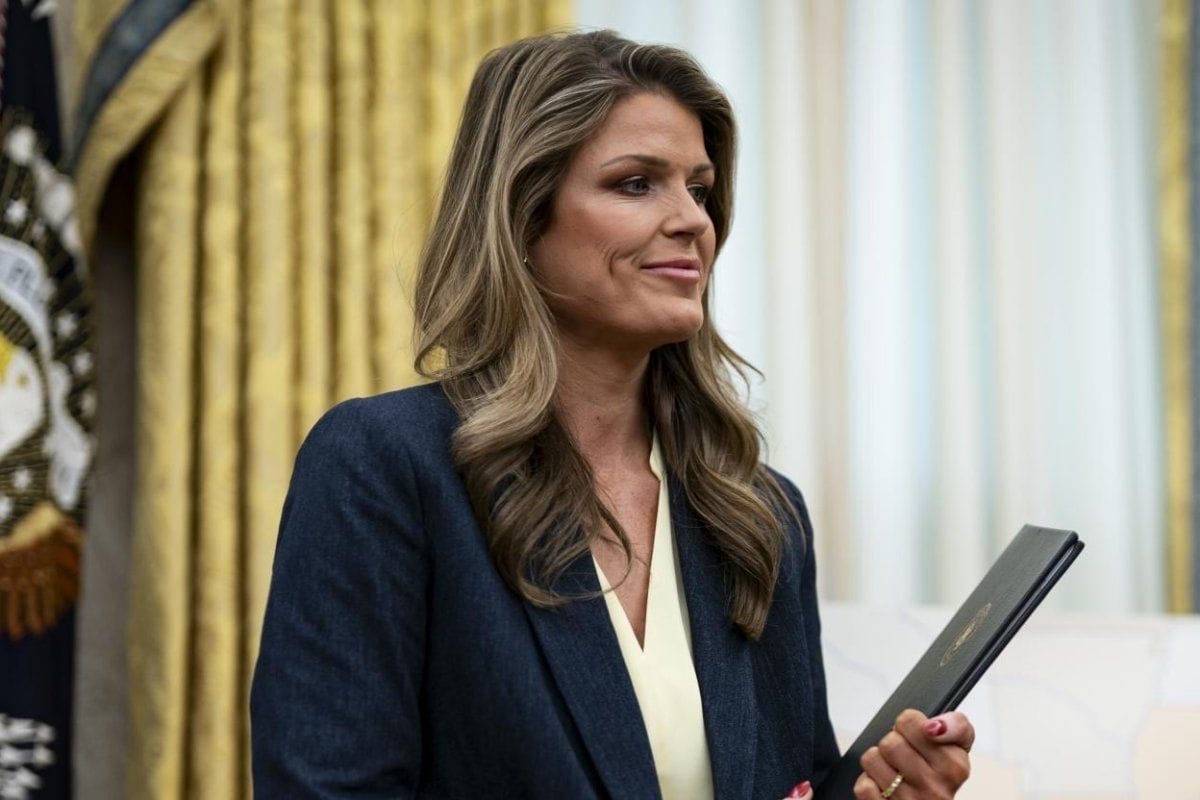
Lindsey Halligan’s short and controversial run at the U.S. Department of Justice has come to an abrupt end, following sharp criticism from a federal judge who questioned both her authority and the way she represented herself in court.
On January 20, Attorney General Pam Bondi announced that Halligan had officially left her role at the Justice Department. The move came just hours after a federal judge warned that Halligan and other prosecutors could face disciplinary action for continuing to use a title the court said she never lawfully held.
Halligan, a former personal lawyer to President Donald Trump, had been serving as the U.S. Attorney for the Eastern District of Virginia on an interim basis. Her appointment and her actions while in the role had been under legal scrutiny for months.
A Judge Draws a Hard Line
The immediate trigger for Halligan’s departure was a ruling from U.S. District Judge David Novak. In a sharply worded decision, Novak ordered Halligan to stop referring to herself as the U.S. Attorney in filings before his court. He described her continued use of the title as a “charade” and warned that sanctions could follow if it continued.
The judge also criticized the Justice Department itself, suggesting that prosecutors were ignoring or pushing back against earlier court findings that Halligan’s appointment was invalid. Novak said the department’s tone in recent filings crossed a line, calling it more appropriate for television commentary than a federal courtroom.
His message was clear: the court did not recognize Halligan as the lawful head of the office, and any attempt to suggest otherwise would not be tolerated.
Questions Over Her Authority
At the heart of the controversy was whether Halligan had ever been properly appointed. Federal law allows interim U.S. attorneys to serve for 120 days without Senate confirmation. However, judges had already ruled that Halligan’s appointment either expired long ago or was invalid from the start.
Even under the Justice Department’s own interpretation, Halligan’s 120-day term ended on January 20, the same day Bondi announced her departure.
Earlier, in November 2025, a separate federal judge dismissed two high-profile cases Halligan had brought, ruling that she was not lawfully authorized to lead the office. Those dismissals dealt a major blow to her tenure and raised serious concerns about the legitimacy of her work.
The Justice Department has since appealed those dismissals, but the rulings cast a long shadow over Halligan’s authority.
High-Profile Cases and Rising Scrutiny
Halligan gained national attention last year after her office brought criminal charges against former FBI Director James Comey and New York Attorney General Letitia James. Both cases were politically sensitive and immediately controversial.
Critics questioned how a lawyer with no prior prosecutorial experience had suddenly risen to one of the most powerful federal law enforcement roles in Virginia and how she was able to pursue such high-stakes cases so quickly.
Those concerns intensified when courts began examining how she was appointed and whether the process followed the law.
Political Blame and the “Blue Slip” Fight
In announcing Halligan’s exit, Attorney General Pam Bondi placed blame squarely on Virginia’s Democratic senators. She accused them of abusing the Senate’s “blue slip” tradition, a longstanding practice that allows home-state senators to block U.S. attorney nominees.
According to Bondi, the senators’ refusal to support Halligan’s nomination made it impossible for her to continue in the role beyond the temporary appointment period.
Democrats, however, have argued that the issue was never political obstruction but legality. Judges agreed that without proper confirmation or court appointment, Halligan lacked the authority to hold the position.
How Halligan Got the Job
Halligan’s appointment followed the sudden departure of her predecessor, Erik Siebert, in September. Reports later revealed that Siebert had expressed doubts about pursuing charges against Comey and James. Although he initially said he resigned, President Trump later stated publicly that Siebert had been fired.
Soon after, Bondi authorized Halligan to serve as interim U.S. attorney. At the time, Halligan had never served as a prosecutor, a fact that raised eyebrows among legal professionals.
Within weeks, her office secured indictments in the Comey and James cases, moves that drew both political praise and intense legal criticism.
A Tense End to a Short Tenure
In the days leading up to her exit, the Justice Department adopted a defiant tone, accusing Judge Novak of overstepping his authority by questioning Halligan’s appointment. Novak rejected that argument outright, saying the department’s response was inappropriate and dismissive of the court’s role.
Ultimately, the standoff ended with Halligan’s departure, though without any acknowledgement of wrongdoing by the department.
Her exit leaves the Eastern District of Virginia without a confirmed leader and raises lingering questions about the cases she brought, the authority under which they were filed, and the broader implications for how U.S. attorneys are appointed.
What Comes Next
The Justice Department’s appeal of the dismissed cases remains ongoing, and the legal fallout from Halligan’s tenure may continue for months. Meanwhile, the episode has reignited debate over prosecutorial independence, political influence, and the limits of executive power in appointing federal officials.
For now, Lindsey Halligan’s time at the Justice Department stands as a cautionary tale one shaped by rapid promotion, intense political pressure, and ultimately, firm resistance from the courts.