Maduro Pleads Not Guilty in U.S. Court as Venezuela Swears in Interim President

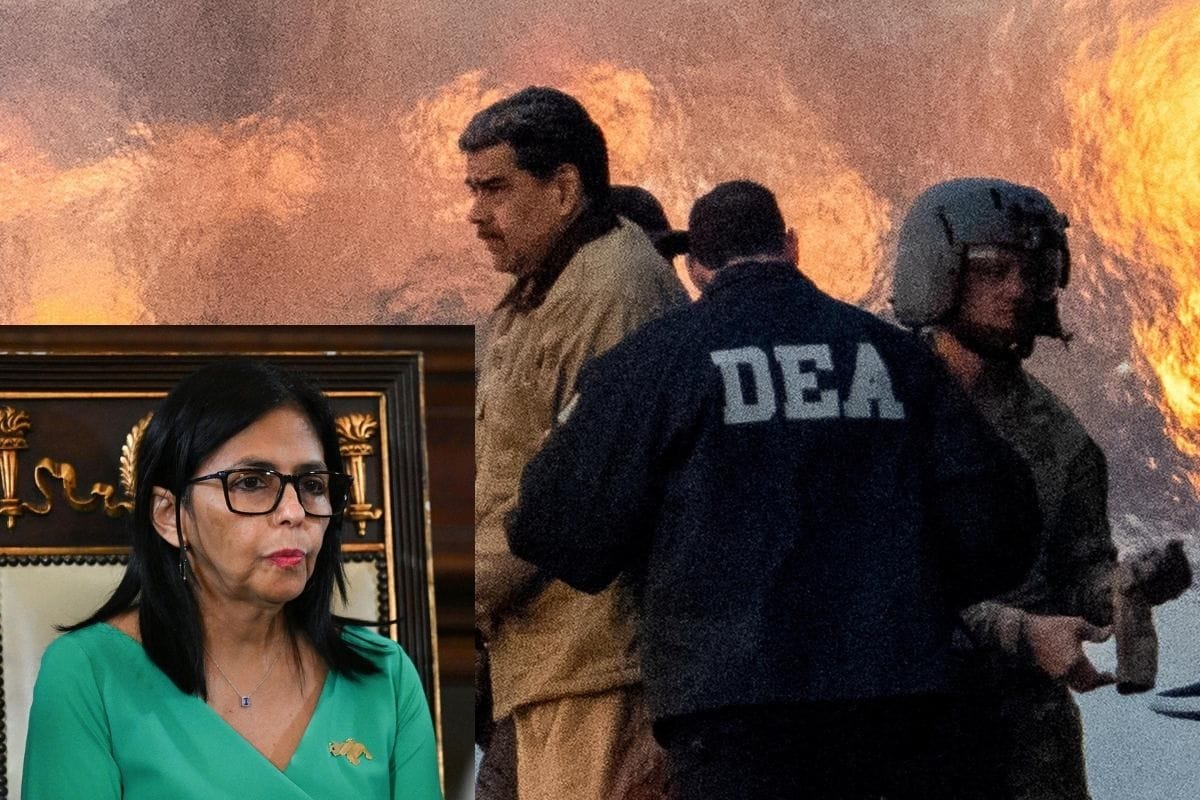
Venezuela entered a new and deeply uncertain chapter on Monday as Vice President Delcy Rodríguez was sworn in as the country’s interim president, just hours after ousted leader Nicolás Maduro appeared in a New York courtroom, where he pleaded not guilty to serious U.S. criminal charges and insisted he remained Venezuela’s rightful president.
The dramatic sequence of events unfolded against a backdrop of rising global tension, emotional scenes inside both Venezuela’s parliament and a Manhattan federal court, and growing questions about what comes next for the oil-rich South American nation.
A Defiant Court Appearance in New York
Maduro’s court appearance in Manhattan was brief but intense. Shackled and flanked by U.S. marshals, the longtime Venezuelan leader stood before Judge Alvin Hellerstein and rejected all four charges brought against him, which include narco-terrorism conspiracy, cocaine trafficking, and illegal weapons offenses.
Speaking directly to the court, Maduro declared that he was still the sitting president of Venezuela and described himself as a “kidnapped president” and a “prisoner of war.” His comments drew a sharp response from the judge, who reminded him that there would be “a time and a place” to raise such arguments.
At one point during the hearing, a member of the public shouted at Maduro in Spanish, accusing him of crimes against his people. Maduro turned toward the voice and responded angrily before being escorted out of the courtroom alongside his wife, Cilia Flores, through a rear exit.
The next hearing in the case has been scheduled for March 17.
Caracas Responds: Rodríguez Sworn In
While Maduro was appearing in court, Venezuela’s National Assembly convened in Caracas for an emergency session that quickly turned emotional. Lawmakers opened proceedings with demands for Maduro’s immediate release from U.S. custody, calling his capture an illegal act of aggression.
Shortly afterward, Delcy Rodríguez, who has served as vice president since 2018, was formally sworn in as interim president. Fighting back emotion, Rodríguez said she accepted the role “with pain,” describing Maduro and Flores’ capture as a kidnapping carried out by foreign forces.
She vowed to preserve stability in Venezuela and promised to safeguard what she called the country’s peace, dignity, and sovereignty during what she described as an “illegitimate military aggression.”
Thousands of Maduro supporters gathered outside the Federal Legislative Palace during the ceremony, waving flags and chanting slogans in support of both Maduro and Rodríguez. Security forces were deployed across the capital to prevent unrest.
International Fallout and UN Debate
The events in Venezuela quickly spilt onto the international stage. An emergency meeting of the United Nations Security Council was called, where the U.S. and Venezuela exchanged sharp words.
Venezuela’s UN ambassador accused the United States of launching an unlawful armed attack without legal justification, calling it a violation of international law. He warned that the precedent set by the operation could destabilize global order.
The U.S. ambassador countered by labeling Maduro an illegitimate leader and a fugitive from justice, arguing that Venezuela’s vast energy resources could not remain under what Washington views as criminal leadership. He described the operation as a “surgical law enforcement action,” not a military invasion.
Despite strong criticism from several countries, the United States defended its actions as necessary for regional security and drug enforcement.
Washington Divided Over the Plan Forward
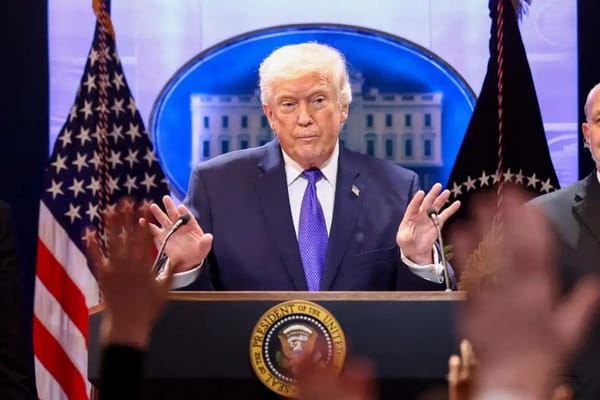
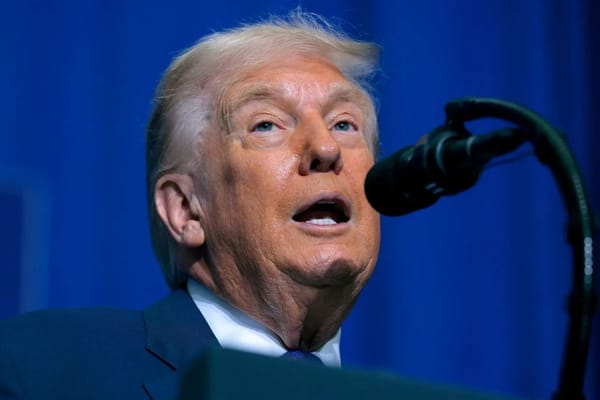
Back in the United States, questions began mounting about the long-term plan for Venezuela. President Donald Trump stated that the U.S. would effectively “run” the country until a safe and orderly transition could be achieved, suggesting American oil companies would help rebuild Venezuela’s battered energy infrastructure.
However, the clarity of that plan was immediately challenged.
After a classified briefing at the U.S. Capitol, Senate Minority Leader Chuck Schumer said lawmakers were left unsatisfied, describing the strategy as vague and rooted in wishful thinking. He warned that similar U.S. interventions in the past often resulted in unintended consequences and prolonged instability.
House Speaker Mike Johnson pushed back against claims of regime change, saying the operation was meant to force a behaviour change, not governance. He argued that economic pressure, particularly through seized oil exports, could bring about rapid political change.
Still, divisions within Washington remain, with many lawmakers uneasy about the scope and implications of U.S. involvement.
Maduro’s Allies Remain in Control
Despite the arrest of Maduro, power on the ground in Venezuela remains firmly in the hands of his allies. The military has pledged loyalty to Rodríguez’s interim government, and no immediate signs of internal collapse have emerged.
Maduro’s son addressed the National Assembly during Monday’s session, offering unconditional support for his parents and for Rodríguez. He insisted that his parents would eventually return to Venezuela and reclaim their place in history.
Rodríguez herself struck a careful tone after taking office. While condemning the U.S. operation, she signaled a willingness to explore limited cooperation with Washington, saying any engagement must respect international law and Venezuela’s sovereignty.
A Nation at a Crossroads
For ordinary Venezuelans, the situation remains tense and uncertain. Years of economic hardship, inflation, and political division have left the population weary of instability. While some see Maduro’s arrest as long-overdue accountability, others view it as a dangerous foreign intervention that could make life even harder.
As Maduro prepares for his next court appearance in the U.S. and Rodríguez attempts to consolidate power at home, Venezuela stands at a crossroads, caught between global power struggles, internal loyalty, and an unclear path forward.
What happens next may not only reshape Venezuela’s future but also redefine how the world responds when geopolitics, justice, and sovereignty collide.