Major Shake-Up at Washington Post as CEO Will Lewis Exits

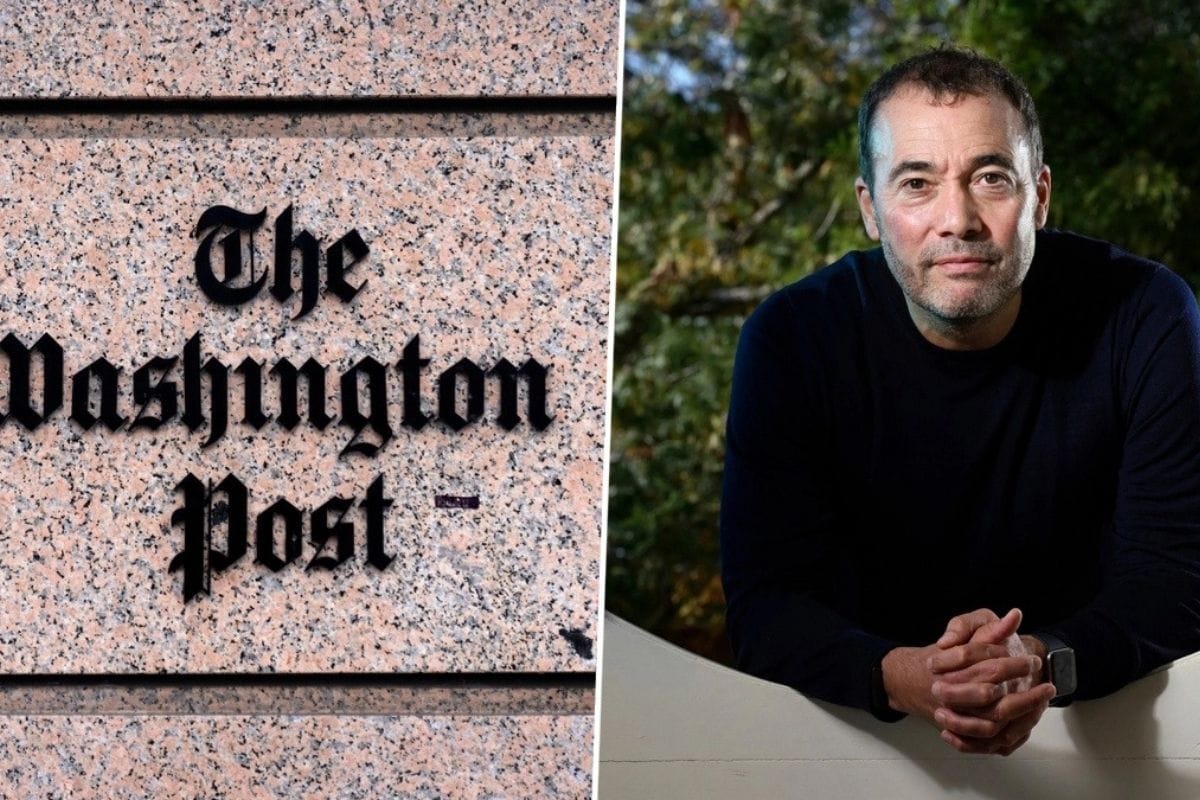
The Washington Post is heading into yet another moment of change after CEO Will Lewis announced he is stepping down. His exit doesn’t come with dramatic accusations or a sudden scandal, but it lands at a time when the paper and the entire news industry are under serious strain.
For an institution that has shaped American journalism for generations, leadership changes are never just about titles. They’re about direction, trust, and survival in a media world that looks nothing like it used to.
A Tough Job From Day One
When Will Lewis took over as CEO, he inherited a newsroom already under pressure. Advertising dollars were shrinking. Digital subscriptions were no longer growing at the pace they once were. Costs were rising, and reader habits were changing fast.
Lewis came in with a reputation as a steady hand, someone who understood global media and knew how to manage large organizations during difficult times. The goal was simple on paper but brutally hard in practice: stabilise the business without breaking the newsroom's soul.
That’s a line many media executives struggle to walk. Lewis was no exception.
Running a Newsroom in Survival Mode
During Lewis’s time as CEO, the Washington Post faced layoffs and restructuring. These moves were described by leadership as necessary to keep the company financially healthy. Inside the newsroom, however, they were painful and deeply personal.
For journalists, layoffs aren’t just numbers on a balance sheet. They mean fewer colleagues, heavier workloads, and lingering anxiety about what comes next. Even when leaders explain the logic behind cost cuts, the emotional toll is real.
Lewis often spoke about sustainability about ensuring the Post could survive long-term. But sustainability doesn’t always feel reassuring when people worry about the future of the work they love.
The Bigger Storm Facing Journalism
Lewis’s departure can’t be separated from what’s happening across the entire media industry. News organizations everywhere are fighting for attention in a world dominated by social media, streaming platforms, and endless content.
Trust in the media has become polarized. Younger audiences consume news differently. Advertisers have more options than ever. Even the most respected outlets are being forced to rethink how they operate.
The Washington Post, despite its prestige, is not immune. Being famous for great journalism doesn’t automatically pay the bills anymore.
Internal Friction and Growing Unease
While there was no public meltdown, it became increasingly clear that tensions existed inside the organization. Some staff felt disconnected from leadership decisions. Others worried that financial pressures were overshadowing the newsroom’s mission.
Lewis wasn’t accused of wrongdoing, but his leadership style and approach didn’t fully ease those concerns. Over time, it became apparent that the moment might call for a different voice at the top or at least a reset.
His decision to step down seems to acknowledge that reality.
What This Means for the Washington Post
For now, the Post has not named a permanent replacement. That process will likely take time, and the choice will matter deeply.
The next CEO won’t just be managing a business. They’ll be stepping into a newsroom filled with pride, exhaustion, talent, and uncertainty all at once.
Whoever takes the role will need to answer some uncomfortable questions:
- How do you fund serious journalism in a fast-moving digital world?
- How do you rebuild morale after repeated rounds of cuts?
- And how do you modernize without losing what made the Washington Post special in the first place?
The Washington Post is owned by Jeff Bezos, who bought the paper more than a decade ago. His ownership brought investment, innovation, and a major digital push. But even Bezos’s resources can’t fully protect the Post from industry-wide forces.
Lewis’s departure may signal that ownership is rethinking strategy, not abandoning the Post, but reassessing how best to guide it through its next chapter.
The End of One Chapter, Not the End of the Paper
Will Lewis’s time as CEO will likely be remembered as a difficult, transitional period rather than a defining era. He stepped in during a storm and did what many leaders do in that situation: made hard calls, some of which were unpopular.
His exit doesn’t mean the Washington Post is failing. It means the paper is still searching for the right formula in an industry that’s still figuring itself out.
The Post has survived wars, political scandals, and massive technological change before. This moment is just another test and tests often bring reinvention.
For readers, this leadership change may not immediately alter what appears on the front page. But behind the scenes, it’s a reminder that journalism today is a constant balancing act between purpose and profit.
As the Washington Post turns the page once again, the hope inside the newsroom and among its loyal readers is that the next chapter brings clarity, stability, and a renewed sense of direction.
The story of the Washington Post isn’t over. It’s simply evolving, like the industry around it.