Mall Gunfire on Black Friday Shatters Holiday Buzz at Valley Fair

A routine shopping surge turned into chaos when gunfire erupted at one of Silicon Valley’s busiest malls, raising painful questions about safety and what triggers mid-holiday panic.
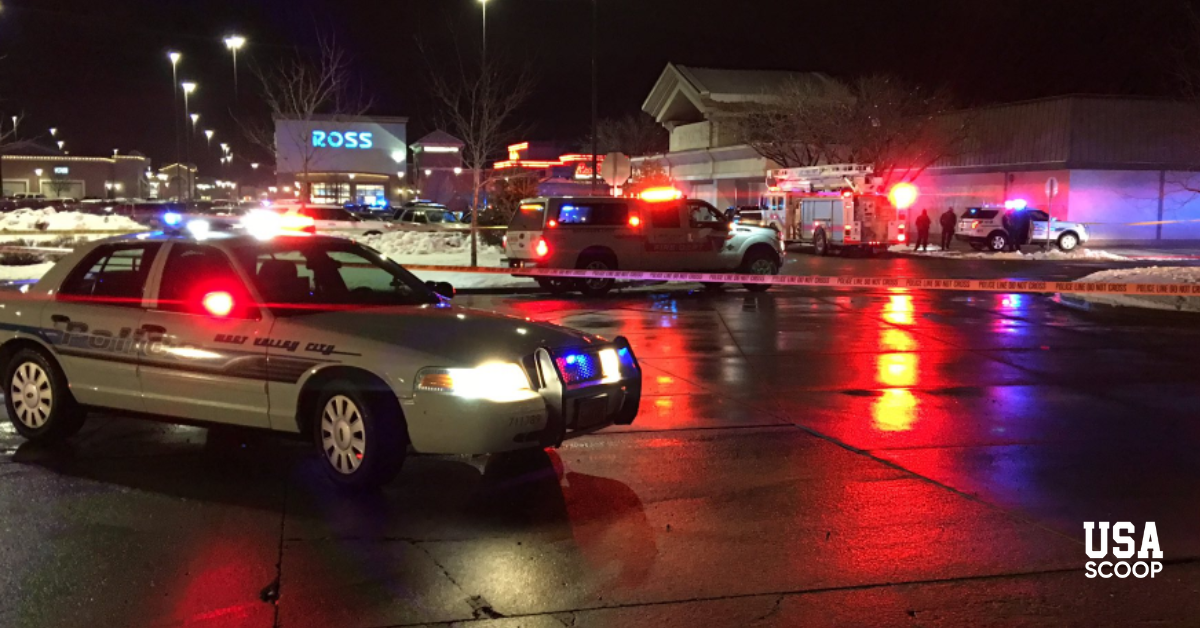
On the evening of Black Friday, when the aisles of Westfield Valley Fair were crowded with early bird shoppers hunting deals and families navigating the holiday rush, violence pierced the festive hum.
Several shots rang out near the Macy’s wing of the mall, and security alarms, screams, along frantic footsteps followed.
Within minutes, law enforcement arrived, and the mall was locked down, with shoppers, many carrying shopping bags, ducking for cover under store counters, in fitting rooms, even behind displays.
Windows were blurred, mannequins had frozen mid-pose, and the atmosphere turned from sale-hungry to terrified in seconds.
According to police, three people sustained gunshot wounds and were rushed to the hospital. Among the victims were two adults and a teenager, and authorities said that, though wounded, none appeared to be in immediate life threatening condition.
By 6:30 p.m., officers had declared the incident an isolated shooting incident, but the damage was done, as phones had captured terrified shoppers and social media had exploded with live clips. For many, Black Friday had become a night of fear rather than bargains.
Why This Incident Reverberates Far Beyond San Jose
Shootings at malls are no longer rare enough to be dismissed as freak tragedies.
In a country already reeling from repeated mass shooting episodes in schools, workplaces, and other public spaces, a gunfire outbreak in a retail hub, especially on Black Friday, strikes at the heart of an everyday American ritual.
In the case of families, for holiday season workers, and for shoppers expecting safety along with sales, this kind of violence shakes deeply held assumptions about normalcy and public trust.
What happened at Valley Fair underscores a harsh reality: places built for leisure, commerce and community are increasingly vulnerable. The fact that the incident occurred during the holiday rush gives it sharper resonance: this space should have felt safe and predictable. Instead, it became unpredictable and dangerous.
Local officials had moved quickly to secure the area, evacuating the mall, and urging residents to avoid the area, whilst publicly assuring that there was no ongoing threat. The mayor of San Jose, in a message on social media, expressed solidarity with the victims and commended law enforcement for their rapid response.
The fundamentally unsettling message that continues is that if casual shopping trips can end in gunfire, what does that say about safety across America’s public spaces?
Questions Over Motive, Investigation and Speed
At present, police are treating this as an isolated incident, and there is no ongoing active-shooter situation that has been declared.
Despite that, the mood among many witnesses, shaken, angry, says that for all the assurances, injuries and trauma do leave a mark. Many who sheltered in closets or behind mannequins described a sense of disbelief at an event that was so sudden that it felt surreal, in a sharp contrast to the ordinary bustle of a holiday sale.
Authorities say that the suspect, as of last update, remains at large.
Some reports indicate the shooter fled the scene before officers arrived, and multiple casings were found near the Macy’s entrance.
For investigators, the immediate priorities include canvassing the surveillance footage, interviewing witnesses, and attempting to locate the responsible individual before panic switches into speculation.
In a region that prides itself on technology and innovation, where many households hold multiple surveillance cameras and smartphones are ubiquitous, a mall shooting also lays bare glaring gaps in prevention as public-space security continues to be fragile and reactive rather than anticipatory.
Retail Pressure and the Perfect Storm of Violence
That the shooting happened on Black Friday may offer clues about the motive behind the attack. Malls across America push opening hours early, stock up staff, crowd stores with eager consumers, and run tight security operations.
The pressure is high, as expectations of large crowds, long hours, overstretched staff, and chaotic inventory control.
In such an atmosphere, tempers can flare, as frustration over long checkout lines, theft, crowding, or even misunderstandings can escalate beyond measure. Add to that the pervasive availability of firearms in the United States, and a heated confrontation can suddenly become deadly. While investigators have yet to publicly confirm the motive or trigger, the environment itself, i.e., crowded, chaotic, and high-stakes, becomes a part of the larger story behind the violence.
Many of the retail workers are employees of colour, or students, people working multiple jobs to make ends meet, and the incident becomes a stark reminder of the occupational hazard in a country where public-facing jobs no longer guarantee public safety.
Aftershocks of Fear
Beyond those wounded, many more will feel the effects of this shooting, as employees who closed the shop that night, families that hurried home, and shoppers who fled without grabbing their purchases, all will carry some sort of emotional wreckage. For a few of them, the trauma may linger far longer than the holiday week, as patients were sent to hospitals, and trauma counselling services will likely be in demand in the times to come.
Retail businesses now face reputational risk, as shoppers might think twice before visiting, especially after dark or on crowded sale days. For a mall like Valley Fair, which draws from across Silicon Valley, losing foot traffic harms the livelihoods of workers, small businesses, and vendors tied to seasonal sales.
For the wider community, it also prompts deeper questions about public safety, policing, gun control, and preventive measures. School administrators, local officials, and community leaders could now face pressure to re-examine security protocols for other public gathering spaces, malls, theatres, concert venues, and transit hubs.
Response and Reform Pressure
The next day, officers continue to comb through CCTV footage and witness statements, i.e.forensic teams search for evidence, and social media has dozens of videos of shoppers fleeing, hiding, along with the calling of loved ones. The public is watching how quickly a suspect is identified and whether arrests follow in this episode or not.
Community groups, including local residents to advocacy organisations concerned with gun violence, are preparing to demand action. They may call for wider reforms, encompassing better metal detector screening at malls, routine bag checks, expanded security staff, and training for retail workers in crisis response.
Politically, too, the timing is delicate. With national debates over gun rights, public safety and policing already heated, a Mall shooting on one of America’s busiest shopping days could shift some attention back to regulation, and for local leaders, maintaining silence in this time would feel like complicity.
For many Californians, Westfield Valley Fair is part of the rhythm of holiday seasons with the promise of deals, family outings, bustling crowds, and festive lights. This Black Friday, that rhythm was broken and was replaced by sirens and uncertainty.
In the coming weeks, the San Jose community of shoppers, workers, and officials will decide whether to treat the shooting as an aberration or a symptom, or a warning that a culture of gun availability and fragile public-space security can transform even the ordinary into the deadly.
The story is about what happens next, over whether the noise fades with the sirens or whether it becomes a louder conversation about safety and the cost of commerce in a country long defined by both.