
Microsoft Faces Steep Climb To Make Copilot the AI Chatbot Leader It Promised
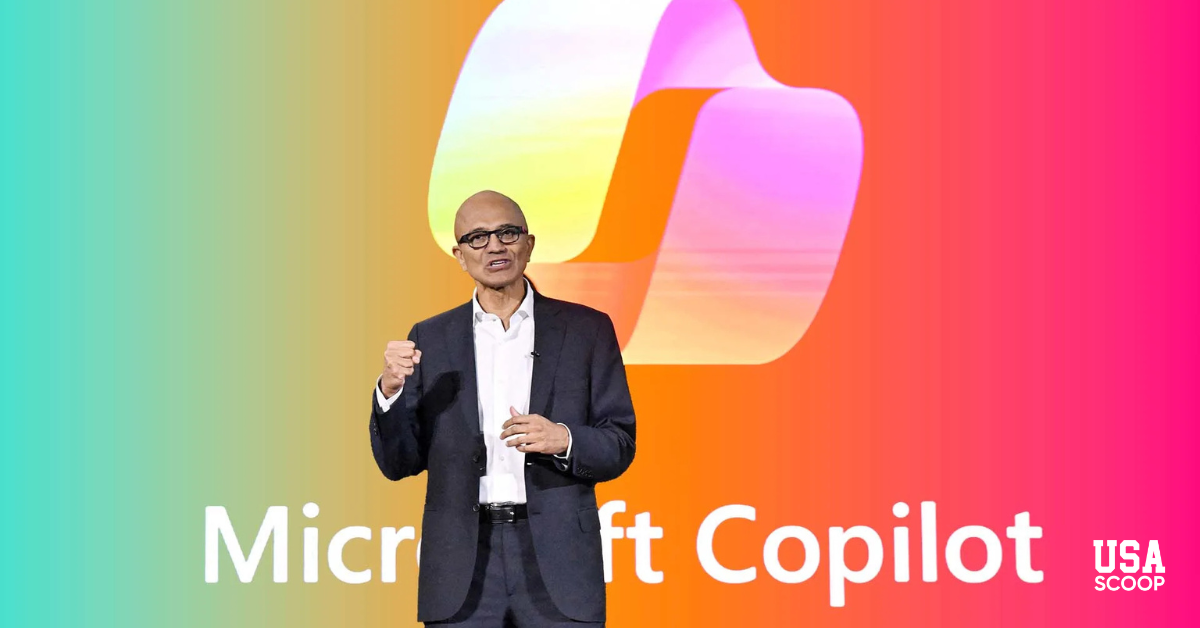
Despite vast infrastructure and OpenAI ties, Microsoft’s Copilot must bridge user trust and product coherence to close the gap with rivals.
Microsoft has staked a major portion of its generative-AI future on its assistant platform known as Copilot, betting that the next wave of computing will centre on natural-language interfaces embedded across productivity, search and apps.
Yet, as insiders admit and public signals reveal, the vision remains ahead of the outcome projected thus far. Although Copilot has been integrated into Microsoft 365 apps, Bing, Edge and Azure environments, the company acknowledges that turning infrastructure and capability into meaningful market dominance is an uphill climb, as reported by CNBC.
Enterprise Integration Is Taking Longer Than Expected
The corporate world has proved to be a far tougher market for chat-based assistants than marketing headlines suggest.
Microsoft AI chief Mustafa Suleyman has stated that the key metric for the team is SSR, Successful Session Rate, which draws on anonymised logs and sentiment analysis to measure whether Copilot did what users intended.
He said SSR has risen dramatically, but Microsoft declined to release exact figures.
In practical terms, that means Microsoft is aware of the gap between delivering a product and delivering value. Meanwhile, enterprise buyers featured at the company’s Ignite conference this year questioned consistency, cost and workflow disruption, factors slowing broad adoption.
Consumer Recognition and Stickiness Remain Weak
On the consumer front, even though Copilot sits in major Microsoft products and is backed by the company’s ecosystem, it still lags competitors in visibility and usage.
Data reported by Sensor Tower and cited widely indicate that Copilot’s consumer app downloads are a fraction of rivals like ChatGPT, and users report missing features, accuracy issues and a perception that Copilot remains nice to have as a property rather than being indispensable.
The gap between Microsoft’s ambition and the consumer reality must still be considerably narrowed.
Competitive Pressure from Within and Without
Microsoft’s challenges are compounded by the fact that its biggest internal asset, its investment in and partnership with OpenAI, is now also a source of tension.
CEO Satya Nadella earlier acknowledged that OpenAI had enjoyed an approximate two-year uncontested lead in the AI race, giving it a de facto head start in establishing a user base and model dominance.
This dynamic raises the question of whether Microsoft will ever overcome the inertia of being seen as a follower in consumer AI even while integrating OpenAI models.
Meanwhile, competitors like Google (with Gemini) and Salesforce (with Agentforce) are positioning themselves not just as challengers but as alternatives to what Microsoft offers.
Salesforce CEO Marc Benioff described Copilot as a science project in a public interview, comparing it to the long-retired Clippy assistant and suggesting that user value isn’t yet matching hype.
Product Complexity, Integration Headaches and Value Justification
One of the less visible but more significant hurdles lies inside Microsoft’s own stacking of business units, product lines and platforms.
Copilot threads through Windows, Office, Azure, Dynamics, GitHub and Bing.
Each of these has different user expectations, pricing models, deployment paths and security sensitivities.
Executives admit that the bigger challenge is not just embedding the assistant, but making it useful in workflows where employees, customers or partners feel a benefit.
That is one reason why metrics like SSR matter more now than raw download or deployment numbers; they measure whether conversations with Copilot end in value delivered rather than superficial novelty. The structural fragmentation means Microsoft must unify the pricing, support, governance and enterprise story of Copilot.
Security, Data Governance and Trust Are Under Scrutiny
As Copilot’s usage expands, so too do the risks, and a recent report by Concentric AI found that organisations using Copilot averaged nearly three million sensitive records accessible per firm during the first half of 2025, including 55 per cent of all files shared externally in some cases.
That level of exposure raises questions about whether large enterprises will be willing to integrate Copilot deeply until safeguards, auditing, and compliance features mature significantly.
Microsoft knows this, and its public statements stress that users should verify results and that it remains committed to listening to feedback. The risk is that enterprise caution will slow adoption just as competitors attempt to accelerate.
Strategy Pivot
Microsoft’s internal language reflects a shift in thinking, from having the model and embedding it everywhere to wanting to prove that Copilot becomes indispensable to someone’s day.
This ethos highlights the SSR focus and the rollout of features such as webpage analysis, deep research tools, personalised podcasts and a forthcoming customisable user interface.
But arguments sustain that these remain incremental refinements rather than breakthroughs in usability or business model.
Will enterprises or consumers adopt Copilot in a way that makes it central to their workflows rather than experimental? The answer will shape whether Microsoft’s AI investment remains visionary or becomes an expensive cautionary tale.
What Comes Next for Microsoft and the AI Chatbot Arena
Looking ahead, the next 12 to 18 months are critical, as Microsoft must accelerate enterprise case studies that show measurable ROI, ensure consumer recognition (perhaps by simplifying the product story and value proposition) and fend off competitors who may outflank it in messaging or usability.
At the same time, it cannot afford high-profile failures; if Copilot fails to deliver consistent results or if data governance incidents occur, the cost will be reputational for them.
How Microsoft handles that, while growing adoption at scale, may define its next decade more than Windows, Office or Azure ever will.
Microsoft has all the pieces required for a generational shift in computing, including infrastructure, research partnerships, product portfolio and brand recognition. But having the tools and putting them into the hands of users in a way that drives habitual use, trust, value, and stands out in a competitive field is proving far more difficult than the initial rollout suggested.
Copilot is still climbing the hill, and whether Microsoft reaches the summit will depend on the speed at which users adopt, outcomes emerge, and the scepticism around the same fades.