Nike Faces Federal Probe Over Alleged Discrimination Against White Employees

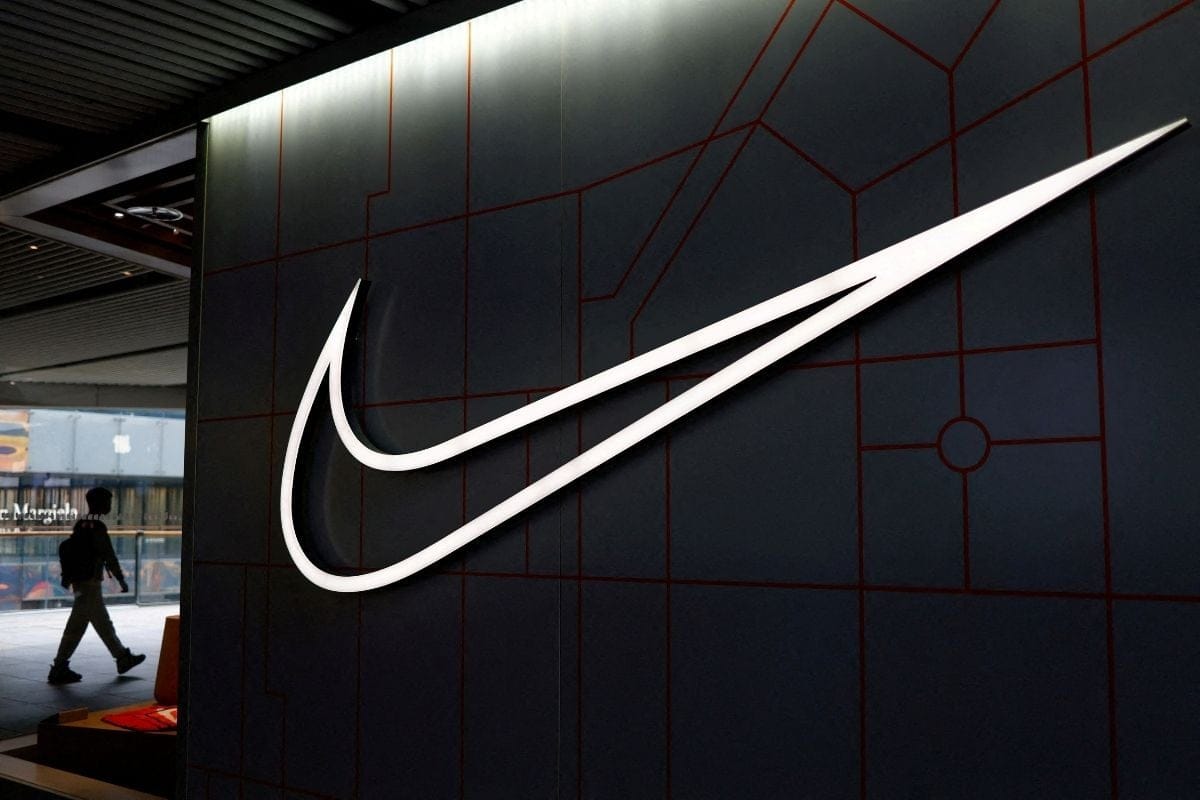
Nike, one of the world’s most recognisable sportswear brands, is now facing a federal investigation that could have wide-reaching implications for corporate diversity policies across the United States. The US Equal Employment Opportunity Commission (EEOC) has launched a formal probe into allegations that Nike discriminated against white employees in its hiring, training, and promotion practices.
The investigation marks one of the most high-profile workplace discrimination cases taken up by the EEOC under President Donald Trump’s current administration, which has taken a tougher stance on diversity, equity, and inclusion initiatives often referred to as DEI.
What the Investigation Is About
According to court filings, the EEOC is examining whether Nike engaged in a “pattern or practice” of treating white workers unfairly. This includes allegations that white employees, job applicants, and participants in training programs may have been disadvantaged because of their race.
As part of the investigation, the agency has demanded access to Nike’s internal records going back to 2018. These records include data on race and ethnicity, hiring and promotion decisions, and whether diversity metrics were tied to executive compensation.
The EEOC has also asked for information related to Nike’s layoffs in 2024, including personal data on all employees who were considered for potential job cuts.
How This Started
The investigation was triggered by a complaint filed in 2024 by America First Legal, a conservative legal group founded by Trump adviser Stephen Miller. The organization has made dismantling DEI policies a core part of its mission, arguing that such initiatives often result in what it calls “reverse discrimination.”
The EEOC says it began requesting information from Nike more than a year ago. However, court documents claim the company did not fully comply with those requests, prompting the agency to escalate the matter by seeking a court order to enforce its subpoena.
“Nike’s failure to comply has delayed and hampered the investigation of alleged unlawful employment practices,” the EEOC said in its filing.
Nike Pushes Back
Nike has strongly denied the allegations and expressed surprise at how aggressively the investigation has progressed.
In a statement, the company said it is “committed to fair and lawful employment practices” and insists that it follows all federal and state anti-discrimination laws. Nike also said it has already turned over thousands of pages of documents to the EEOC and continues to cooperate with the agency.
Calling the subpoena an “unusual escalation,” Nike argued that many of the diversity policies now under scrutiny were previously encouraged or supported by federal regulators, including the EEOC itself.
The company maintains that its hiring and workplace practices are legal, ethical, and designed to create an inclusive environment without excluding or disadvantaging any group.
A Shift in Federal Enforcement
The case reflects a broader shift in how the federal government is approaching workplace discrimination under the Trump administration. Historically, the EEOC has focused primarily on protecting minorities, women, and other underrepresented groups from discrimination.
However, the agency’s current leadership has made clear that it believes some diversity programs may violate civil rights laws if they explicitly favor one racial or ethnic group over another.
Andrea Lucas, the chair of the EEOC, has publicly stated that white men should feel encouraged to come forward if they believe they have been discriminated against. She has warned that even well-intentioned workplace programs could cross legal lines if they rely too heavily on race-based decision-making.
Critics Raise Concerns
Not everyone agrees with the EEOC’s new direction. Civil rights advocates and legal experts have raised concerns that focusing heavily on alleged discrimination against majority groups could divert attention from more widespread and well-documented cases of discrimination affecting minorities.
Michael Foreman, director of the Civil Rights Appellate Clinic at Penn State Dickinson Law, described the Nike investigation as part of a broader political agenda.
He argued that the EEOC is increasingly acting as a “bully pulpit” for the administration, using high-profile cases to discourage companies from pursuing strong diversity initiatives.
Foreman also questioned why other forms of discrimination such as those based on national origin, race, or gender appear to be receiving less attention at a time when many workers continue to face barriers in the workplace.
What’s at Stake for Corporate America
The Nike case is being closely watched by major corporations across the country. If the EEOC succeeds in forcing Nike to hand over extensive internal records or if the investigation leads to legal action, it could set a powerful precedent.
Companies may rethink how they design and implement diversity programs, particularly those that track racial metrics or link executive bonuses to diversity goals. Some businesses may scale back or rework DEI initiatives out of concern that they could face similar scrutiny.
At the same time, supporters of the investigation argue that anti-discrimination laws should apply equally to everyone, regardless of race, and that fairness requires a careful review of policies that may unintentionally exclude certain groups.
What Happens Next
For now, the investigation is ongoing. The EEOC is seeking court approval to enforce its subpoena, while Nike continues to challenge the scope and justification of the agency’s demands.
No formal findings have been announced, and the probe does not mean that Nike has been found guilty of wrongdoing. However, the case highlights growing tensions around workplace diversity policies in the US and signals that companies may face tougher questions about how those policies are designed and enforced.
As the legal battle unfolds, it is likely to become a defining test of how far federal agencies can go in challenging corporate diversity efforts and where the legal boundaries of inclusion truly lie.