“Not for Sale”Denmark Warns Trump Over Greenland Threats
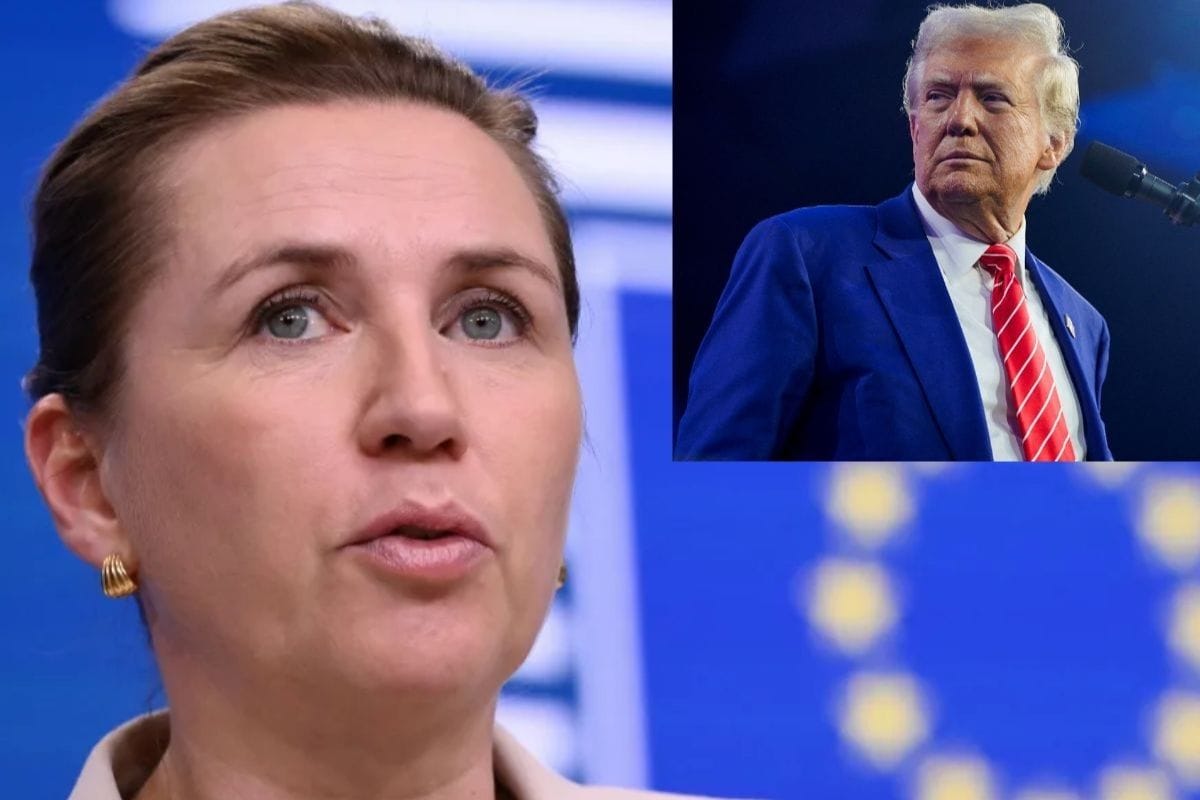
Tensions between the United States and Denmark have flared again after Danish Prime Minister Mette Frederiksen delivered a blunt message to President Donald Trump: stop threatening Greenland.
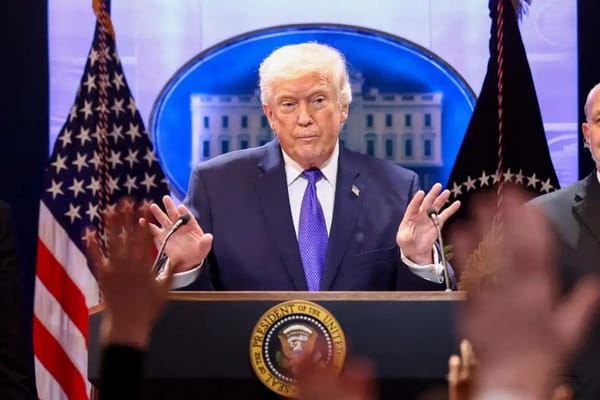
Her remarks came after Trump once again raised the idea that the United States should take control of Greenland, a vast Arctic island that is part of the Kingdom of Denmark, arguing it is necessary for American national security. This time, however, Denmark’s response was sharper and more direct than in the past, reflecting growing frustration with what officials see as increasingly aggressive rhetoric.
Speaking through a formal statement posted by her government, Frederiksen made it clear that Denmark considers the matter settled and not open for debate.
“Greenland Is Not for Sale”
“It makes absolutely no sense to talk about the need for the United States to take over Greenland,” Frederiksen said. “The US has no right to annex any of the three nations in the Danish kingdom.”
Her statement emphasized that Denmark, Greenland, and the Faroe Islands form a sovereign political entity, and any suggestion that another country could simply take over territory runs against international law and long-standing alliances.
Frederiksen also stressed that Greenland’s future belongs to its people, not Washington.
“I would therefore strongly urge the United States to stop the threats against a historically close ally and against another country and another people who have very clearly said that they are not for sale,” she said.
The unusually firm tone suggests Denmark sees Trump’s renewed comments as more than just offhand remarks and potentially destabilizing.
A Tweet That Sparked Outrage
The immediate trigger for the latest diplomatic clash was a social media post by Katie Miller, a right-wing commentator and the wife of Trump adviser Stephen Miller. She shared a map of Greenland colored like the American flag, accompanied by the word “SOON.”
Though the post came from a private citizen, Danish officials interpreted it as aligned with messaging coming from Trump’s political circle.
Denmark’s ambassador to the United States responded with what he called a “friendly reminder” that the two countries are allies and that Denmark expects respect for its territorial integrity.
That reminder, however, did little to slow Trump down.
Trump Doubles Down
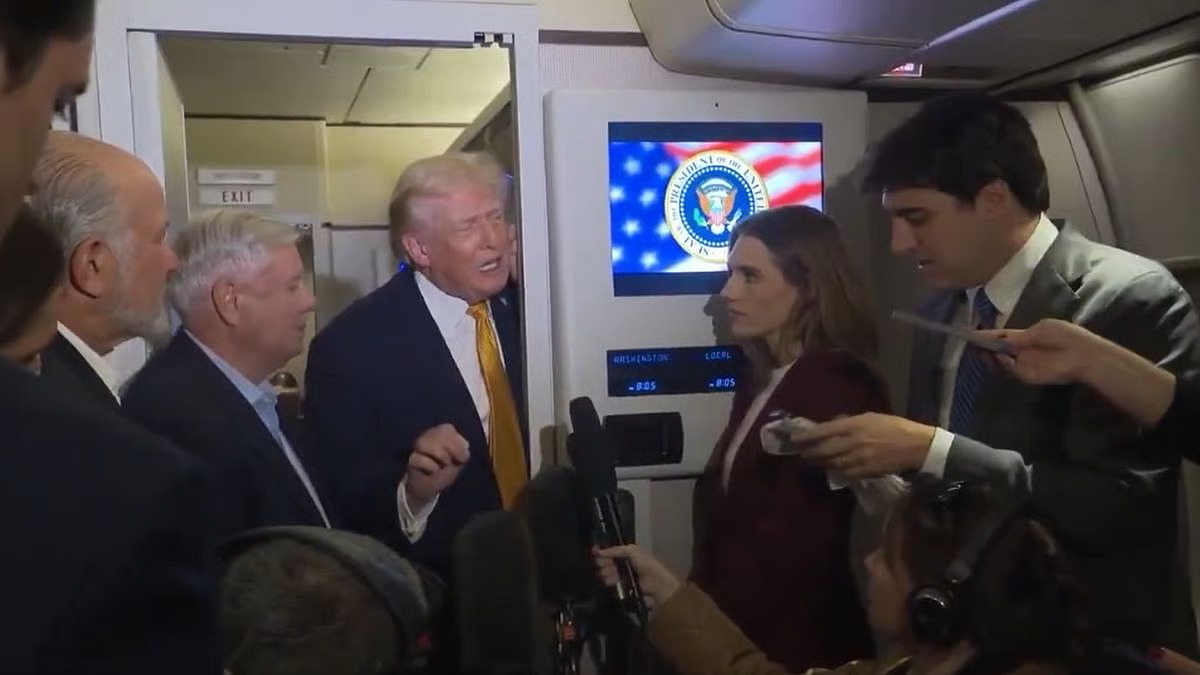
Just hours after Frederiksen’s statement, Trump was asked about Greenland while speaking aboard Air Force One. Rather than backing away, he doubled down.
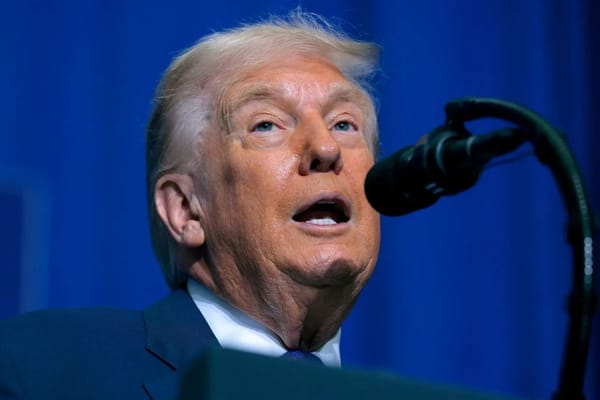
“We need Greenland from the standpoint of national security,” Trump said. “And Denmark is not going to be able to do it.”
The president has repeatedly argued that Greenland’s strategic Arctic location and its potential mineral wealth make it too important for the United States to ignore. He has also refused in the past to rule out the use of force to secure control of the island, a statement that alarmed European leaders when he first made it.
Trump’s comments come at a time when the Arctic is becoming increasingly important geopolitically, as melting ice opens new shipping routes and access to rare minerals used in technology and defense.
Denmark Points to NATO and Existing Agreements
Frederiksen pushed back strongly on Trump’s claims that Denmark is unable to protect Greenland.
She pointed out that Denmark is a NATO member and that Greenland is covered by NATO’s collective defense guarantees. Denmark already has a long-standing defense agreement with the United States that allows American forces access to Greenland, including military installations.
In recent years, Denmark has also increased its defense spending in the Arctic region, responding to growing global interest in the area.
“There is already close cooperation,” Frederiksen said, suggesting that Trump’s arguments ignore existing partnerships and exaggerate the need for American control.
Greenland’s Voice Matters
Greenland itself has been clear on the issue. The island, which has a population of about 57,000 people, has enjoyed extensive self-rule since 1979, though Denmark still handles defense and foreign affairs.
While many Greenlanders support eventual independence from Denmark, opinion polls consistently show overwhelming opposition to becoming part of the United States.
Local leaders have repeatedly said Greenland’s future must be decided by Greenlanders alone, not foreign powers.
Trump’s rhetoric, critics argue, undermines that principle and risks inflaming tensions in an already sensitive region.
A Pattern of Aggressive Foreign Policy
The Greenland dispute comes just days after the United States carried out a dramatic military operation in Venezuela, capturing President Nicolás Maduro and his wife and transferring them to New York.
Trump later said the US would “run” Venezuela until a democratic transition could be put in place comments that drew international criticism and raised concerns about American interventionism.
For some observers, Trump’s Greenland remarks fit into a broader pattern: an assertive, transactional approach to foreign policy that places American interests above traditional diplomatic norms. European leaders, particularly in smaller nations, worry this approach could weaken alliances and encourage instability.
A Longtime Ally Pushes Back
Denmark has been a close US ally for decades, contributing troops to NATO missions and cooperating closely on security issues. Frederiksen’s decision to address Trump “very directly,” as she put it, signals how seriously Copenhagen views the situation.
“This is not how allies talk to each other,” one Danish official said privately, describing the tone of recent US statements as damaging.
For now, Denmark appears determined to stand its ground both diplomatically and publicly.
What Comes Next?
Despite the heated rhetoric, there is no indication that the United States is preparing any concrete move toward annexing Greenland. Still, repeated comments from Trump and his allies have made the issue impossible to ignore.
Whether the dispute remains a war of words or escalates into a deeper diplomatic rift may depend on whether Washington shifts its tone something Denmark is clearly hoping for.
As Frederiksen put it, Greenland’s status is not a negotiation, a joke, or a provocation.
“It is about sovereignty,” she said. “And sovereignty must be respected.”