NYC Mayor Mamdani Reverses Israel Orders on First Day in Office

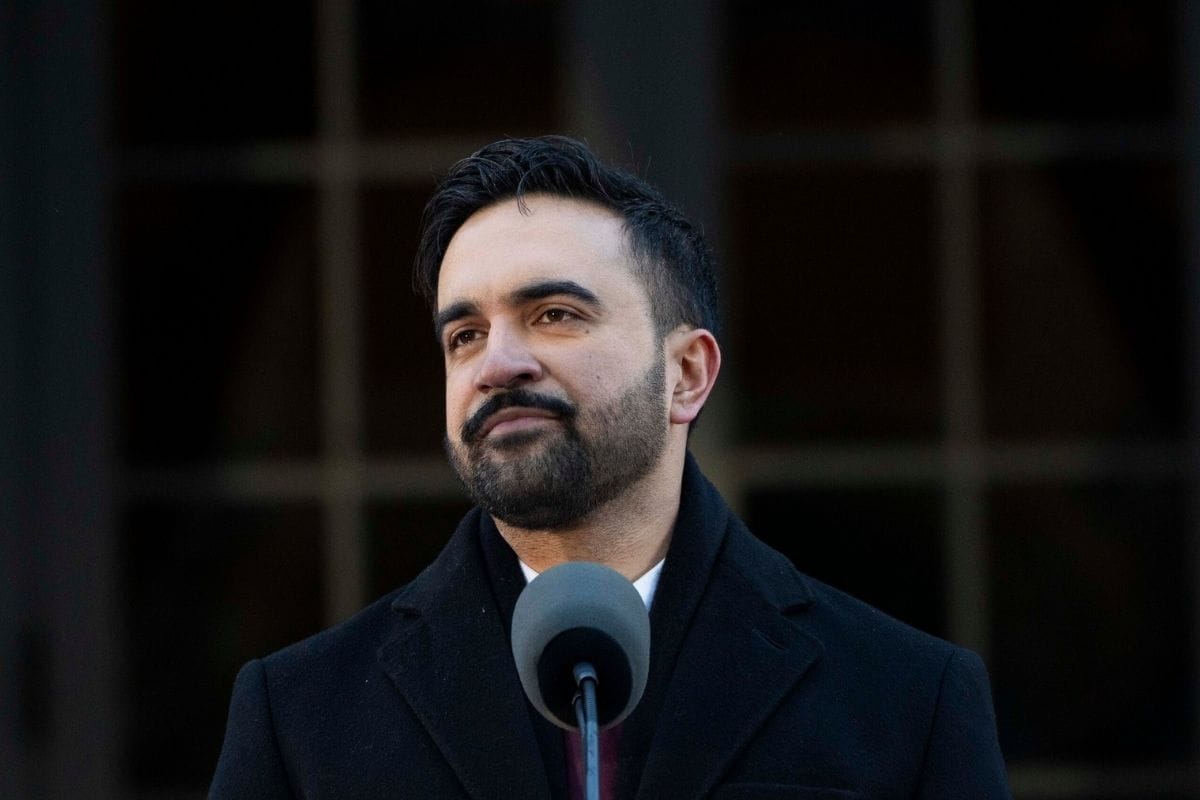
Just hours into his tenure as New York City’s new mayor, Zohran Mamdani made a series of sweeping decisions that immediately placed him at the center of a national political storm. On his very first day in office, Mamdani revoked every executive order signed by his predecessor, former Mayor Eric Adams, after Adams was indicted on federal corruption charges. Among those reversals were two highly controversial orders tied to Israel and antisemitism decisions that have drawn strong reactions from political leaders, advocacy groups, and international officials.
Mamdani’s actions were swift and deliberate. By undoing Adams’ post-indictment executive orders, he signaled a sharp break from the previous administration and reaffirmed his promise to reassess policies he believed were rushed, politically motivated, or legally questionable. But few expected his first day to ignite such an intense debate over free speech, Jewish safety, and the limits of political protest.
Reversing Adams’ Israel-Related Orders
At the heart of the controversy are two executive orders signed by Eric Adams in the final months of his administration. One order barred New York City agencies from boycotting or divesting from Israel, effectively blocking city involvement in the Palestinian-led Boycott, Divestment and Sanctions (BDS) movement. The second order formally adopted the International Holocaust Remembrance Alliance’s (IHRA) definition of antisemitism, which includes certain criticisms of Israel, including opposition to its existence as a Jewish state.
Mamdani revoked both orders on January 1, along with all other executive actions Adams signed after his federal indictment in September 2024. However, Mamdani did not dismantle everything tied to Adams’ approach. He kept in place the city’s newly created Office to Combat Antisemitism, which Adams launched earlier in 2025.
Supporters of Mamdani say the move was consistent with his campaign pledge to restore civil liberties and protect free expression. Critics, however, argue that rescinding these orders sends the wrong message at a time when antisemitism is rising across the country.
Political Backlash and International Criticism
The reaction was swift and sharp. Conservative lawmakers and pro-Israel advocates accused Mamdani of undermining protections for Jewish New Yorkers. New York City Councilmember Inna Vernikov, a Republican, criticized the decision to revoke the IHRA definition, noting that it is recognized by dozens of countries, including Germany, Canada, the United Kingdom, and members of the European Union.
“Good enough for Germany, but not good enough for Mamdani,” Vernikov said in a social media post. She also warned that revoking Adams’ restrictions on protests near houses of worship could embolden extremist behavior.
Israel’s foreign ministry also weighed in, condemning Mamdani’s actions and calling them “antisemitic gasoline on an open fire.” The National Jewish Advocacy Center echoed those concerns, arguing that removing the definition weakens the city’s ability to combat antisemitism effectively.
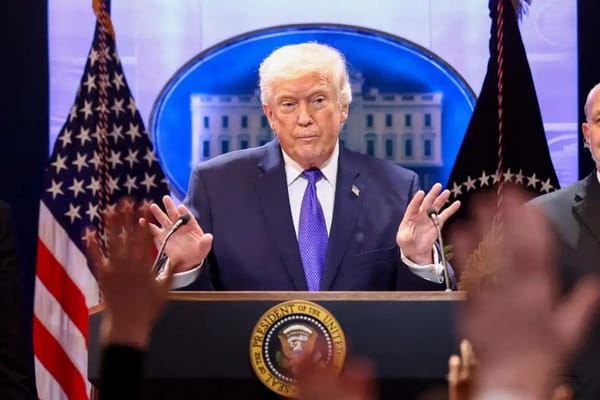
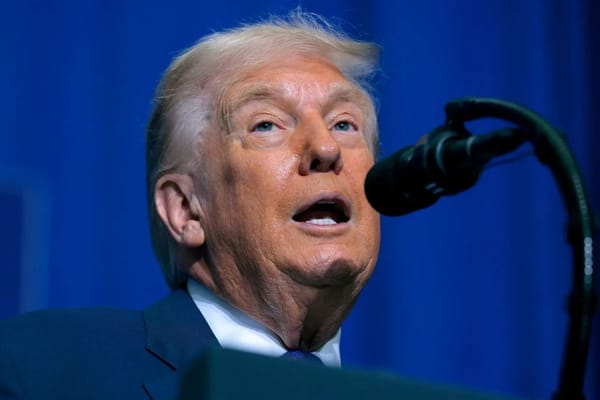
Even former President Donald Trump inserted himself into the debate, suggesting during a meeting with Israeli Prime Minister Benjamin Netanyahu last year that New York could face consequences if Mamdani followed through with his campaign promises on Israel policy.
Mamdani’s Position: Drawing a Line Between Criticism and Hate
Mamdani, a democratic socialist and longtime advocate for Palestinian rights, has repeatedly said that criticism of the Israeli government should not be automatically labeled as antisemitism. During the campaign and after his election, he stressed the importance of separating legitimate political debate from hatred toward Jewish people.
At a news conference last month, responding to criticism from the Anti-Defamation League, Mamdani said failing to make that distinction “draws attention away from the very real crisis of antisemitism we see not only in our city, but across the country.”
While the mayor’s office has not issued a detailed public response to the backlash, a senior adviser privately dismissed criticism from the Israeli government as inconsequential, emphasizing that Mamdani remains committed to protecting Jewish New Yorkers.
Civil Liberties Groups Applaud the Decision
Not everyone opposed Mamdani’s actions. Civil liberties advocates strongly supported the rollback of Adams’ orders, arguing they went too far in restricting speech.
Donna Lieberman, executive director of the New York Civil Liberties Union, said the revoked orders adopted an overly broad definition of antisemitism and improperly limited the right of city agencies to engage in political expression.
“These orders appeared designed to suppress speech Mayor Adams disagreed with, even though that speech is protected by the First Amendment,” Lieberman said.
The Jewish Democratic Council of America also took a more measured stance. Executive Director Halie Soifer welcomed Mamdani’s decision to retain NYPD Commissioner Jessica Tisch and maintain the Office to Combat Antisemitism, calling them important steps toward ensuring public safety.
However, she added that Mamdani must follow through on his promises. “He must meet that commitment with meaningful actions to protect Jewish New Yorkers in the days, months, and years ahead,” she said.
A City Watching Closely
Mamdani’s decisions come at a sensitive moment for New York City, which is home to the largest Jewish population outside Israel and also a strong base of progressive activists advocating for Palestinian rights. His campaign included sharply critical statements about Israel’s actions in Gaza, including accusations of genocide and support for honoring International Criminal Court warrants against Israeli leaders.
Those positions, combined with his actions on his first day, have intensified scrutiny of his administration. Concerns have also been raised over some of his early appointees. Just weeks before Mamdani took office, a top appointee resigned after antisemitic social media posts resurfaced, adding to anxiety among critics.
As Mamdani begins his term, his approach to Israel, antisemitism, and free speech is shaping up to be one of the defining challenges of his mayoralty. Supporters see a leader standing firm on civil liberties and progressive values. Opponents fear he is weakening protections against hate at a dangerous time.
What’s clear is that Zohran Mamdani’s leadership will not unfold quietly. From day one, his decisions have placed New York City and his vision for it under a national and international spotlight.