Olympics Moves to Ban Transgender Athletes from Women’s Events Amid Global Backlash
The International Olympics Committee (IOC) is preparing to ban transgender women from competing in female categories, a decision already igniting global controversy.
According to The Times reports, the policy would exclude both transgender women and athletes with certain Differences of Sexual Development (DSD) from women’s events.
The move comes after months of heated debate over fairness, biology, and inclusion with the IOC saying the new framework is meant to “protect the integrity of women’s sport.”
What Sparked the Decision
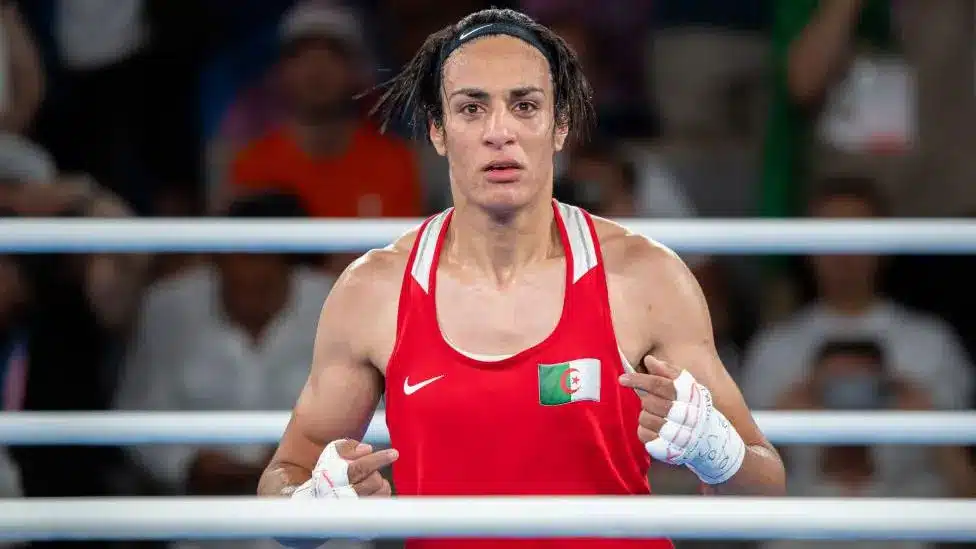
The decision follows rising tensions after Algerian boxer Imane Khelif, who has DSD, competed in the Paris 2024 Olympics and faced accusations of “unfair advantage.”
Her participation led to boycotts, online abuse, and a broader push from international federations to tighten gender eligibility rules.
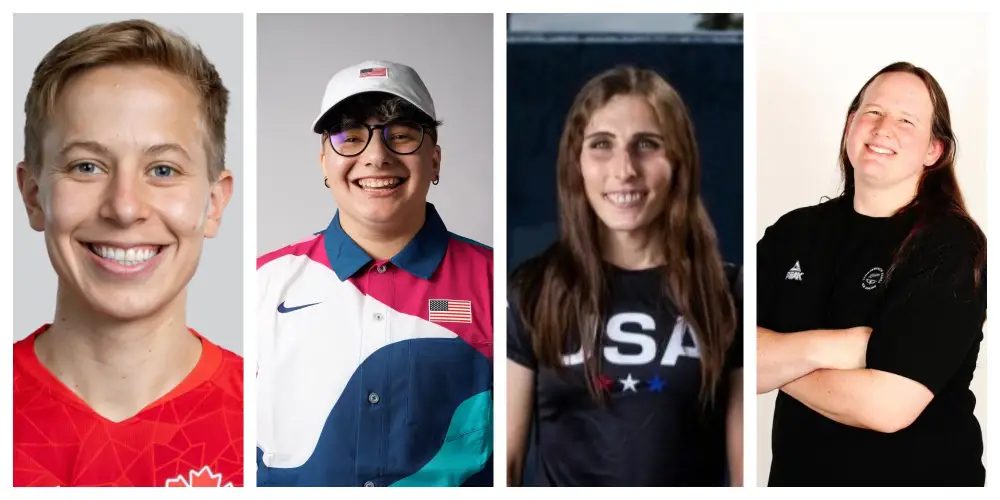
Supporters say the ban restores competitive balance, ensuring female athletes aren’t at a physical disadvantage.
Critics argue it’s discriminatory, calling it a step backward for inclusion and human rights.
“This isn’t about fairness, it’s about fear,” one LGBTQ+ advocacy group said in a statement shared by Reuters.
The IOC’s New Rulebook
The IOC hasn’t published final language yet, but drafts suggest all transgender and DSD athletes will be restricted from women’s events beginning with the 2028 Los Angeles Olympics.
Each sport’s governing body would still handle implementation, but the overarching rule is expected to align with World Athletics and World Aquatics, both of which banned transgender women from elite female categories last year.
“We respect everyone’s identity,” an IOC spokesperson said, “but our responsibility is to protect the fairness of competition.”
Past Cases of Outrage Due to Gender
This isn’t the first time the Olympics has faced backlash over gender eligibility.
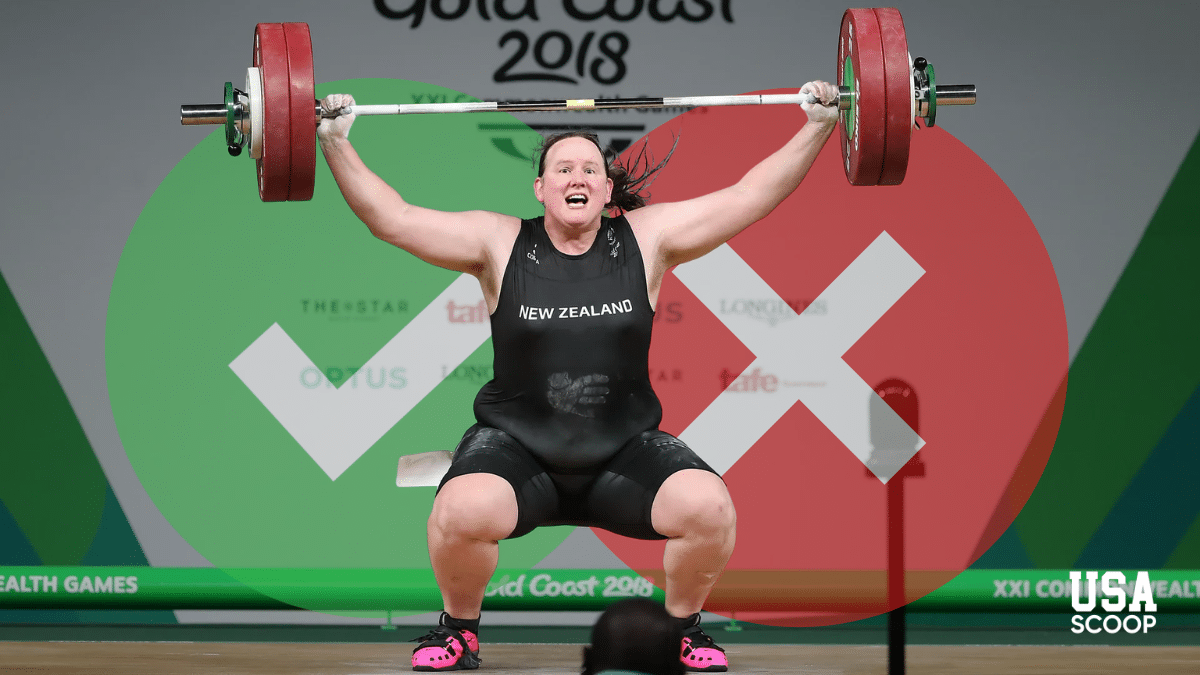
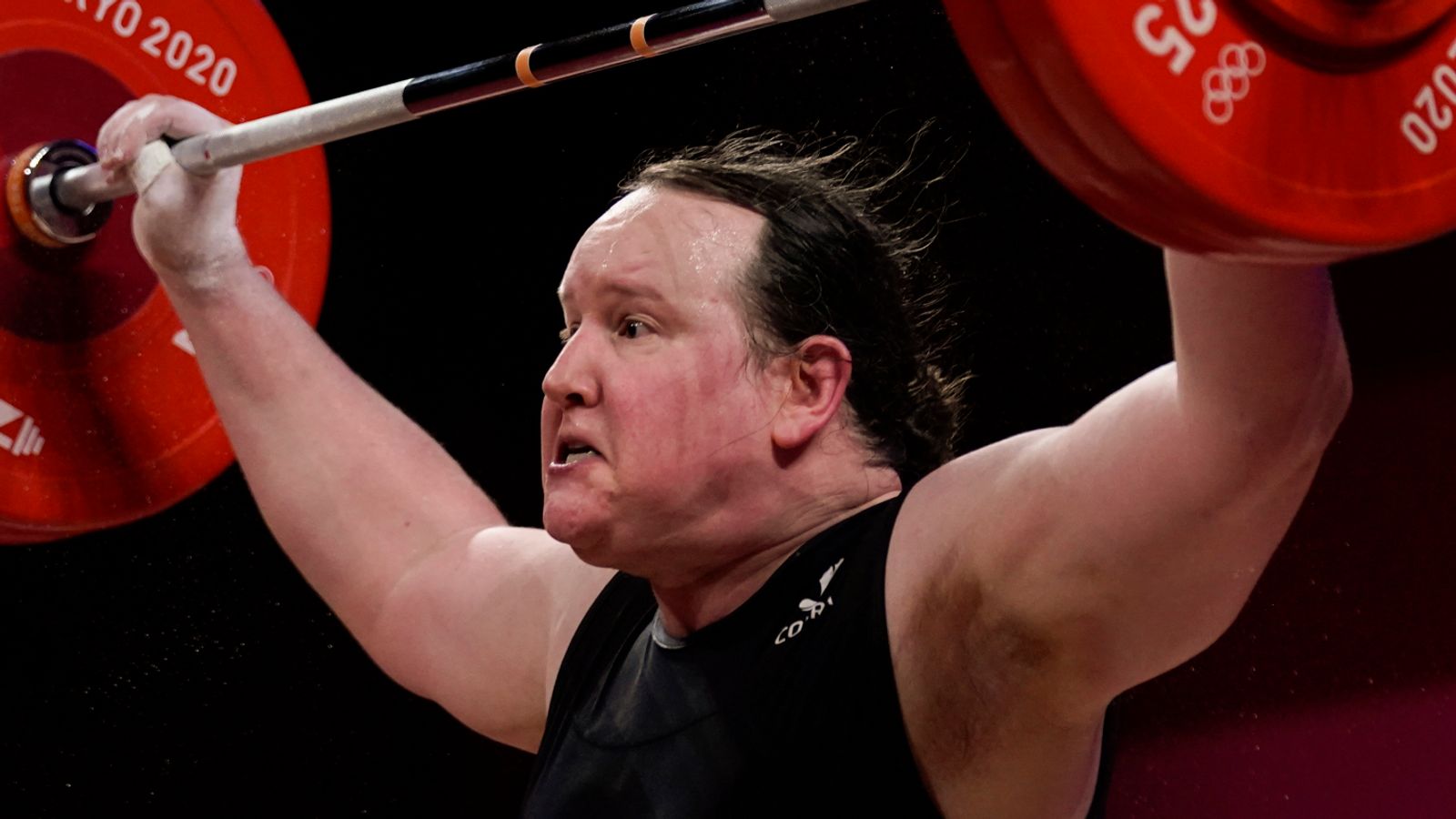
- Laurel Hubbard (Tokyo 2020): The New Zealand weightlifter became the first openly transgender woman to compete at the Games, sparking worldwide debate about fairness in strength sports.
- Caster Semenya (Rio 2016): The South African runner, who has DSD, was forced to lower her testosterone levels under World Athletics rules a policy later condemned by human-rights organizations.

- Imane Khelif (Paris 2024): Her gold-medal run reignited the entire discussion, with critics accusing the IOC of inconsistency in defining “female” eligibility.
Each controversy pushed the IOC closer to a stricter stance, culminating in this sweeping proposed ban.
The Divide: Fairness vs. Freedom
Athletes are split. Former Olympians like Martina Navratilova and Caitlyn Jenner praised the move, saying it protects women’s sports.
Others, including Megan Rapinoe and Billie Jean King, called it exclusionary and unscientific.
Social media erupted overnight. #LetThemPlay trended on X, while #FairPlayForWomen gained equal traction, reflecting how divided the public remains.
Science, Politics, and Public Pressure
Scientists still disagree on how testosterone, muscle mass, and transition timelines impact performance.
The IOC previously said “no athlete should be excluded solely based on gender identity,” but growing political pressure from conservative governments particularly in the U.S. and Europe appears to have shifted the tone.
In the UK, Former Prime Minister Rishi Sunak recently voiced support for “biological sex-based categories” in international competition, adding weight to the IOC’s decision.
What Happens Next
The proposal is expected to be finalized early next year.
If approved, it would make the Olympics the latest major sporting body to officially ban transgender women from female divisions following similar rulings by World Rugby, World Swimming, and World Athletics.
Legal challenges are almost certain. Human-rights lawyers are already exploring whether the ban violates Olympic principles of inclusion and non-discrimination.
FAQ: The Transgender Olympic Ban Explained
What exactly is being proposed?A universal ban preventing transgender women and DSD athletes from competing in female events, starting as early as the 2028 Olympics.
Why is it happening now?The IOC faced growing backlash after several high-profile cases raised concerns about fairness and physical advantage.
Who supports this move?Some former athletes, women’s-sports advocates, and federations like World Athletics support it, citing “level playing field” arguments.
Who are opposes it?LGBTQ+ groups, human-rights organizations, and many current athletes say it’s discriminatory and politically motivated.
How do other sports association handle this?World Swimming and Rugby already enforce bans; others use testosterone thresholds or case-by-case reviews.
Could this be challenged legally?Yes. Experts say the rule may clash with human-rights protections in the Olympic Charter and could face international legal review.
Read About The Supreme Court Case Where Lawyer Proposes to Ban Same Sex Marriage in US through our Spotlight Stories in under 15 seconds.