
OpenAI Cancels “App Suggestions” on ChatGPT After Users Accuses Secret Ads

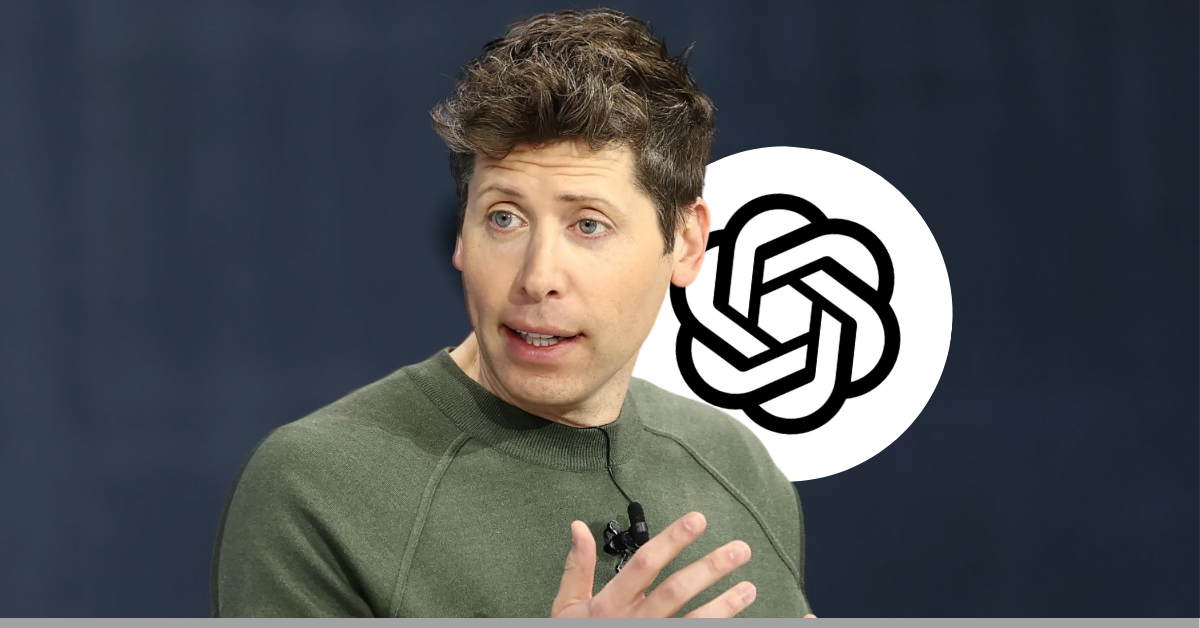
Under mounting backlash, OpenAI disables its in-chat app-recommendation prompts, once criticized as disguised advertising, acknowledging the move fell short of user expectations even as it insists no paid ads had been launched.
In recent days, a growing number of users of ChatGPT began noticing something unexpected, as amid otherwise normal conversations with the chatbot, the interface was sporadically suggesting third-party apps, pop-up-style prompts recommending tools such as a Peloton workout app or retail links to Target. These suggestions often appeared unrelated to the user’s query, jarring in their irrelevance and triggering immediate suspicion and anger: were users now being sold things in their AI chat sessions?
Initially, OpenAI defended the feature, explaining that what users saw was not an advertisement but a test of its new app discovery system, designed to surface apps built on the ChatGPT app platform. The company stressed there was no financial component, meaning it wasn’t paid placement by third-party developers. But by December 7, 2025, OpenAI admitted it had misjudged the impact and disabled the feature entirely.
A Promise of Tools Misread as Ads
This episode reflects the tension that arises when utility becomes indistinguishable from promotion, and what was intended as an integrated marketplace of functionality, a way for users to discover add-on apps within their chat experience, instead felt like unsolicited advertising. For many, the moment they saw a prompt for a fitness or shopping app in the middle of a technical query was enough to break trust.
Internally at OpenAI, the reaction was swift, as the data lead acknowledged publicly that the suggestions were a bad and confusing experience, pledging to refine the logic behind the prompts and user experience. Externally, though, many users expressed deeper concern that if suggestions like this are allowed to slip into what’s advertised as a neutral AI assistant, the door may be opening to full-blown ads, undermining years of promise for a clean, distraction-free AI service.
Trust, Expectations and the AI Promise
For a paid-subscription product like ChatGPT, used by individuals and professionals seeking reliability, focus, and privacy, the presence of advertisement-like prompts hits at the heart of user expectations. Many who pay for ChatGPT anticipate an experience free from unsolicited commercial intrusion, and when that promise feels broken, even if the company insists no money has changed hands, the emotional and trust impact is reasonably real.
OpenAI’s swift reversal, through turning off the suggestions, highlights how fragile this trust can be. The company’s decision reveals a keen awareness that, in the evolving world of AI-powered tools, user credibility matters as much as features or monetization. As its Chief Research Officer put it, the team fell short on delivering a clean user experience.
At the same time, the incident may signal a broader recalibration across the AI industry, and while integrating third-party tools and commerce into chat interfaces is a tempting growth path, doing so risks compromising the perceived integrity of the assistant, especially among paying users who expect discretion, neutrality, and privacy.
Caution, Retuning, and User Controls
With app suggestions disabled, at least for now, OpenAI faces a reckoning of sorts, as the company must decide whether to shelve such app-discovery features altogether or reintroduce them in a visibly optional way, clearly marked and easily controllable by users. Many people expect transparency from them, including maybe toggles to turn off suggestions, clearer separation between AI output and suggestions, or even redesigning the user interface so nothing feels ad-like.
For users, this might be a turning point, as what started as a test may end up becoming a new standard in AI platforms, and the suggestion features must be opt-in, clearly contextual, and never feel like a form of marketing. For OpenAI, the path forward will likely be cautious, prioritising clarity, control, and user confidence over aggressive monetization or growth.
A Rare Retreat
It’s not often a large tech company voluntarily disables a feature just days after rolling it out, especially one tied to potential future monetisation. That OpenAI did so speaks volumes about the pressure it faces from users, public optics, and from an internal reckoning around what ChatGPT should represent.
In a world increasingly accustomed to algorithmic upsells and native advertising, this incident shows that many AI users still expect and demand a space free from commercial pressure. They treat the AI as a tool, an assistant, and a companion. If that relationship is to hold, trust and neutrality cannot be collateral damage.
Whether app suggestions return, in refined form or hidden behind opt-in menus, remains to be seen. But this episode, and OpenAI’s decision to reverse course, may well become a defining moment in how AI platforms balance monetisation with user trust.