Paramount Launches $108B Hostile Bid To Stop Netflix WBD Deal

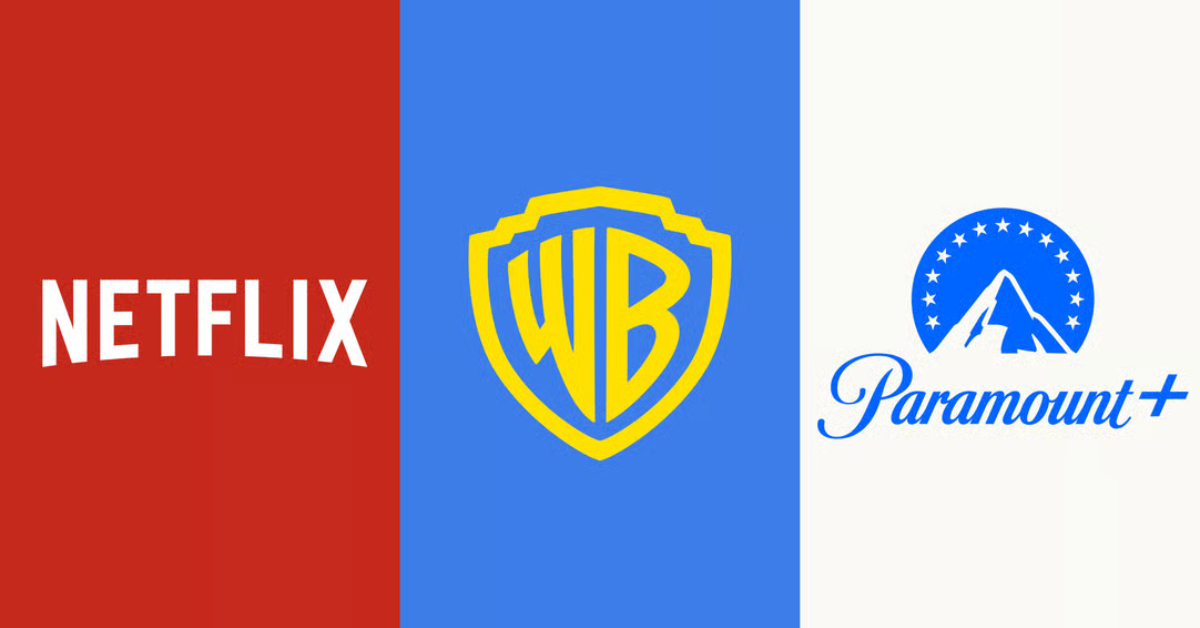
Just days after WBD agreed to sell its studios and streaming business to Netflix, Paramount Skydance fired back, offering $30 per share, full ownership, including cable assets.
On Monday, Paramount Skydance shocked the entertainment world by submitting a hostile all-cash tender offer to acquire every outstanding share of Warner Bros. Discovery at US$30 per share, valuing the company at roughly US$108.4 billion. The move comes just days after WBD’s board agreed to a takeover deal with Netflix. Paramount is appealing directly to WBD shareholders, urging them to reject the Netflix agreement and accept what it claims is a superior, cleaner, cash-backed offer.
Whereas Netflix’s deal only agreed to take WBD’s film studios, streaming business, and associated assets, excluding cable networks, Paramount’s bid encompasses the entire company, including cable and network operations such as news and entertainment channels. That difference adds leverage to Paramount’s argument that its bid is more complete, transparent, and financially compelling.
Paramount CEO David Ellison argued that the all-cash nature of the offer is a major advantage. “We are offering shareholders $17.6 billion more cash than the deal they currently have signed up with Netflix,” he told CNBC.
Why Paramount Says Its Offer Outshines Netflix’s
From Paramount’s perspective, the $30 share offer is safer. The company claims the all-cash transaction avoids the volatile and uncertain mix of cash and stock proposed in Netflix’s deal, which Paramount warns could leave WBD shareholders exposed to unpredictable future stock performance.
Moreover, Paramount claims regulatory approval would be more straightforward if the entire WBD, studios, streaming, and cable were transferred in a single unified acquisition. In contrast, Netflix’s plan involves a split, as the streaming/studios go to Netflix, cable assets are to be spun off, in a move that Paramount argues adds complexity and uncertainty to the situation.
Paramount also framed its bid as better for competition, creativity, and the theatrical film business, warning that Netflix’s takeover threatens theatrical releases and could concentrate too much power in streaming. According to Ellison, Paramount’s vision would preserve and expand content output, particularly theatrical films, rather than accelerate the pivot toward streaming-only distribution.
Shareholders, Regulators and the High-Stakes Gamble
By going directly to shareholders, Paramount bypasses WBD’s board, a move that defines a classic hostile takeover, and the tender offer remains open until January 8, 2026, unless extended.
But winning over shareholders is only part of the battle. The acquisition, whether via Paramount or Netflix, faces intense antitrust scrutiny, both in the US and internationally. Critics worry that the consolidation of major studios, streaming platforms, cable networks, and content libraries under a single umbrella could stifle competition, reduce diversity of content, and concentrate media power.
For Paramount, the backing of major financial backers, including debt financing and private equity, shows the seriousness of the bid; however, it also intensifies scrutiny regarding governance, foreign investment, and media influence. Some observers also note that the earlier attempts to merge similar conglomerates faced regulatory and political resistance, reminding all stakeholders that closing a deal of this magnitude remains fraught with uncertainty.
For Hollywood, for Media, for Consumers
If Paramount’s bid succeeds, the resulting entity would bring together legacy film studios, streaming platforms, cable networks, and news, a vertically and horizontally integrated powerhouse with the capacity to influence not just entertainment but public discourse. Some see potential upside, i.e., consolidated resources could produce more content, invest in bigger films, and support a sustainable theatrical-plus-streaming model that balances digital convenience with cinematic tradition.
But in the case of critics, such concentration has the risk of fewer independent studios, less creative diversity, and narrower access routes for smaller creators. Cable networks, once considered legacy assets, might be reshaped or repurposed to fit new media strategies, possibly altering the tone, reach, or editorial independence of news and entertainment channels.
In the context of the viewers and consumers, the outcome could influence pricing, content availability, diversity of voices, and how or where we watch movies and news. A merged conglomerate might bundle services, shift release strategies, or recalibrate global distribution in ways that reshape cultural consumption worldwide.
Board Resistance, Shareholder Decisions, and Political Pressure
So far, WBD’s board has declined to abandon the Netflix agreement, despite Paramount’s offer is stacked with contradictions. In a statement, WBD advised shareholders not to take immediate action, leaving open the possibility of reviewing the Paramount bid, but giving no commitment that the board will withdraw from the Netflix deal.
The clock is ticking, as shareholders must decide whether Paramount’s all-cash, full-company offer is worth overriding the board’s unanimous agreement with Netflix. Meanwhile, regulatory authorities in the US, Europe, and beyond will weigh the broader implications for competition and media plurality.
Political pressure could further complicate matters, as media consolidation already draws scrutiny in Washington, and the involvement of major investors, global capital, and cable-news properties like CNN adds layers of interest in the social and geopolitical senses.
A Bid That May Transform Hollywood
Paramount’s move reminds the entertainment world that nothing is settled until the ink has dried. A hostile takeover of this magnitude, involving studios, streaming platforms, cable networks, global assets and legacy franchises, could alter the structure of media worldwide.
Suppose WBD shareholders accept Paramount’s offer, and regulators green-light the merger, we may see a new media titan emerge, one that is blending cable, streaming, film, and news under one roof, backed by deep financial firepower. For fans of blockbuster franchises, that might mean more content, bigger budgets, and a revitalised theatrical pipeline.
If the bid fails, whether due to shareholders rejecting it, regulators blocking it, or complexities derailing it, the industry may instead fracture further, with studios, streamers, and broadcasters continuing to compete in a fragmented, uncertain landscape. Either way, the next few weeks will likely determine the architecture of modern entertainment for years to come, and whether Hollywood remains a collection of many voices or coalesces around a few powerful players.