Paramount Wins Warner Deal After Netflix Walks Away
Netflix steps back from a Warner deal, allowing Paramount to move ahead in a major streaming industry shift.

For months, executives in Los Angeles and New York circled the same question: who would blink first?
Now, there’s an answer.
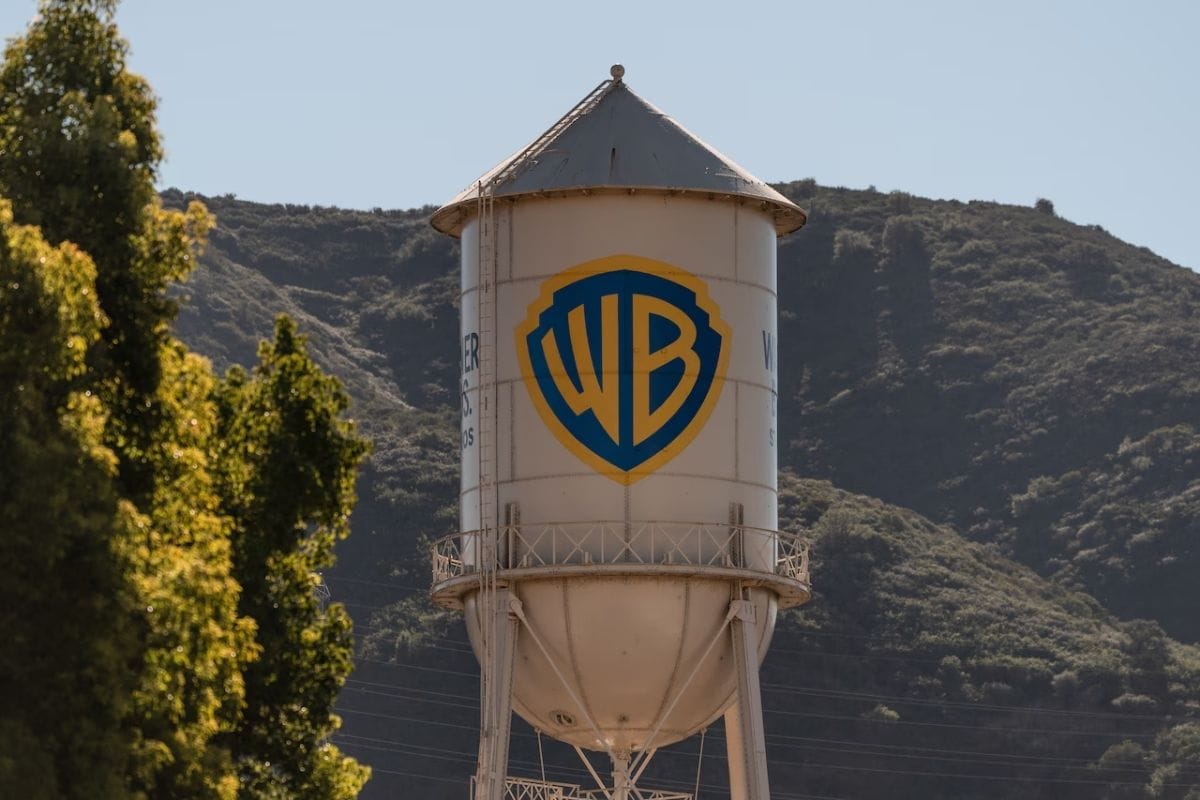
Netflix has stepped back from a potential deal involving Warner Bros, effectively clearing the runway for Paramount to move forward. The decision may look like a simple corporate calculation from the outside. Inside the media world, it feels like something larger, a signal that the streaming wars have entered a more disciplined, more strategic phase.
The era of chasing every trophy asset appears to be fading. The era of careful positioning has begun.
Netflix Decides Not to Chase the Warner Deal
At one point, Netflix appeared to be weighing whether deeper ties with Warner Bros made strategic sense. Warner’s library carries enormous weight decades of film history, premium television, and global franchises that still drive audiences.
But Netflix ultimately chose not to proceed. That decision says as much about Netflix’s current mindset as it does about the deal itself.
In its early years of global expansion, Netflix chased scale relentlessly. It poured billions into content, signed high-profile creators and expanded aggressively into new markets. Growth justified the spending. Today, the math looks different.
Subscriber growth has stabilized. Investors now prioritize profitability and cash flow over raw expansion. Netflix no longer needs to prove it can scale. It needs to prove it can sustain.
Walking away from Warner signals financial discipline. It suggests executives believe their existing content pipeline and strategic roadmap are strong enough without stretching for another complex agreement. Sometimes restraint is its own strategy.
Paramount Seizes the Opening
Where Netflix stepped back, Paramount leaned forward.
Paramount has been navigating a far more precarious position in the streaming landscape. While it owns valuable brands and franchises, it lacks the sheer global footprint of Netflix. For Paramount, scale isn’t just desirable, it’s necessary.
Securing a Warner-related arrangement strengthens its competitive standing. Warner’s content adds depth, legacy appeal and international recognition. That kind of expansion enhances negotiating power with advertisers, distributors and even talent.
Paramount’s willingness to stay in the game, even as Netflix exited, suggests urgency. The company understands that in a maturing streaming market, waiting too long can mean falling behind.
This is not just about adding titles to a platform. It is about shaping survival in a market that no longer rewards hesitation.
Warner Bros at a Strategic Crossroads
Warner Bros has spent the past several years in strategic recalibration.
Leadership shifts, cost-cutting measures and content restructuring have reshaped the studio’s direction. At times, the company appeared to be navigating uncertainty about how best to position its vast intellectual property.
A clearer path forward with Paramount offers something valuable: stability.
Warner’s catalog remains one of Hollywood’s crown jewels. Its films, television properties and global distribution networks give it leverage in almost any negotiation. But leverage only matters if it translates into sustainable partnerships.
By moving toward Paramount after Netflix stepped aside, Warner gains clarity. Investors prefer defined partnerships to prolonged speculation. Employees and creators benefit from knowing where the company stands.
In an industry fueled by perception, clarity can be powerful.
The Streaming Wars Have Changed
A few years ago, a bidding contest like this might have escalated into a spending frenzy. Platforms were racing to prove dominance. Subscriber numbers were the scoreboard. Today, the scoreboard looks different.
Investors want profits. Executives talk about cost controls. Even the language around streaming has shifted from “growth at any cost” to “long-term sustainability.”
Netflix’s choice reflects that new reality. The company is no longer trying to win headlines. It is trying to protect margins.
Paramount’s move reflects its own reality. It cannot afford to remain smaller in a field dominated by global giants. It must expand or risk marginalization. These two approaches discipline and expansion define the current moment in streaming.
What This Means for Viewers and the Industry
For audiences, the changes will not arrive overnight.
Shows will still premiere. Movies will still stream. Apps will still compete for monthly subscriptions. But behind those interfaces, strategic maps are being redrawn.
If Paramount strengthens its position through this arrangement, it may pursue additional consolidation or content integration. If Netflix continues to emphasize selectivity, it may focus more heavily on in-house production and global originals.
Warner, meanwhile, may find greater stability under a defined partnership than in prolonged negotiation limbo.
Hollywood has always operated in cycles. Studios rise. Alliances shift. Distribution models evolve. The streaming revolution disrupted traditional broadcasting. Now, streaming itself is settling into a new order.
This latest move does not end the competition. It sharpens it. Netflix has signaled confidence in its foundation. Paramount has signaled ambition. Warner has signaled readiness for alignment.
The streaming wars are not over. But they are no longer fueled by reckless bidding. They are shaped by strategy. And sometimes, the biggest statement a company can make is not the deal it signs but the one it walks away from.