Pipe Bomb Suspect Brian Cole Jr. Confesses to Targeting DNC and RNC
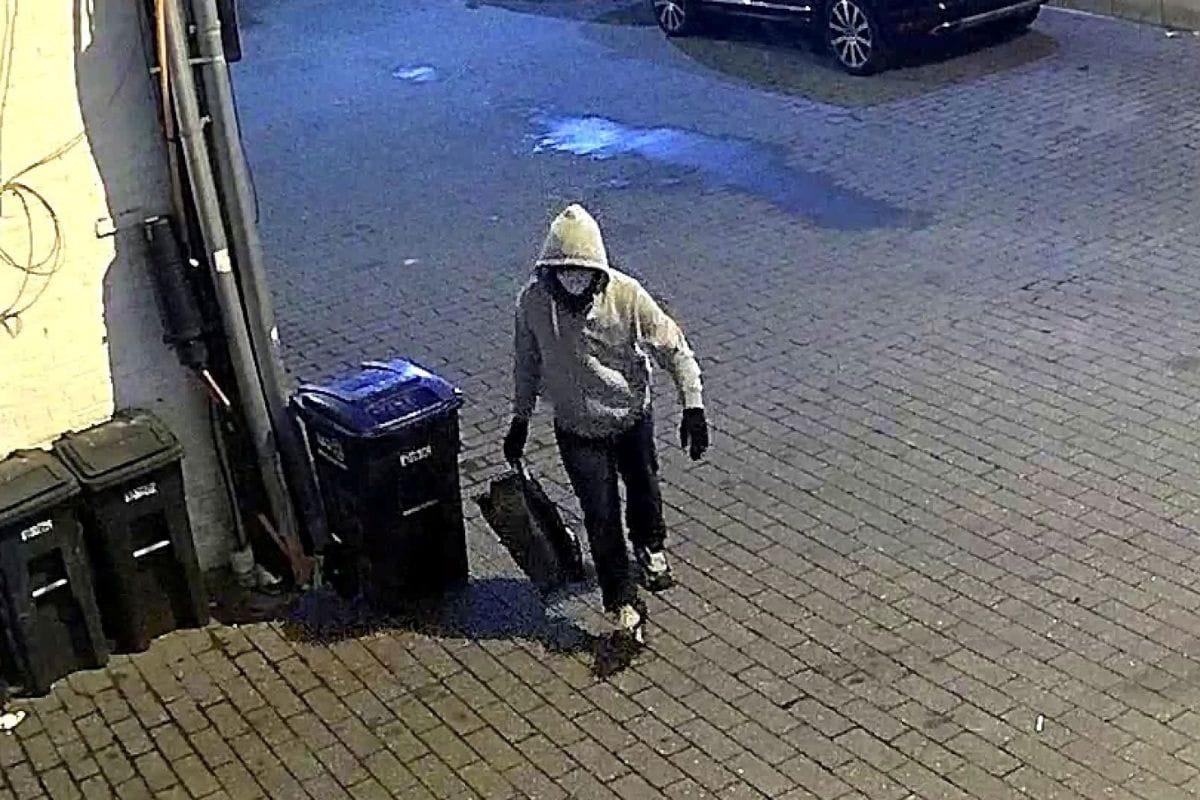
Nearly four years after pipe bombs were discovered near the headquarters of the Democratic and Republican national committees in Washington, D.C., federal prosecutors say the man accused of planting them has confessed explaining that he felt overwhelmed, angry, and driven by a belief that America’s political leaders were ignoring the public.
Brian Cole Jr., 30, was arrested earlier this month in Virginia after a lengthy federal investigation. According to court documents released on December 28, Cole admitted that he placed two pipe bombs near the party offices on the night before the January 6, 2021, Capitol riot. He allegedly told investigators that “something just snapped” and that he wanted to target both parties because, in his view, “they were in charge.”
The explosive devices never detonated, and no one was injured. Still, prosecutors say the case represents one of the most serious threats tied to the chaos surrounding January 6, and they argue that Cole poses a continued danger to the public.
A Long-Awaited Arrest
The pipe bombs were discovered on January 6, 2021, just hours before thousands of people stormed the U.S. Capitol. One bomb was found near the Democratic National Committee headquarters, the other near the Republican National Committee building. Both were quickly neutralised by law enforcement.
For years, the person responsible remained unidentified, even as surveillance footage and tips poured in. The case became one of the most visible mysteries tied to the Capitol attack.
That changed on December 4, when Attorney General Pam Bondi announced that federal agents had arrested Cole at his home in Woodbridge, Virginia, roughly 25 miles south of Washington, D.C. He was charged with transporting and placing the pipe bombs and made his first court appearance the following day.
The arrest also drew renewed attention to McCollister’s brief reality television past, which had largely faded from public view in recent years.
A judge ordered him held without bond. Prosecutors have since asked that he remain behind bars while awaiting trial, arguing that his actions and statements show a clear risk to public safety.
“I Don’t Like Either Party”
According to a detailed Justice Department memo, Cole initially denied involvement when questioned by investigators. He acknowledged travelling alone to Washington on January 5, 2021, but said he went only to attend a protest related to the 2020 presidential election.
As the interview continued, however, prosecutors say Cole’s story changed.
He allegedly admitted that he built and planted the pipe bombs, explaining that his anger was directed at both major political parties. At one point, when asked why he targeted the DNC and RNC specifically, Cole reportedly said, “I really don’t like either party at this point.”
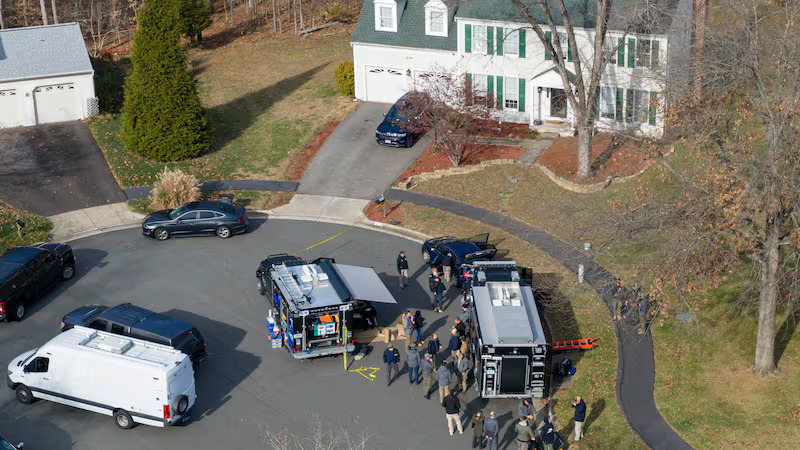
Prosecutors say Cole told investigators that he believed Americans’ concerns about elections and governance were being dismissed by political leaders. He expressed frustration with being labelled or ignored, saying that people with power were failing to listen to grievances from the public.
According to the memo, Cole said he felt compelled to act because leaders “up top” were not taking people seriously.
How the Devices Were Made
The court filing also lays out how Cole allegedly constructed the pipe bombs. Prosecutors say he told investigators that he purchased materials from a home improvement store and made black powder using charcoal, sulfur dust, and potassium nitrate.
Cole reportedly said he learned how to make the explosive material from a video game and by watching science-related videos online. He admitted assembling the devices just hours before driving into Washington on January 5.
According to his alleged confession, Cole placed one bomb in a backpack and walked to the DNC headquarters, setting the timer to its maximum duration before planting it. He then returned to his car, retrieved the second device, and walked to the RNC building, where he repeated the process.
Prosecutors noted that Cole said he never tested the bombs beforehand.
When investigators later told him that neither device had exploded, Cole reportedly said he felt “pretty relieved.” He allegedly explained that he planted the bombs at night because he did not want to kill anyone.
Why Prosecutors Want Him Detained
Despite Cole’s claims that he did not intend to harm people, federal prosecutors argue that his actions placed countless lives at risk. In their detention memo, they emphasised that the bombs could have injured or killed pedestrians, law enforcement officers, first responders, and high-ranking political officials who were in or near the buildings that day.
The memo notes that national leaders, including the vice president-elect and the speaker of the House, travelled through those areas on January 6.
Prosecutors described Cole as an “intolerable risk of danger,” pointing to the deliberate planning involved and the symbolic targeting of political institutions.
A detention hearing is scheduled for December 30.
A Case That Reopens Old Wounds
The arrest has renewed attention on the events surrounding January 6, particularly the broader atmosphere of political anger and mistrust that fueled violence and threats that day.
While the pipe bombs did not explode and did not appear to be directly connected to the Capitol breach, authorities say the timing and intent underscore the dangerous escalation of political extremism.
The case also highlights how long it can take for complex federal investigations to resolve and how unresolved questions from that period continue to surface years later.
What Comes Next
Cole has not entered a plea, and the case remains in its early stages. He is presumed innocent unless proven guilty in court.
As the legal process moves forward, prosecutors are expected to present evidence supporting the confession and detailing how investigators connected Cole to the devices after years of searching.
For many Americans, the case is a sobering reminder of how deeply political frustration can turn into dangerous action and how the impact of January 6 continues to ripple through the justice system long after the crowds left Washington.
What began as two unexploded devices placed quietly in the dark has now resurfaced as a story of anger, ideology, and accountability, one that may finally reach its conclusion in a courtroom nearly five years later.