Roblox Just Locked Millions of Kids Out and Parents Are Freaking Out

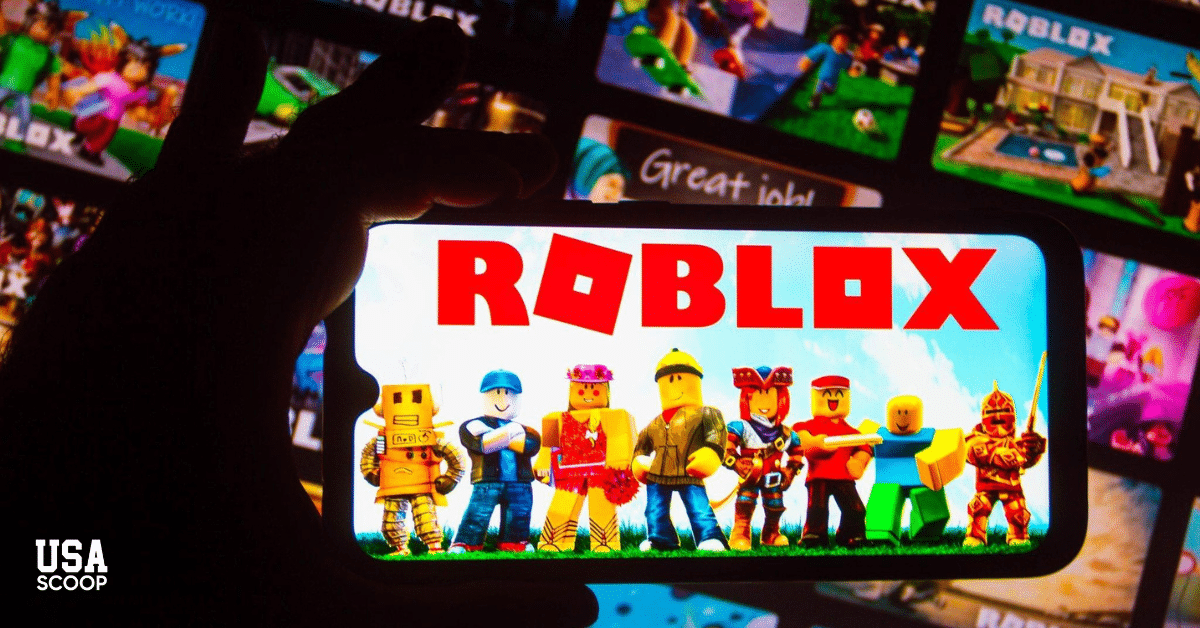
With new age-verification tech, Roblox tries to stop strangers from chatting with children, but the risks are real.
If you have a kid who plays online, listen up. The gaming platform Roblox is changing the rules. Starting in December in some countries, and globally by January 2026, users will need an AI-powered age estimate or ID to chat. What’s the aim, you might wonder? It’s to stop children from accidentally or dangerously talking to adult strangers.
What’s Changing
Roblox will require people who want to use the chat features to go through what it calls an age estimation process. The company is working with the verification firm Persona to scan a video selfie (or accept ID) and sort users into age-brackets like under 9, 9-12, 13-15, 16-17, 18-20, and 21+.
Once placed, users will only be able to chat with others in their age-group or closely adjacent groups. A 12-year-old, for example, won’t be able to initiate chats with a 20-year-old who’s a stranger. Video selfies and images are supposedly deleted right after processing.
The rollout begins with Australia, New Zealand and the Netherlands in the first week of December, and extends worldwide in early January.
Why It Matters
Roblox has become a massive virtual playground with more than 100 million daily users, and a lot of them are kids. The combination of user-generated games, chat features and weak initial verification has drawn lawsuits and government scrutiny for years.
By introducing AI age checks and stricter chat rules, Roblox is trying to show it’s serious about safety, beyond merely cool graphics and summer vibes. However, estimating age via a quick selfie or ID isn’t foolproof. Some parents, experts, and advocacy groups say tech can be fooled, and the real issue is how you moderate what happens after the age check. So yes, it’s a step forward. But whether it’s enough is a much bigger question.
The Backstory
For years, Roblox presented itself as the creative platform, kids build, play, and connect. But as its popularity grew, so did the dangers. Reports surfaced of children as young as five interacting unsafely with adults, sharing personal info, or encountering inappropriate content.
Regulators in several US states launched investigations. The platform’s previous age check system was weak, often just self-reported age at account creation. The trust gap got big.
Now, Roblox’s safety lead, Matt Kaufman, says the company wants to make Roblox a safe, positive, age-appropriate experience for everybody.
This update is a part of a response to pressure from lawmakers, parents, and a reputation that was going sideways.
What Users and Parents Will Notice
If your kid plays Roblox, these are the changes you will likely see.
First, when they want to chat or use text tools, they will get prompted for age verification. If they skip or fail, chat access may be limited. Second, even if they pass, the pool of people they can chat with will be narrower, no more random adult messages without checks.
Third, if the system estimates age wrongly, there’s still a pathway, upload ID or get parental consent to override.
For parents, this may feel like a relief. But you still need to do your part. Age estimation doesn’t replace supervision. Monitoring chats, setting boundaries and discussing online behaviour remain still essential.
Expert and Advocacy Response
Some safety advocates are cautiously optimistic. They say this is better than no age verification at all, and forcing age group chat restrictions is a meaningful shift.
But they stress it must be backed by real moderation and consistent enforcement. The voluntary nature of some features is still a weakness. The tech is only required for chat access, not general use of the platform, and user behaviour can outrun what technology alone can fix.
Why You Should Care
If you or someone you know is in the audience of teenage or younger gamers, this matters massively, especially for Gen Zs.
Roblox is a large slice of kids’ online lives. The way it handles chat and identity may set patterns for other platforms. This is about safety, yes, but also about agency, privacy, online identity, and how the internet adapts to younger users.
For parents, it’s a reminder that tech changes fast and often doesn’t mean set and forget. These new tools are helpful, but not a substitute for engagement. For teens, it’s a shift that the rules of the game are evolving, and being tech-savvy now includes being age-verified.
What’s The Verdict
Roblox’s AI-powered age check is a bold move, the kind of change you expect after bad headlines pile up and regulators lean in. But tech alone doesn’t fix everything.
It can filter and guide, but the deeper issue remains. How do you build an online world for kids that isn’t just locked down, but truly safe?
Roblox is trying to rewrite the safety playbook. Whether it keeps up and evolves with the threats remains to be seen. The chat doors are changing, and if you care about the future of play online, you should be watching.