San Francisco Power Outage Leaves 130,000 Without Electricity
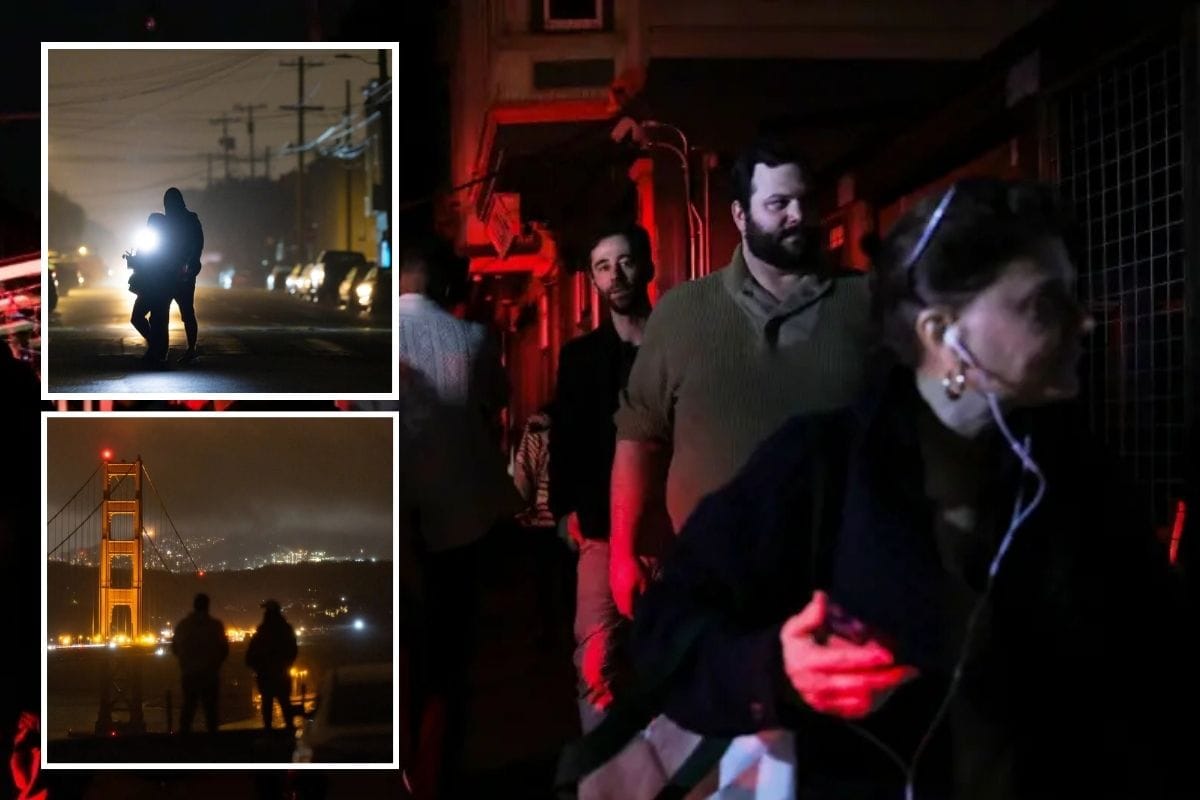
A sudden and widespread power outage plunged large parts of San Francisco into darkness on Friday, leaving more than 130,000 residents and businesses without electricity and disrupting daily life across the city. The outage, which struck without warning, affected multiple neighbourhoods and sparked fresh concerns about the reliability of the Bay Area’s ageing power infrastructure.
Traffic signals went dark, homes lost heat and internet access, and businesses were forced to close early as residents scrambled to understand what had caused the outage. For many, the blackout was more than just an inconvenience; it was a reminder of how dependent modern city life is on a stable power grid.
What Happened?
According to utility officials, the outage was caused by a failure in a major transmission system that feeds electricity into San Francisco. While crews moved quickly to isolate the problem, the scale of the disruption meant that restoring power would take time.
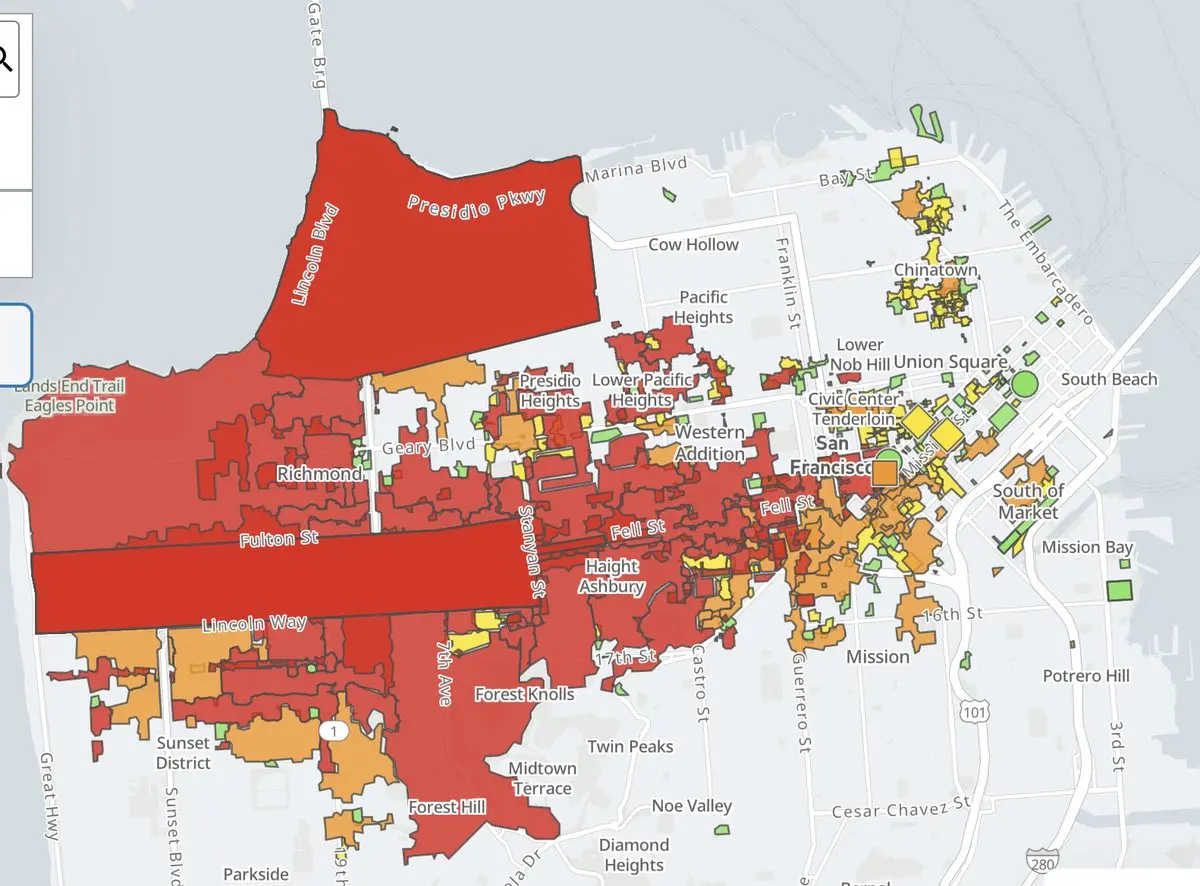
The city’s main electricity provider, Pacific Gas and Electric, said the outage affected customers across several districts, including parts of downtown, residential neighbourhoods, and commercial corridors.
According to a report by the New York Post, the outage left more than 130,000 San Francisco residents without electricity.
A City Brought to a Standstill
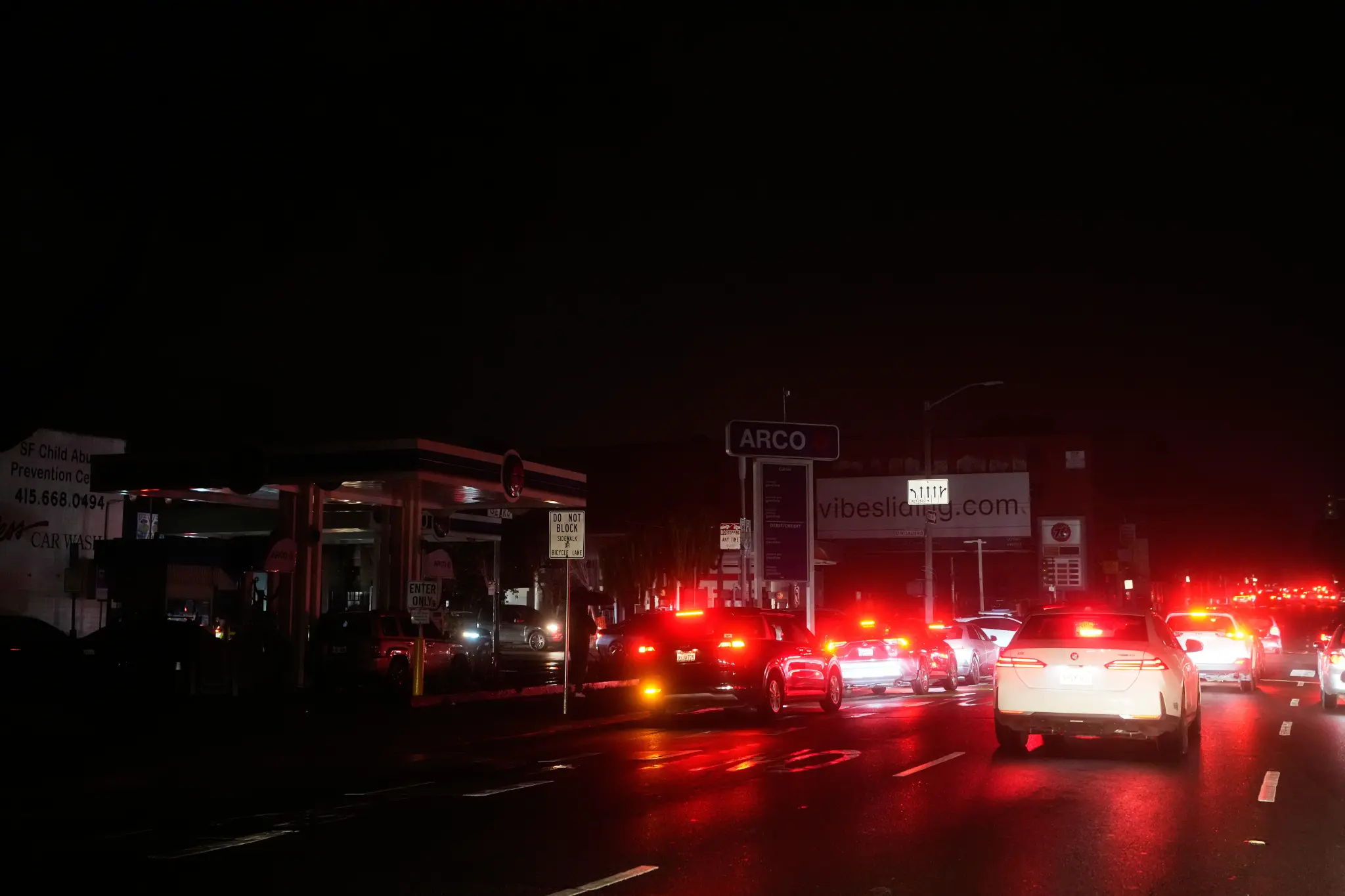
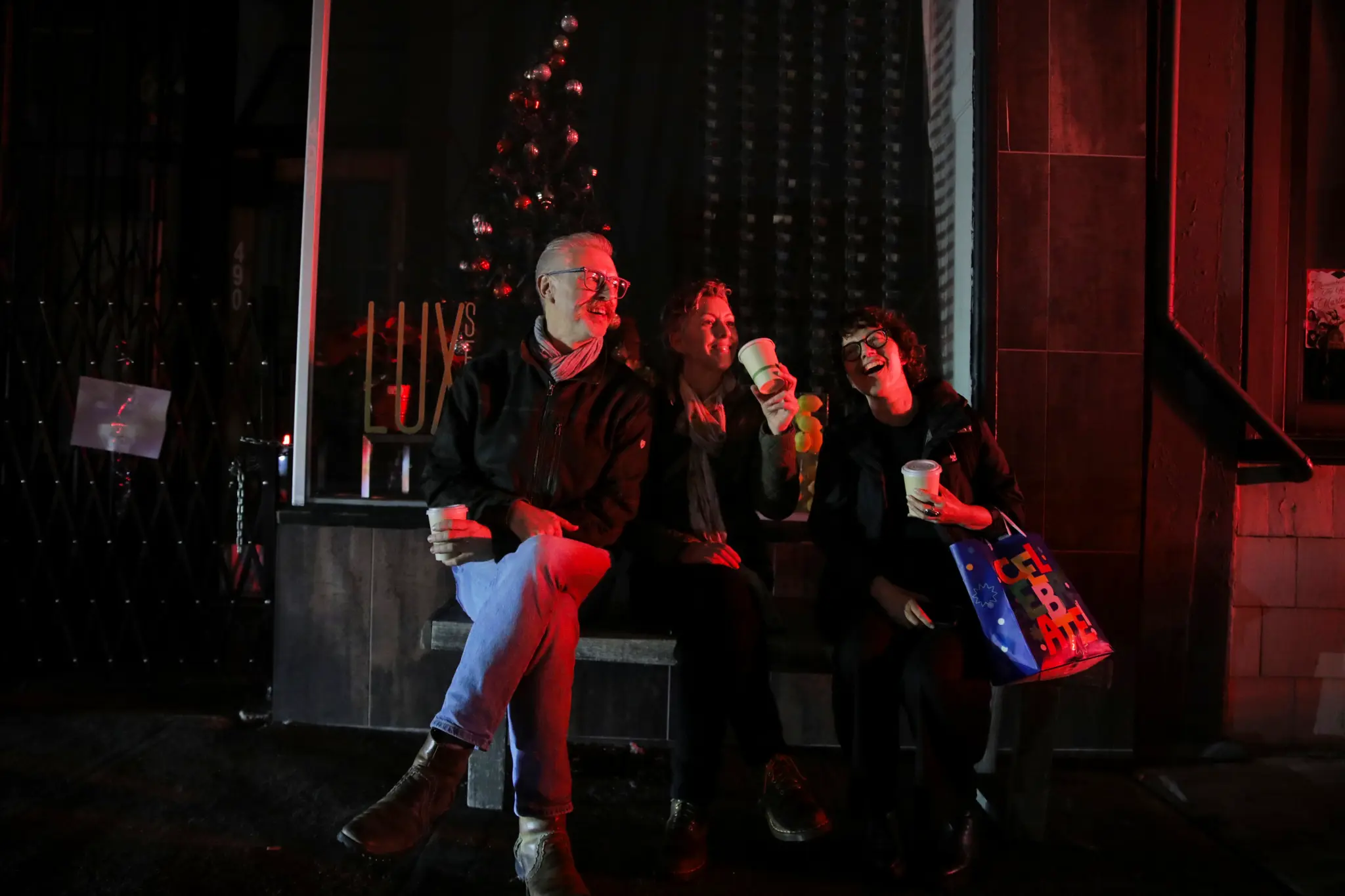
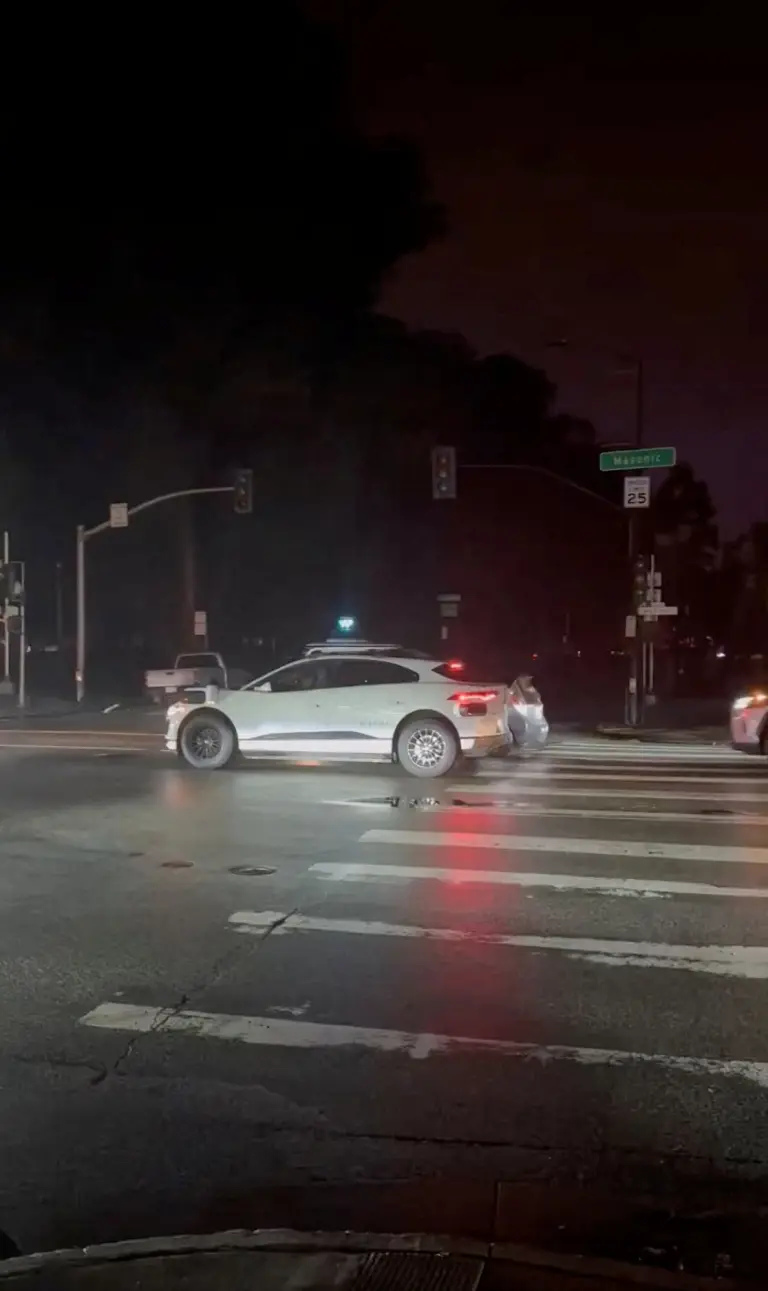
As the outage persisted, its impact became increasingly visible. Traffic lights at busy intersections stopped working, prompting police officers to step in and direct traffic manually. Public transportation systems reported delays, while ride-share prices surged as demand spiked.
Restaurants and coffee shops closed their doors or switched to cash-only service. Grocery stores rushed to protect refrigerated goods. Office workers were sent home early as computers and building systems shut down.
For residents working from home, the outage created immediate challenges. “Everything just stopped,” said one Mission District resident. “No Wi-Fi, no lights, no way to work. You don’t realise how fragile it all is until it’s gone.”
How Long Did It Last?
Power was gradually restored over several hours, with some neighbourhoods coming back online sooner than others. By Friday evening, most customers had electricity again, though a smaller number continued to experience intermittent issues into the night.
PG&E said full restoration depended on safely repairing the damaged equipment and testing the system before bringing it back online.
Officials did not immediately say whether weather, equipment failure, or human error played the primary role in the outage, though early indications pointed to a technical malfunction rather than an external event.
Growing Frustration Among Residents
The blackout quickly sparked frustration and criticism, especially on social media, where residents questioned how a major U.S. city could lose power so suddenly and so completely.
“This is 2025,” one user wrote. “How does an entire city still go dark like this?”
Others pointed to past outages and wildfires linked to power infrastructure, arguing that California utilities have struggled for years to modernise their systems while keeping rates affordable.
For some residents, the outage revived long-standing concerns about whether the region’s grid can handle growing demand, extreme weather, and ageing equipment all at once.
Officials Promise Answers
City officials acknowledged the disruption and said they were working closely with PG&E to determine what caused the failure and how similar incidents can be prevented in the future.
San Francisco leaders emphasised the importance of infrastructure investment, noting that power outages can have serious consequences beyond inconvenience, including risks to public safety, hospitals, and vulnerable populations.
“This kind of outage affects everyone,” a city spokesperson said. “We need to understand exactly what happened and what steps are being taken to ensure reliability moving forward.”
A Broader Infrastructure Problem
Energy experts say San Francisco’s outage highlights a broader challenge facing cities across the United States. Many urban power grids were built decades ago and are now under strain from increased demand, climate pressures, and the push toward electrification.
Electric vehicles, data centres, and all-electric buildings are increasing the load on systems that were never designed to handle today’s usage levels. Without major upgrades, outages may become more frequent.
California, in particular, faces unique challenges due to wildfire risks, strict safety regulations, and the sheer size of its power network.
What Comes Next?
PG&E has said it will conduct a full review of the outage and share findings with regulators. The company has also encouraged customers to sign up for outage alerts and prepare emergency plans in case of future disruptions.
For residents, the blackout served as a wake-up call. Flashlights were dug out of drawers, backup batteries were charged, and conversations turned to preparedness.
“I’ve lived here for years, and outages still catch me off guard,” said one downtown resident. “You just assume the lights will stay on.”
A Reminder of Modern Vulnerability
While power has now been restored, the outage left a lasting impression. In a city known for innovation and technology, losing electricity even temporarily revealed how quickly modern life can grind to a halt.
As San Francisco looks ahead, the question remains whether enough is being done to strengthen infrastructure before the next unexpected blackout hits.
For now, residents are back online. But the memory of a darkened city and the uncertainty that came with it is unlikely to fade anytime soon.