Secret Epstein Grand Jury Transcripts To Finally Go Public, Judge Rules

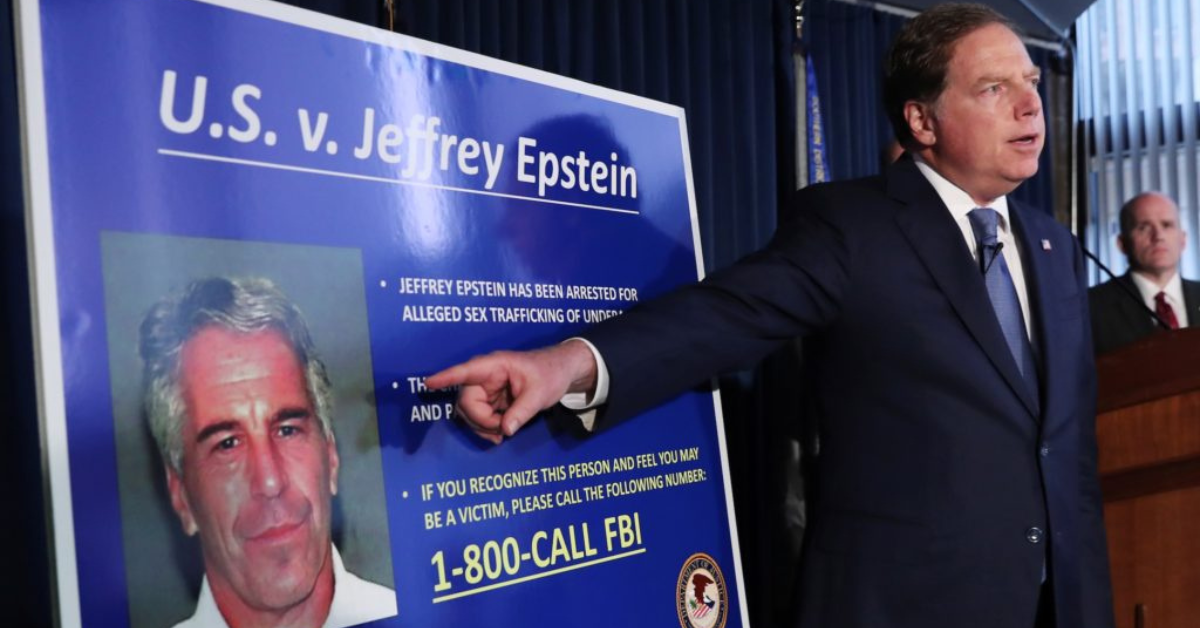
A Florida judge has cleared the way for the public release of long-sealed grand-jury transcripts from the abandoned 2005-2007 federal investigation into Epstein, after Congress overrode decades-old secrecy rules.
A federal judge in Florida, Rodney Smith, on December 5, 2025, granted the request by the US Department of Justice (DOJ) to unseal grand-jury transcripts and related records from the long-dormant federal investigation into Jeffrey Epstein’s alleged abuse of underage girls in Florida. This case concluded without any federal indictment. The ruling acknowledges that a newly enacted statute, the Epstein Files Transparency Act, overrides the decades-old judicial rule (Rule 6(e)) that kept grand-jury proceedings secret.
Judge Smith’s two-page order, therefore, marks a turning point, as after years of legal resistance and closed-door silence, some of the most sensitive internal documents from the investigation may become accessible to the public for the first time. The Department of Justice has until December 19, the statutory deadline, to begin releasing unclassified records related to Epstein and co-conspirator Ghislaine Maxwell, unless it opts to withhold certain files for national security or ongoing investigation concerns.
Questions Old, Shadows Long
The transcripts come from the 2005-2007 grand-jury probe in Florida, a case that, though once active, ended with no federal charges even as decades-long allegations and a controversial plea deal made headlines. The unsealing could reveal internal deliberations over who was interviewed, what evidence was considered, what leads were dropped, and perhaps why a potential indictment was never secured. For survivors, investigators, and the public, the records may shed light on long-standing mysteries surrounding prosecutorial decisions.
Given Epstein’s wealth, powerful connections, and the swirling controversies around his prior legal outcomes, many believe the transcripts could cast new light on names and networks that until now remained indefinitely sealed. If previously unknown witnesses, financial trails, or communications enter the public domain, the ripple effects may impact reputations, legal accountability, and the integrity of past plea bargains.
Transparency Law Overrules Secrecy Norms
At the heart of this release is the recently signed Epstein Files Transparency Act, a legislation passed in November 2025 by bipartisan vote and signed into law by the president. The law mandates that unclassified materials in possession of the DOJ related to Epstein and Maxwell should be made public in a searchable and downloadable format, unless legitimately withheld under narrow exceptions.
In his order, Judge Smith made clear that the new statute “trumps” Rule 6(e)’s prohibition on disclosure, thereby eliminating a primary legal barrier that for decades prevented grand-jury materials from seeing the light of day. The decision sent signals through the legal and political establishment: where public interest and legislative will converge, even the most entrenched secrecy regimes can be challenged.
Caution and Redactions Ahead
Although the judge’s order opens the door, the public may not see everything. The Justice Department retains the right, under the statute, to withhold files it deems sensitive to ongoing matters, national security, or witness safety. It also must manage redactions to protect the victim's privacy, particularly in a case involving minors. The timing of release remains unclear, while the statutory deadline looms, DOJ spokespeople have yet to provide a detailed timeline.
In addition, some legal experts caution that transcripts alone, without corroborating documents such as financial records, communications, or physical evidence, may not fully resolve lingering questions. Still, for many, this is a first step, i.e., a tranche of primary material that could renew scrutiny, drive journalism, and perhaps lay groundwork for accountability or fresh legal inquiries.
A Moment of Reckoning For Justice, History, and Survivors
For survivors, transparency advocates, journalists, and the public, the unsealing represents both a moment of reckoning and a test for institutions long accused of silence and obfuscation. It offers a chance for previously hidden testimony, internal debates, and prosecutorial reasoning to emerge under scrutiny, a reopening of public memory around a case that has haunted public discourse for decades.
If the released files show evidence of serious leads dismissed, pressure from powerful individuals, misjudgments in prosecution strategy, or withheld names, the revelations could stir demands for renewed investigations or legal action. At the very least, they could alter how the legacy of the Epstein era is understood, reshaping narratives of complicity, oversight, and accountability.
On the other hand, if the documents show the grand jury had little to act on, or that evidence was insufficient even then, the unsealing could reaffirm the difficulties of prosecuting such cases, but still add a layer of transparency and public trust that was long denied to victims.
The Transparency Act’s Bigger Ripples
The decision to unseal these transcripts may also mark a broader shift in how the US treats grand-jury secrecy, especially in high-profile, high-stakes cases. The Epstein Files Transparency Act may set a precedent for when crimes involve widespread public harm, high-ranking individuals, or systemic injustice; legislative bodies might override traditional confidentiality norms in favor of public disclosure.
This could have implications beyond the Epstein saga, including for past and future investigations into corruption, abuse, trafficking, and other matters where secrecy has shielded powerful interests. In that sense, the case stands not only as a reckoning with one man’s crimes, but as a turning point for institutional transparency in America’s justice system.
As the DOJ prepares to comb through decades of files and begin public releases, the world watches for what doesn’t get made public, how redactions are handled, and whether survivors’ voices remain protected or become collateral damage. The next weeks may shape not just the history of the Epstein case, but broader trust in the system’s ability to confront its darkest corners.