Tara Reid Hospitalised After Alleged Drink Tampering at Chicago Hotel

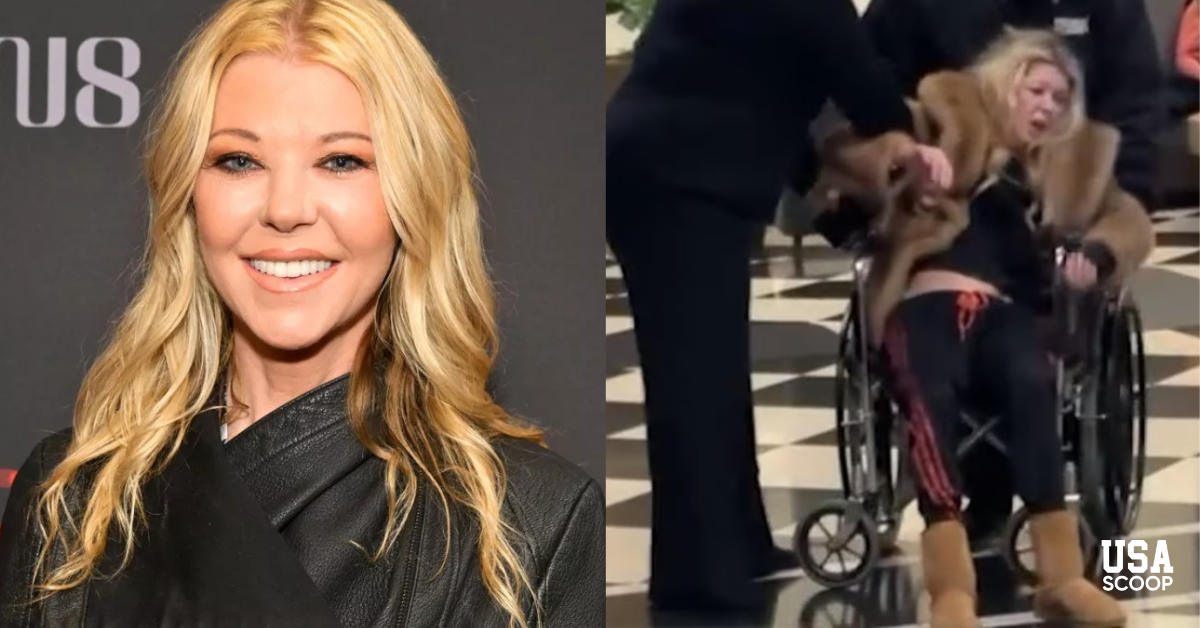
What began as a night out ended with Hollywood’s “American Pie” star claiming her drink was spiked, being removed on a stretcher, and sparking questions about hotel liability, guest safety, and the culture of drink vulnerability.
Tara Reid, aged 50, was taken to a local hospital after being found disoriented and later carried out on a stretcher from the lobby of a hotel in the Chicago suburb of Rosemont. The call to 911 came at 12:39 a.m. on 23 November 2025 for a sick person at the hotel’s lobby.
Video captured and published by TMZ showed Reid slurring her words, being assisted into a wheelchair, then later transferred onto a stretcher and moved through the lobby by three paramedics.
According to her representative, Reid believes her drink was tampered with at the hotel bar, and she has filed a police report. Still, the hotel’s local public-safety unit confirms only that an EMS call was logged and no police report has yet been registered.
The fact that such a high-profile actress experienced this episode in a seemingly controlled hotel environment raises a broader public-safety issue. It brings alive concerns about vigilance in hospitality venues and the obligations hotels have to protect guests from both misconduct and medical emergencies.
What She Says Happened
Reid’s account is precise in its troubling detail. After checking into the hotel on Saturday night, she went to the bar for a drink.
While there, she left the drink momentarily to smoke a cigarette in the lobby with a group of YouTubers. When she returned, she claims her drink was covered with a napkin she had not placed. Shortly after taking a sip, she lost consciousness and woke up eight hours later in a hospital, told, she says, by medical staff that she had been drugged.
Her representative released a statement saying that Reid is cooperating fully with the investigation, is recovering, and is requesting the public to watch their drinks and never leave them unattended.
This narrative invites multiple lines of inquiry, including the security protocols at the hotel bar, the chain of custody of the drink, whether sufficient surveillance and staff responsiveness were in place, as well as the promptness and transparency of the responding medical assistance.
Institutional and Hospitality Responsibility
The hotel in question is part of the national chain DoubleTree (suburban Rosemont location).
While the venue responded to a medical emergency, the broader question is whether the hotel’s preventive protocols around drink safety and guest monitoring held up under this incident.
According to the police spokesperson, only an EMS call was registered, and there is no public record of a hotel-led internal investigation or of a completed police report regarding the tampering allegation.
In hospitality management literature, guest safety encompasses not just physical security but also drink vigilance (especially in nightlife or bar settings).
A failure in that domain may lead to civil liability for the hotel. From a legal risk standpoint, the hotel’s duty of care may be scrutinised. If the claim of spiking is verified, the question will be whether the hotel staff or security were negligent in monitoring unattended drinks, failing to respond appropriately to visible distress, or lacking proper surveillance.
In practice, institutions often adopt standard operating procedures for the bar service, such as training staff to watch for signs of intoxication or tampering, camera coverage in service areas, and protocols for when a guest appears incapacitated.
Whether these standards were followed (or documented) in Reid’s case may become relevant in legal and reputational contexts.
Vulnerability and Public Narrative
That the person involved is Tara Reid amplifies the story in two ways. The public sees a recognisable figure, which heightens media attention and social-media commentary.
Further, it places a spotlight on celebrity vulnerability and institutional safety, shifting how the public perceives risk in nightlife and hospitality settings.
Reid has had recent public appearances and upcoming projects, making this incident both a personal health concern and a professional interruption.
Her representative stated that she is requesting privacy and is not planning further comment, yet the statement also explicitly calls for public vigilance around drink safety.
This dual message reflects the delicate balance of celebrity crisis management, encompassing personal recovery and public-interest warning.
Moreover, the video showing Reid slurring and struggling raises questions about how she was assisted by hotel staff.
The sight of a disoriented guest being helped into a wheelchair in the hotel lobby, followed by stretcher transport, is inherently footage that prompts scrutiny over whether the hotel was proactive or reactive, and if the delay between the initial distress and EMS arrival was significant.
Drink Tampering, Nightlife Safety and Institutional Oversight
While celebrity cases draw attention, the issue remains a persistent risk, particularly in crowded social settings, where guests may leave drinks unattended for a moment or distractions may be used by malicious actors.
Enhanced staff training, more visible surveillance, and swift medical response protocols are no longer optional for hotels and restaurants. With regards to urban safety, major hotel lobbies function as both hospitality and nightlife spaces, so the boundary between leisure and vulnerability often shifts in their case.
For Reid, the mix of a hotel bar, YouTubers filming, a large lobby group and a late-night drink created a setting that was high-risk and high-visibility simultaneously.
Institutional oversight also comes into play, as the Rosemont public-safety spokesperson confirmed the EMS call but said no formal report of tampering has been filed yet.
Policymakers and hospitality regulators may now revisit standards for recording, investigating and public reporting such incidents, particularly when liquor service is involved in hotel venues. The public health dimension, including potential drugging, incapacitation and vulnerability, converges with hospitality, crime-prevention and consumer-protection frameworks.
Investigation, Accountability and Prevention
The immediate next steps in the incident involve several key threads. A full toxicology report of what substance (if any) was in Reid’s drink, how quickly she was incapacitated, and how that aligns with her account of one drink followed by eight hours of memory gap.
Reid has publicly claimed the hospital told her she was drugged.
Moreover, a police investigation, whether the local Rosemont police file a formal report, whether the hotel cooperates with law enforcement (such as surveillance footage and staff statements), and whether any third parties are identified in relation to the incident are also issues that need to be watched out for.
From a reputational perspective, hotel and bar managers will watch this case closely, as a celebrity incident on a hotel property can trigger surges of negative media coverage and drive regulatory scrutiny. With regards to the guests, the take-home is vivid, i.e. unattended drinks, late-night bar settings, social media filming and large crowds can increase risk.
A Warning Shot for Hospitality Chains and Guests Alike
Tara Reid’s ordeal at a Chicago-area hotel is a microcosm of guest vulnerability in late-night hospitality settings and nightlife safety. The video of a well-known actress being wheeled out of a lobby on a stretcher forces us to consider how prepared hospitality venues really are when something goes wrong.
What happens next, investigations, toxicology reports, and hotel reviews, will determine whether this remains a one-off incident or sets a precedent for how hotels, bars and guests respond when night outs turn dangerous. The wheels of accountability are turning, and the question now is whether they turn swiftly enough.